Modern Life & Policies
A very young country, moving quickly
Uzbekistan has nearly 38 million people — the most of any country in Central Asia — and a median age of about 28. Roughly a third of the country is under fifteen. That demographic fact sits underneath almost every policy argument made here: how many schools, how many jobs, how much water.
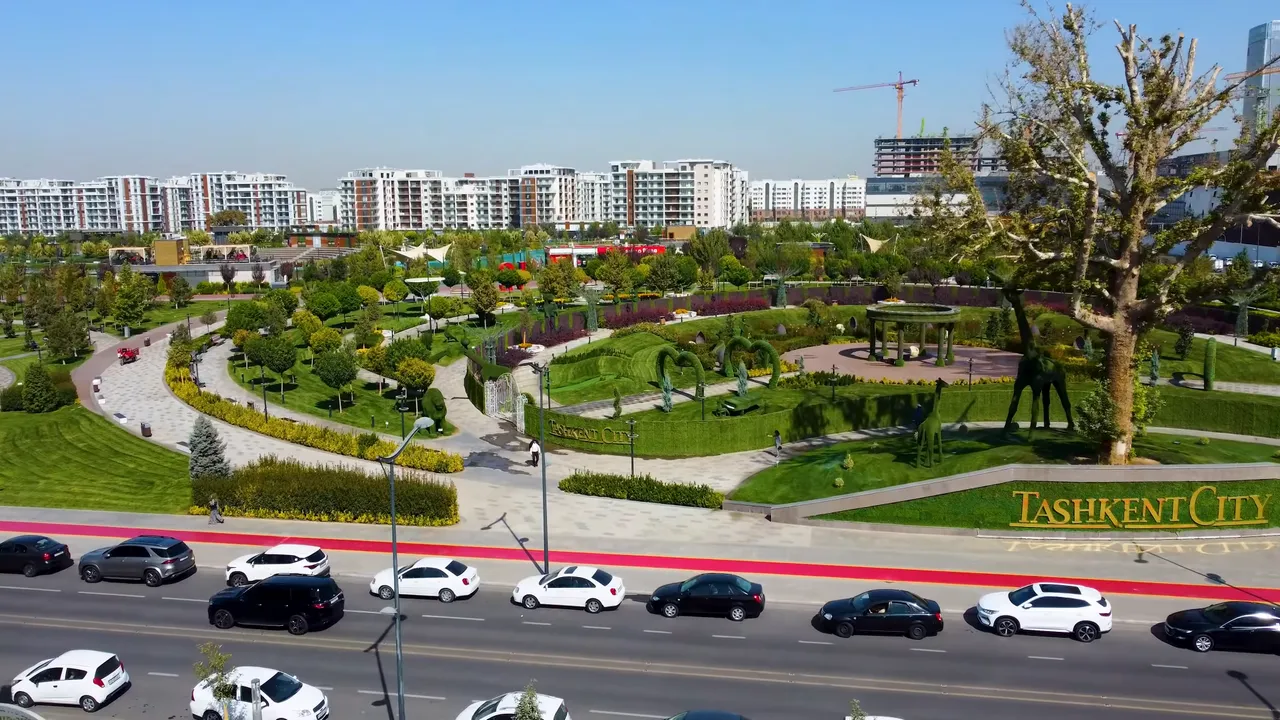
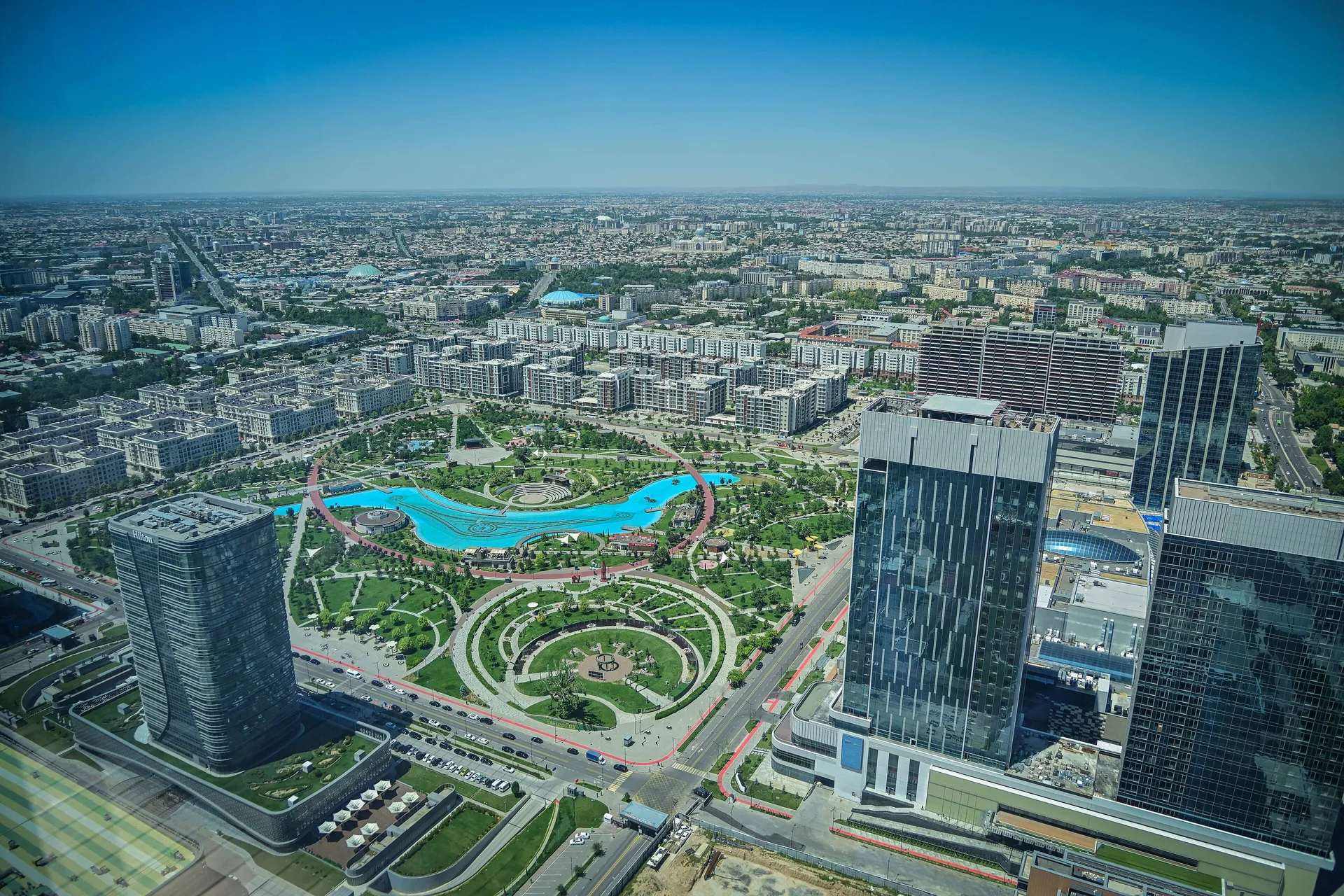
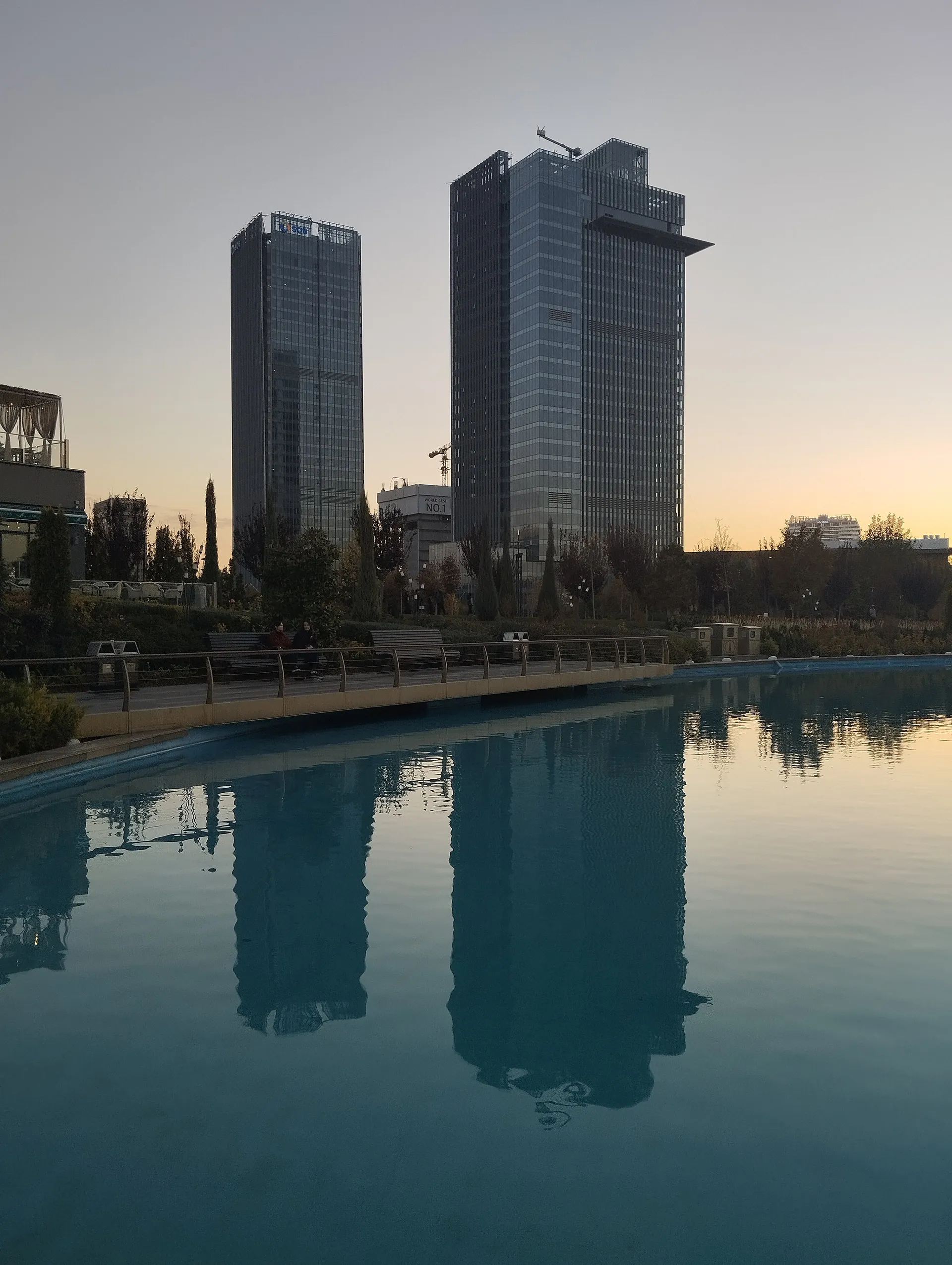
Tashkent City Park
What changed after 2016
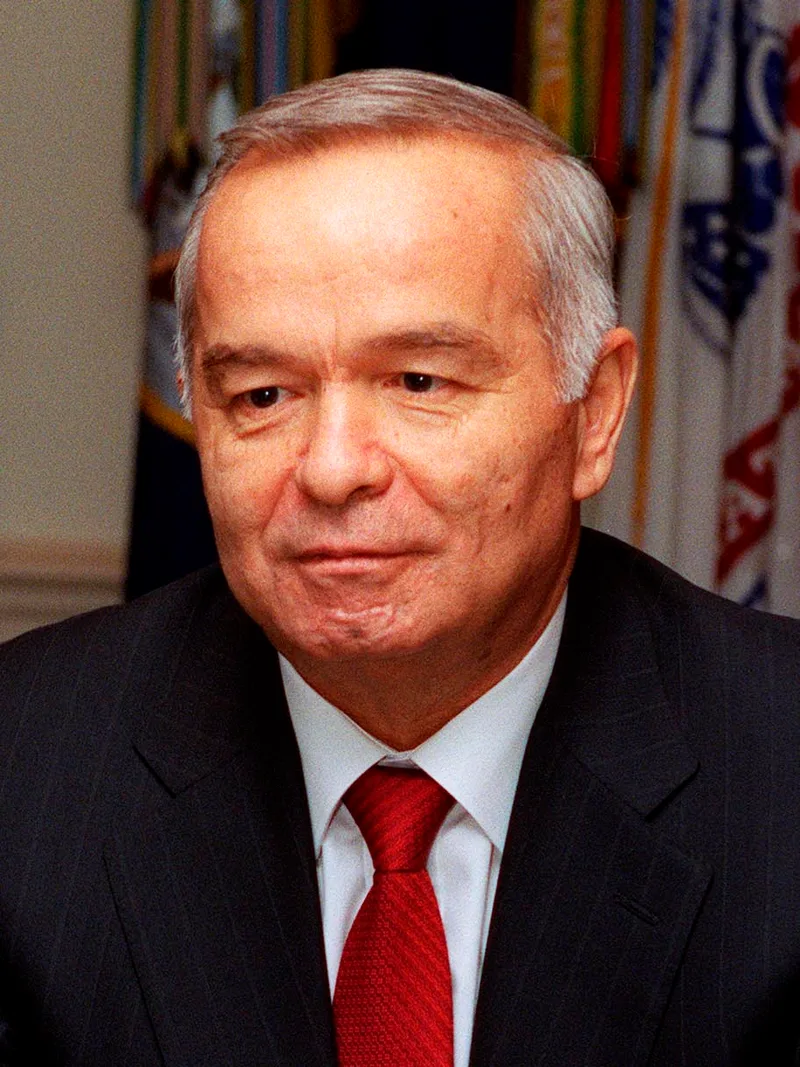
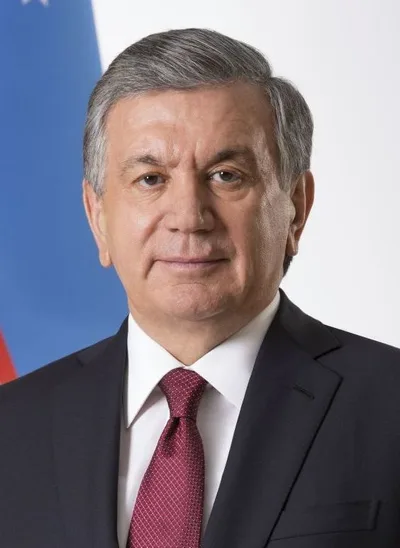
Islam Karimov died in September 2016 after twenty-seven years in power, and the pace of change since has been the defining fact of Uzbek public life. On 5 September 2017 the central bank floated the som, ending a dual exchange rate that had made ordinary trade a black-market exercise. Exit visas — the Soviet-era permit citizens needed to leave their own country — were abolished on 1 January 2019, making Uzbekistan the last post-Soviet state to drop them. Currency conversion was freed, thousands of people were removed from religious watch-lists, and the state began publishing statistics it had previously withheld.
Cotton, and the end of a boycott
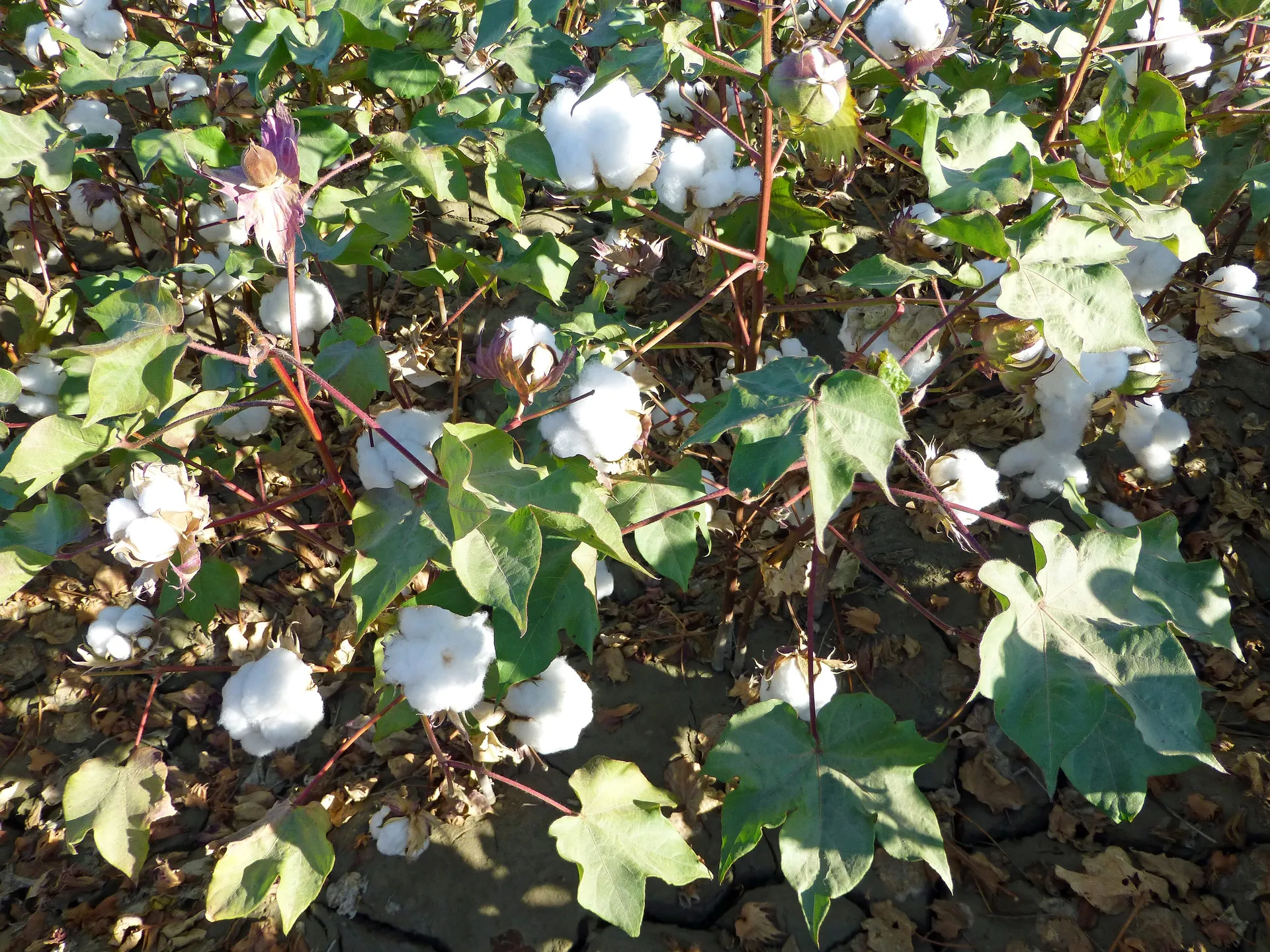
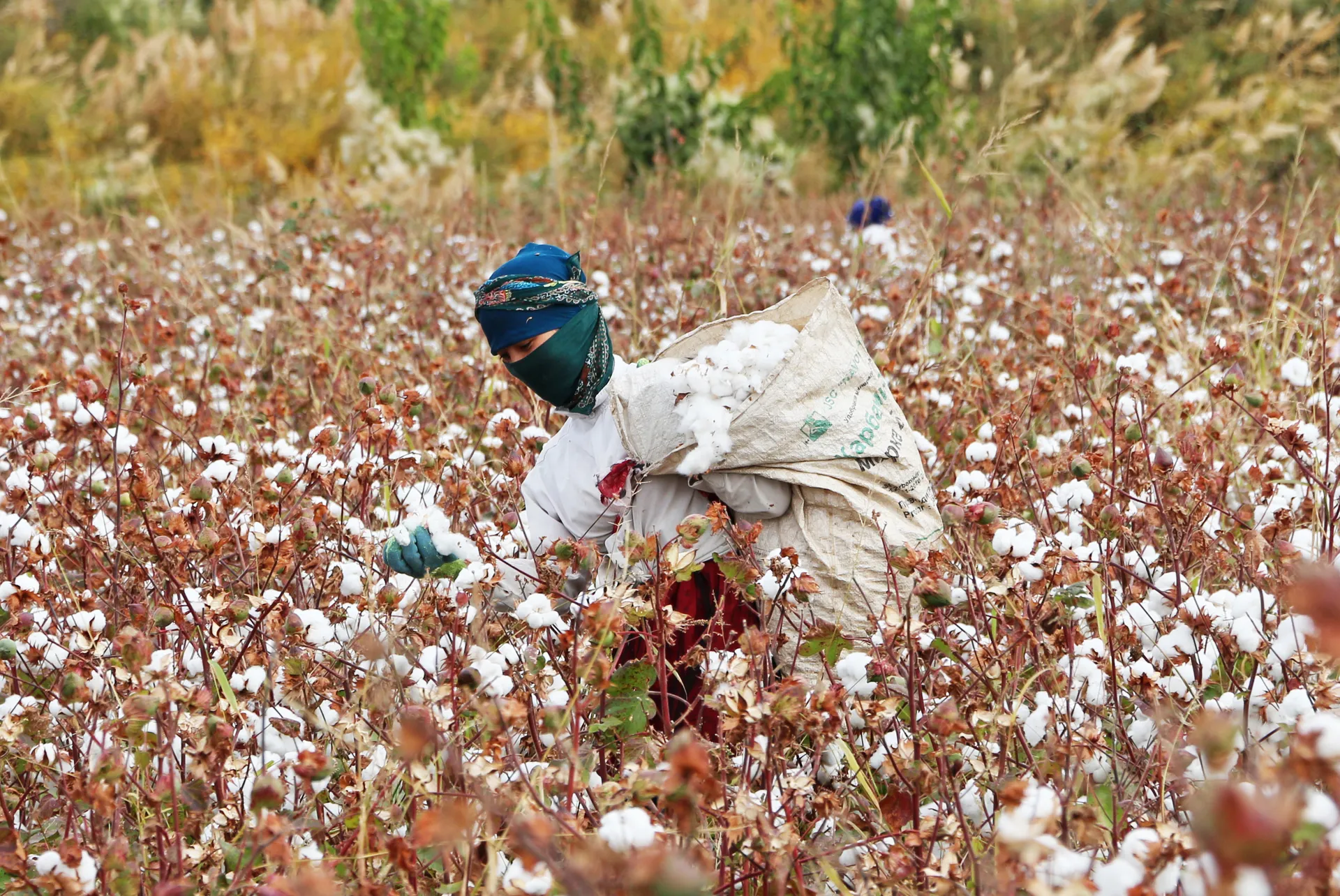
For decades the cotton harvest was brought in partly by mobilised students, teachers and public employees, and in 2011 an international coalition of brands — eventually 331 of them — declared a boycott of Uzbek cotton. The dismantling took a decade of monitoring by the International Labour Organization. The ILO's report on the 2021 harvest concluded that systemic forced labour and child labour had been eradicated, and on 10 March 2022 the Cotton Campaign lifted the boycott. Independent monitors still record isolated cases of local officials coercing workers, so the story is one of a system ended rather than a problem entirely closed.
Cities, work and the internet
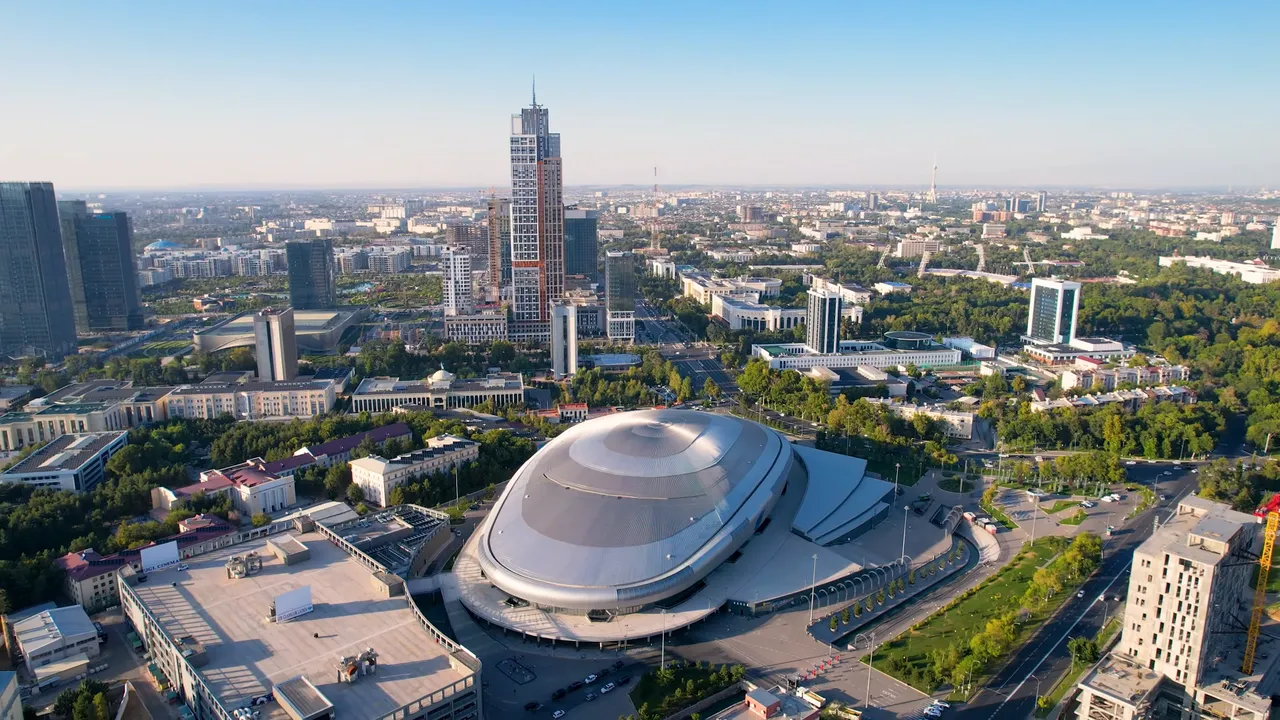
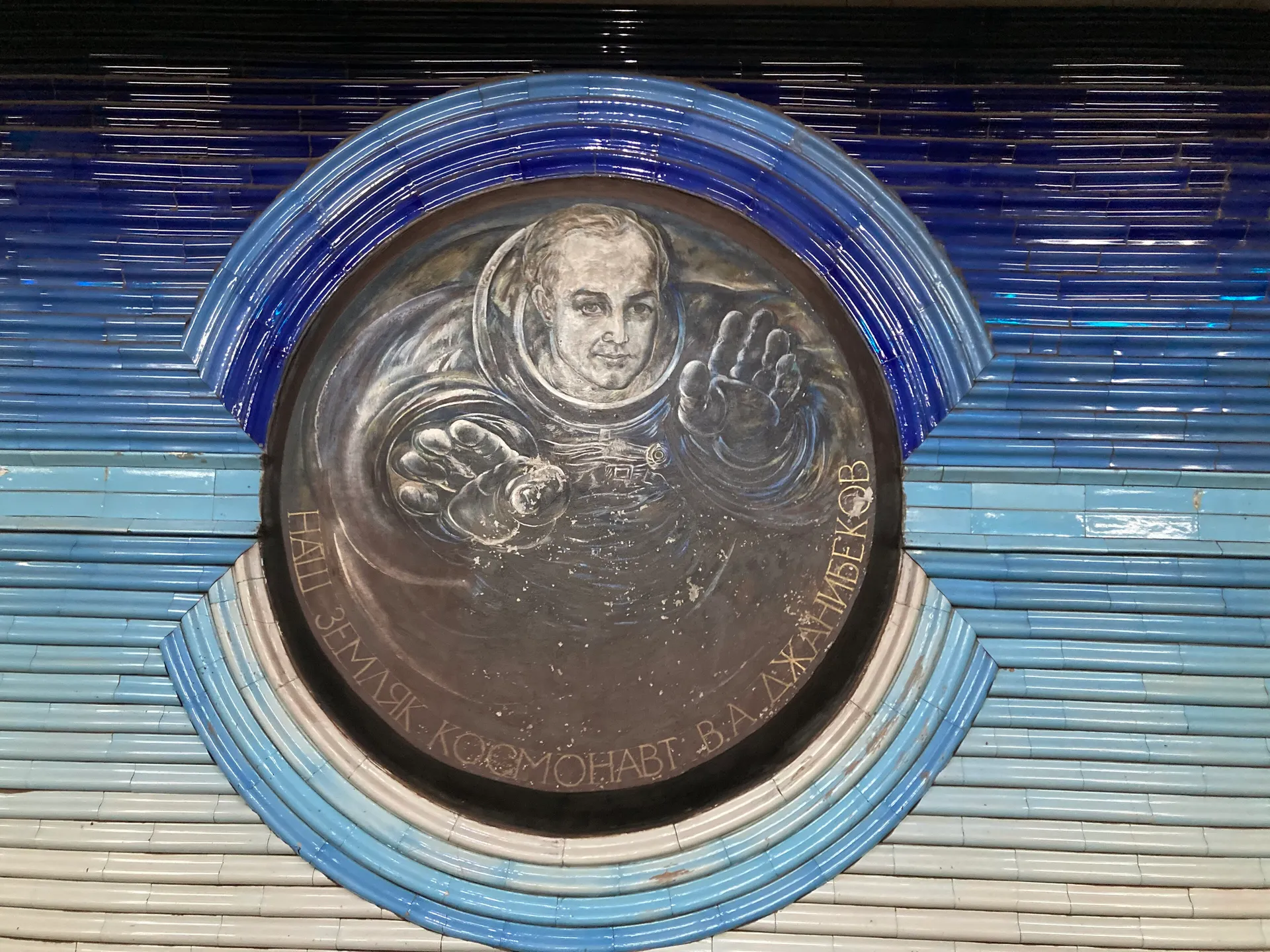
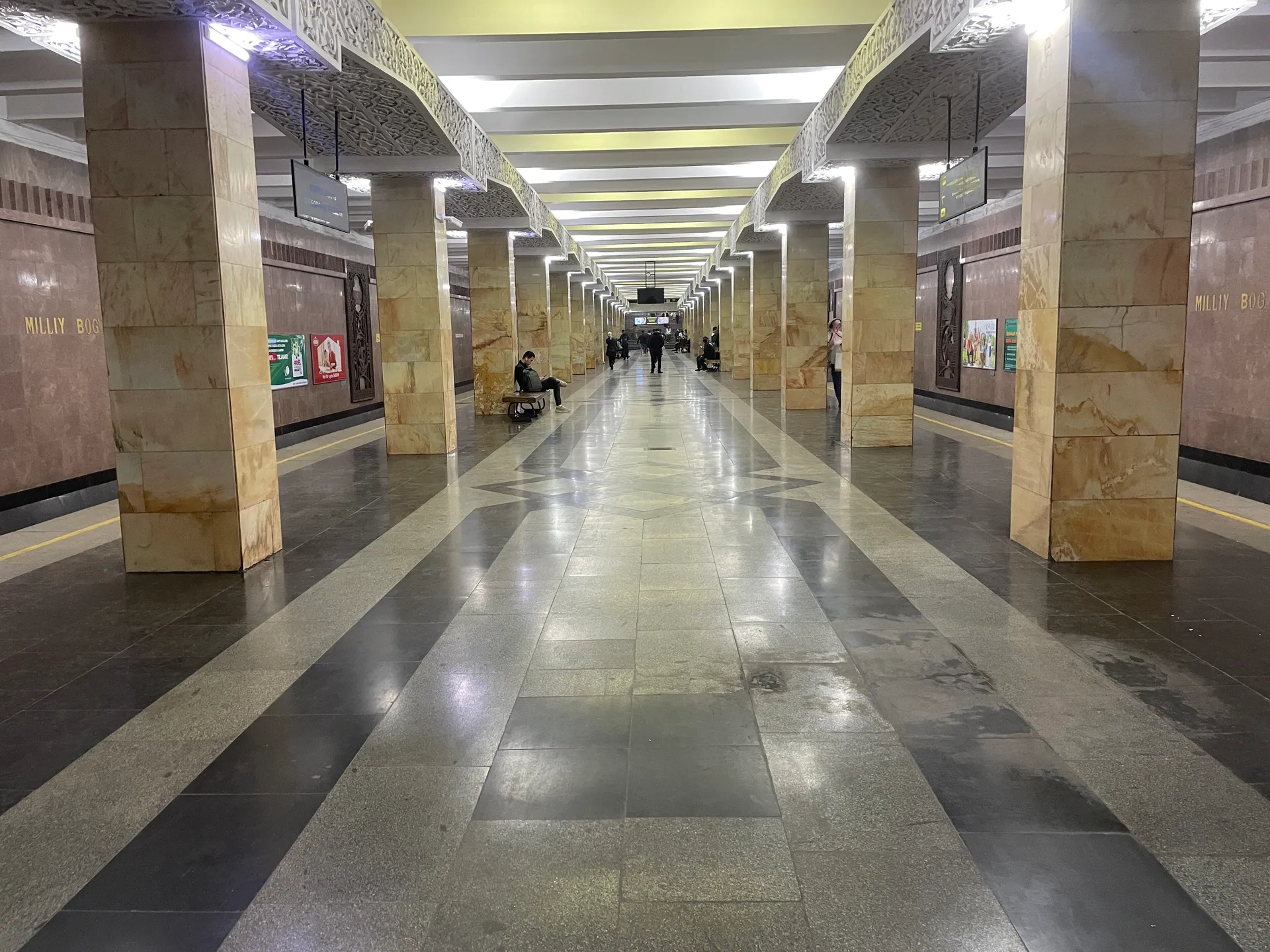
Tashkent is building upward for the first time, and its metro — where photography was forbidden until 2018 because the stations were classed as strategic infrastructure — has gained new lines and an elevated ring. IT Park Uzbekistan offers software firms a low flat tax and has pulled a large share of young graduates into export services; Tashkent now has a visible startup and outsourcing scene that did not exist a decade ago. At the same time labour migration remains central to household economics: millions work abroad, mostly in Russia, and remittances are a significant share of income outside the capital — which also makes the country sensitive to the Russian labour market.
Schools, universities and the mahalla
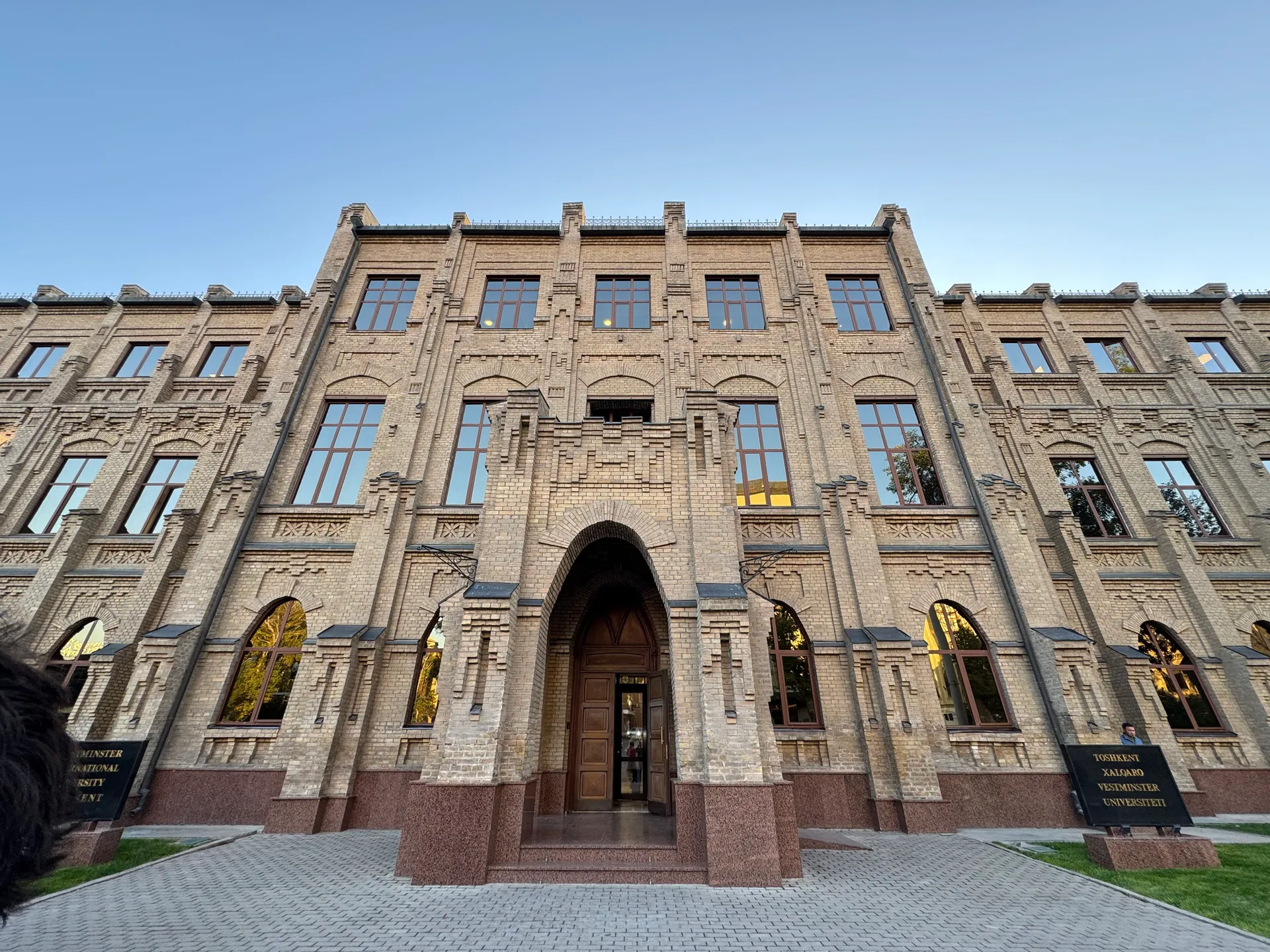
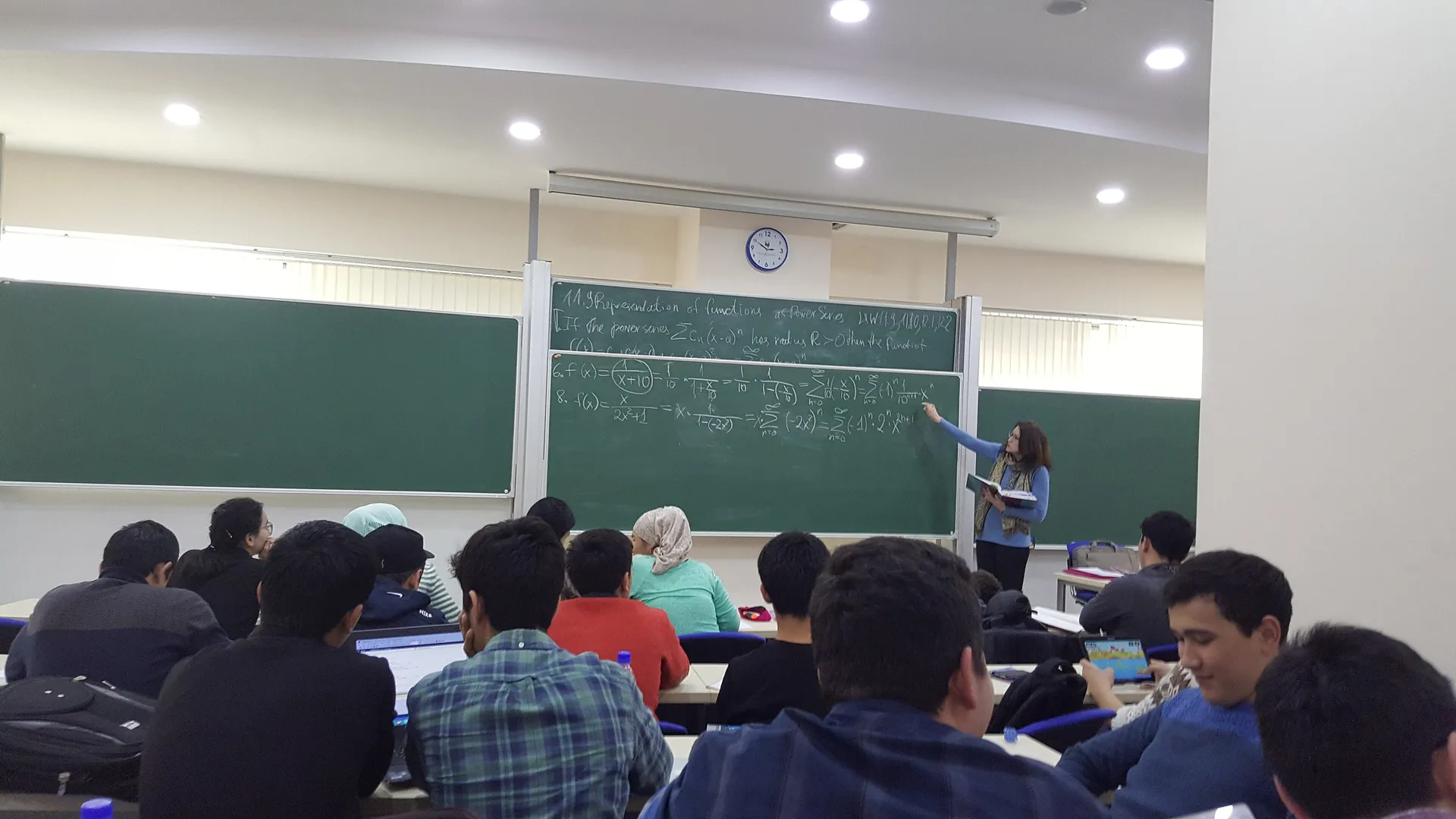
With a third of the population school-aged, education is the largest single line in the state's attention. Higher-education enrolment has risen several-fold since 2017 as new universities opened and foreign institutions were invited to run branch campuses in Tashkent — Westminster, Webster, Turin Polytechnic, Inha and others. Below the state sits the mahalla, a neighbourhood institution with no exact equivalent elsewhere: several hundred households with an elected chairman, which organises weddings and funerals, mediates disputes, distributes some welfare, and — more controversially — serves as the state's finest-grained administrative unit.
Opening to the neighbours
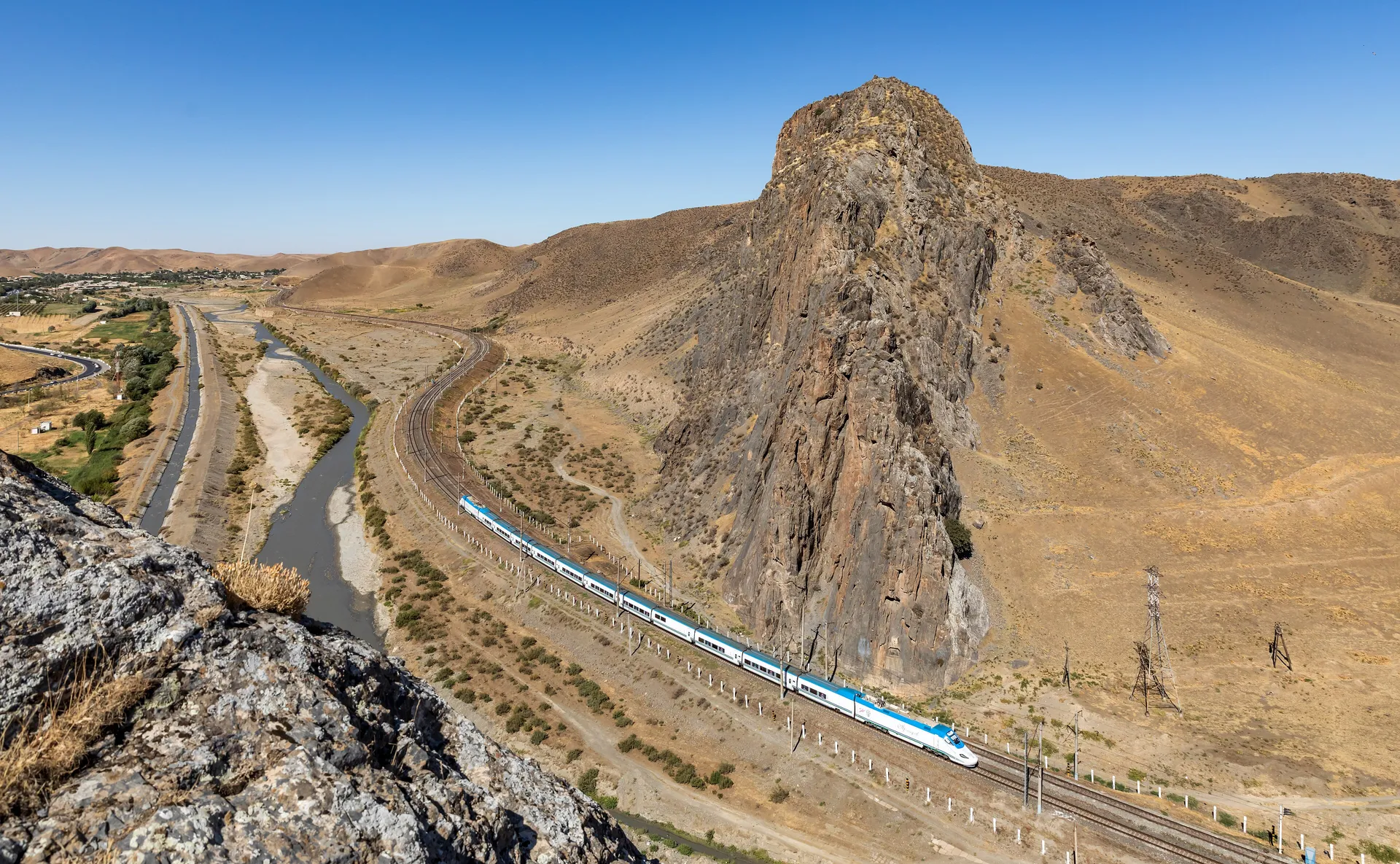
Central Asia spent the 1990s and 2000s with closed borders, mined frontiers and cancelled flights. Since 2017 Uzbekistan has reversed that deliberately: direct flights to Dushanbe resumed in 2018 after a gap of more than twenty years, border crossings reopened, and long-frozen demarcation disputes with Kyrgyzstan were settled. Regional summits now happen without an outside power convening them. The country is doubly landlocked — every export must cross at least two borders to reach a port — which makes neighbourly relations less a matter of sentiment than of arithmetic.
What is still hard
An honest account has to include the unfinished parts. Winter energy shortfalls have cut gas and electricity in cold snaps, most severely in January 2023. The Aral Sea will not return, and Karakalpakstan lives with the salt, dust and health consequences; proposed constitutional changes to the republic's status triggered protests in Nukus in July 2022 in which people were killed, after which the clauses were withdrawn. Press freedom remains restricted and political competition is limited. None of this cancels the reforms — but a country is described badly if only its brochure is read.
Highlights
- Nearly 38 million people — the most populous country in Central Asia — with a median age of about 28
- The som was floated on 5 September 2017, unifying the official and market exchange rates
- Exit visas were abolished on 1 January 2019; Uzbekistan was the last post-Soviet state to drop them
- The ILO found systemic forced and child labour eradicated in the 2021 cotton harvest; the boycott was lifted in March 2022
- Direct flights to Dushanbe resumed in 2018 after a break of more than twenty years
- The country is doubly landlocked: every export crosses at least two borders to reach a port