This land has been inhabited, contested and rebuilt without interruption for more than two and a half thousand years. Almost every empire that mattered in Eurasia passed through it — and most of them left something behind.
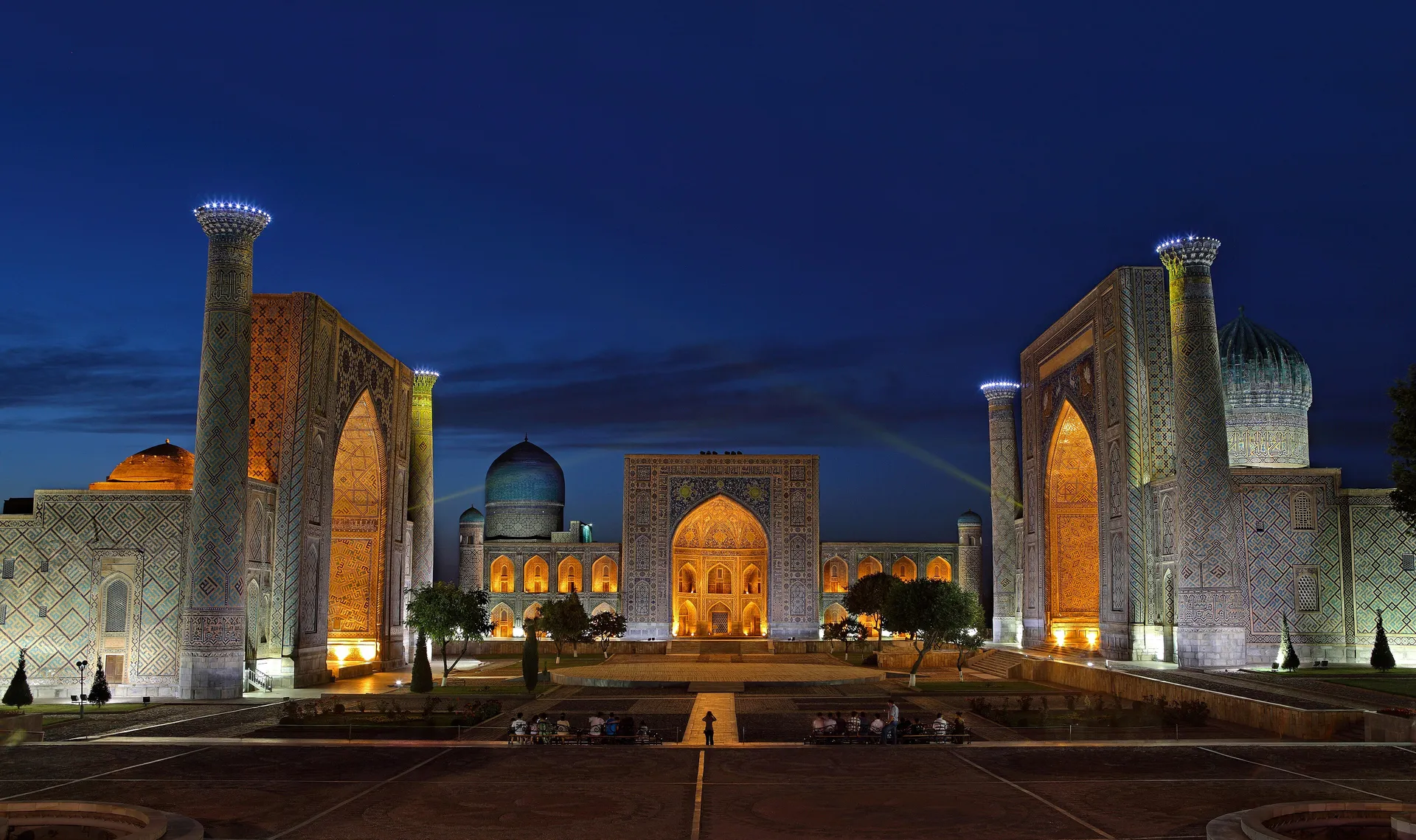
The Registan at night
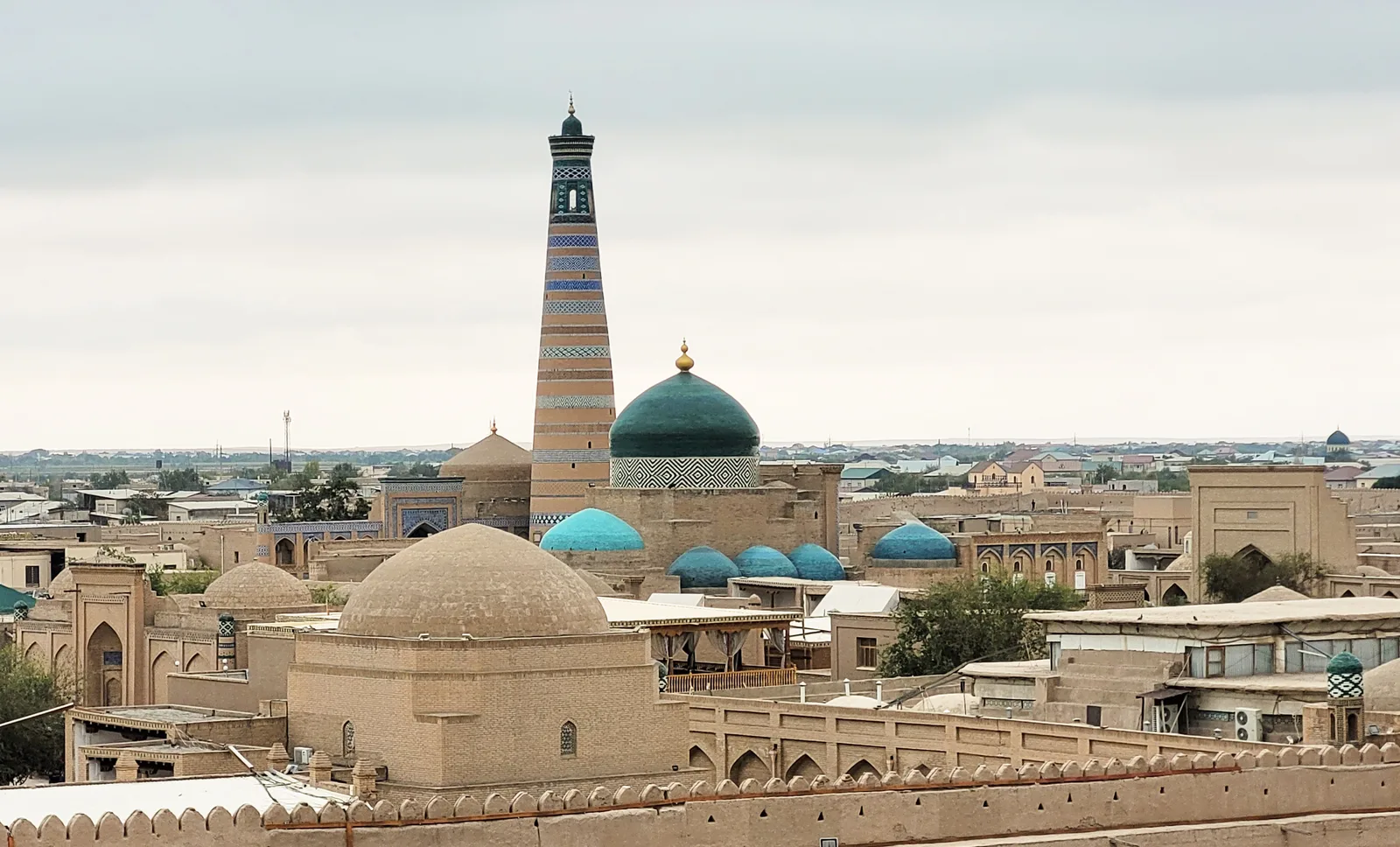
Khiva from the walls
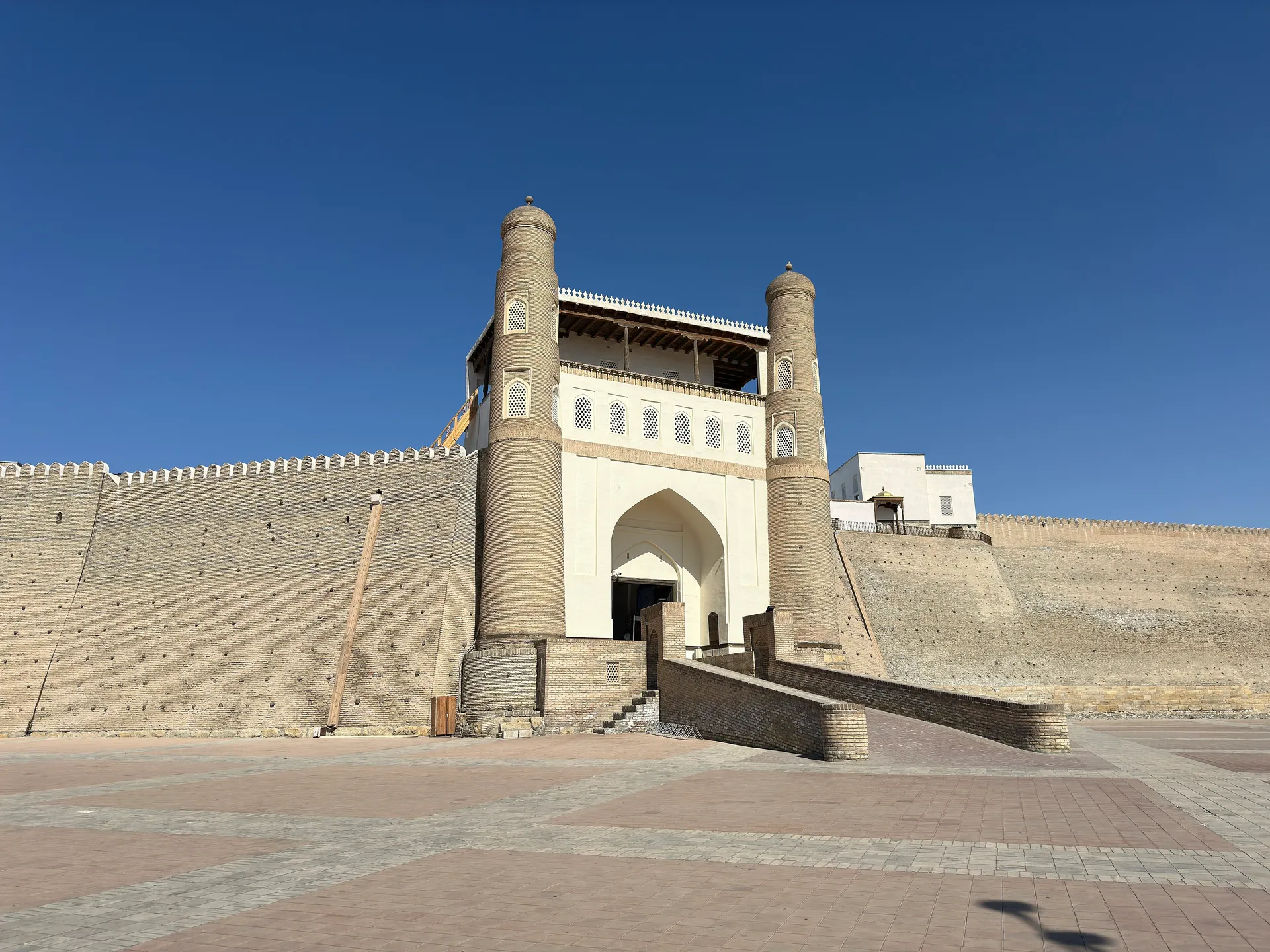
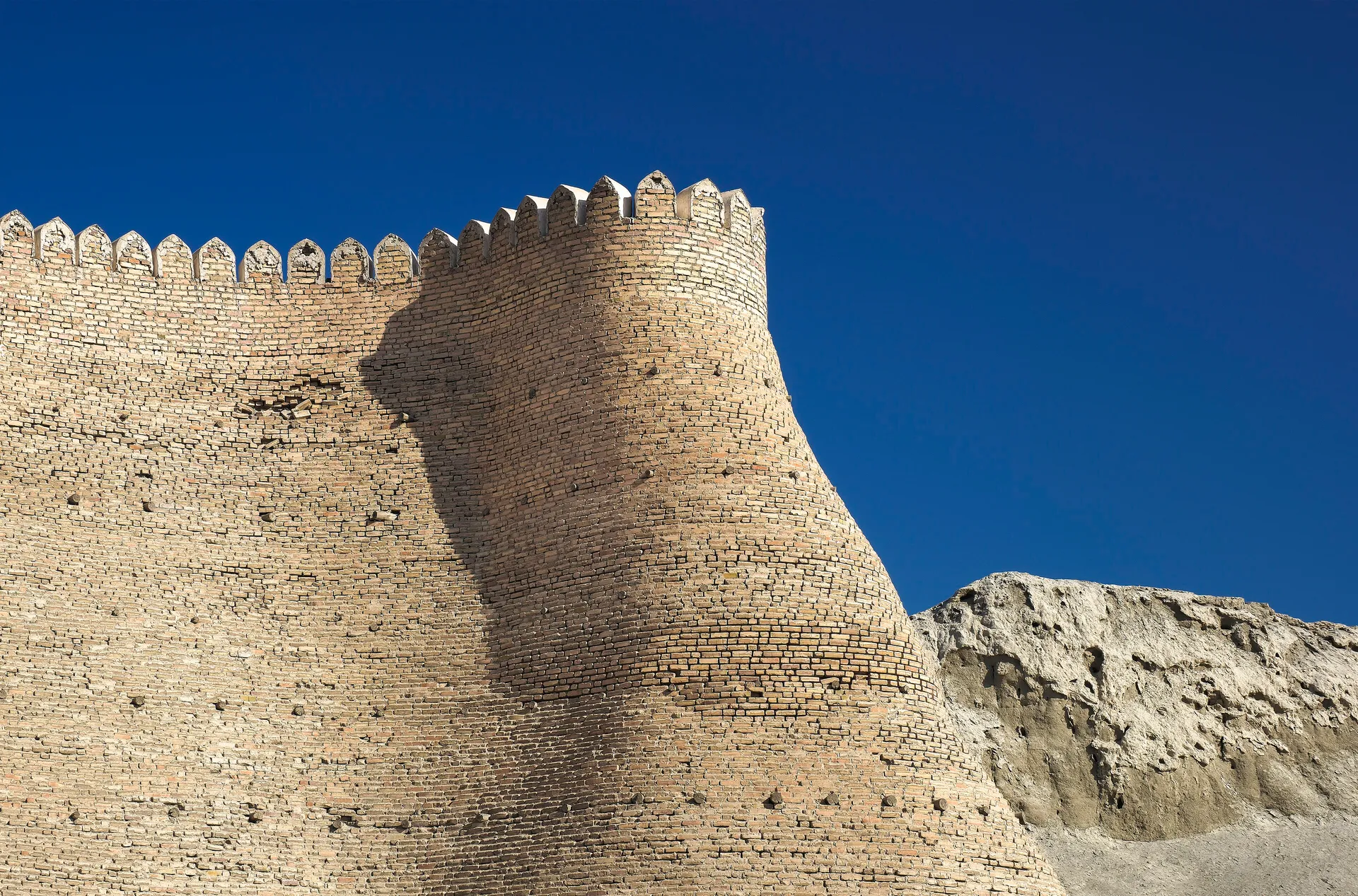
The Ark of Bukhara
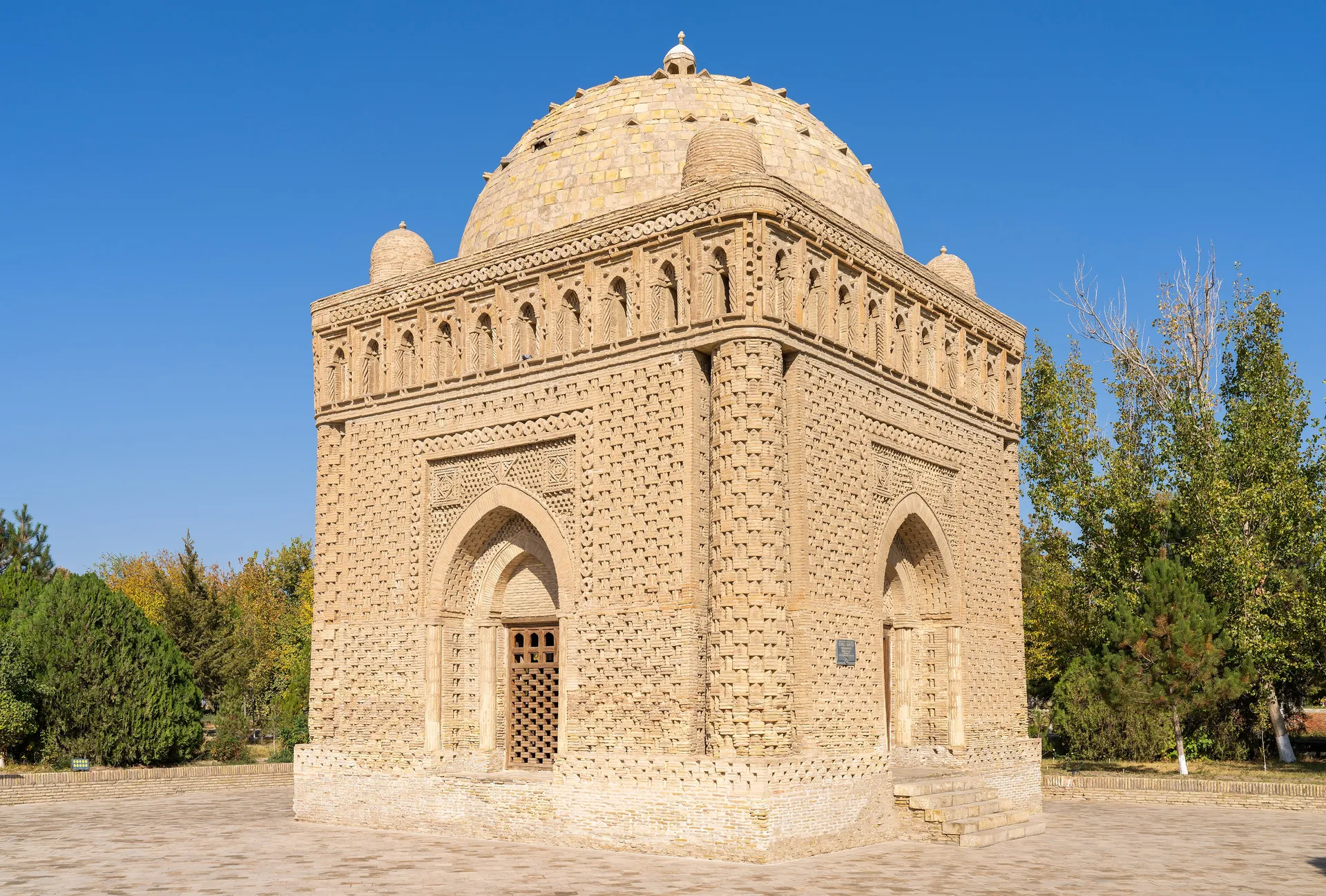
The Samanid Mausoleum
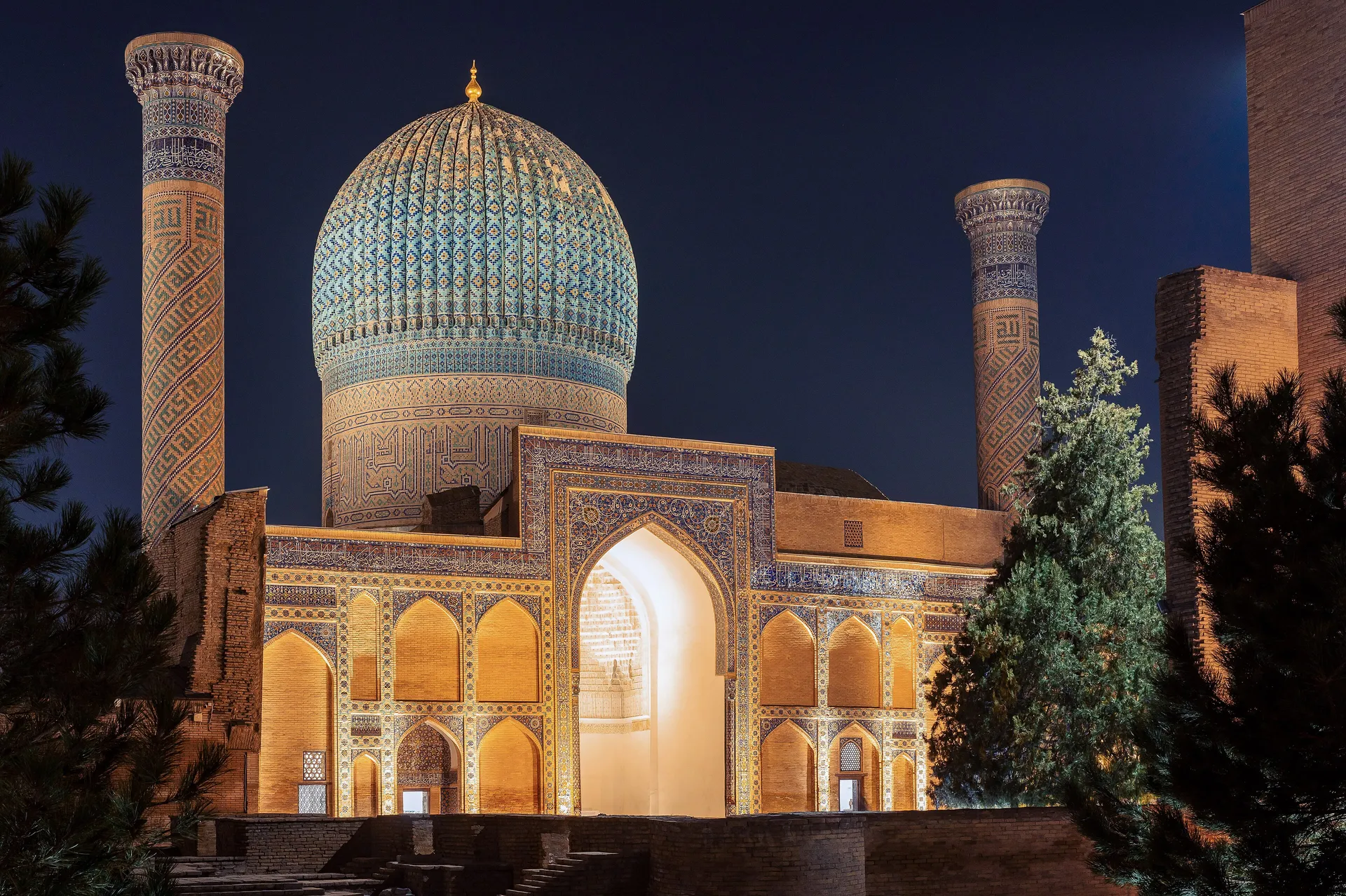
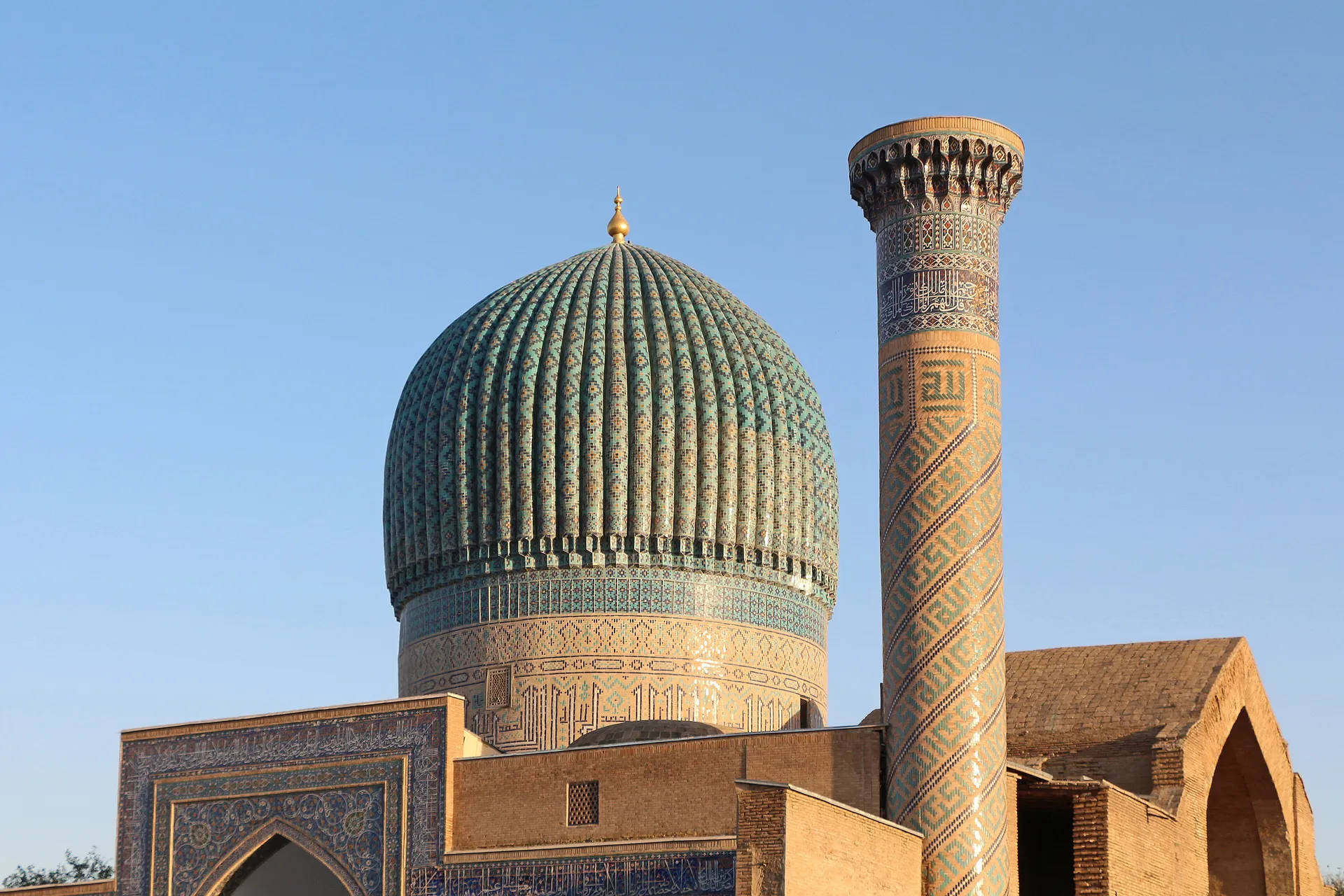
Gur-e Amir by night
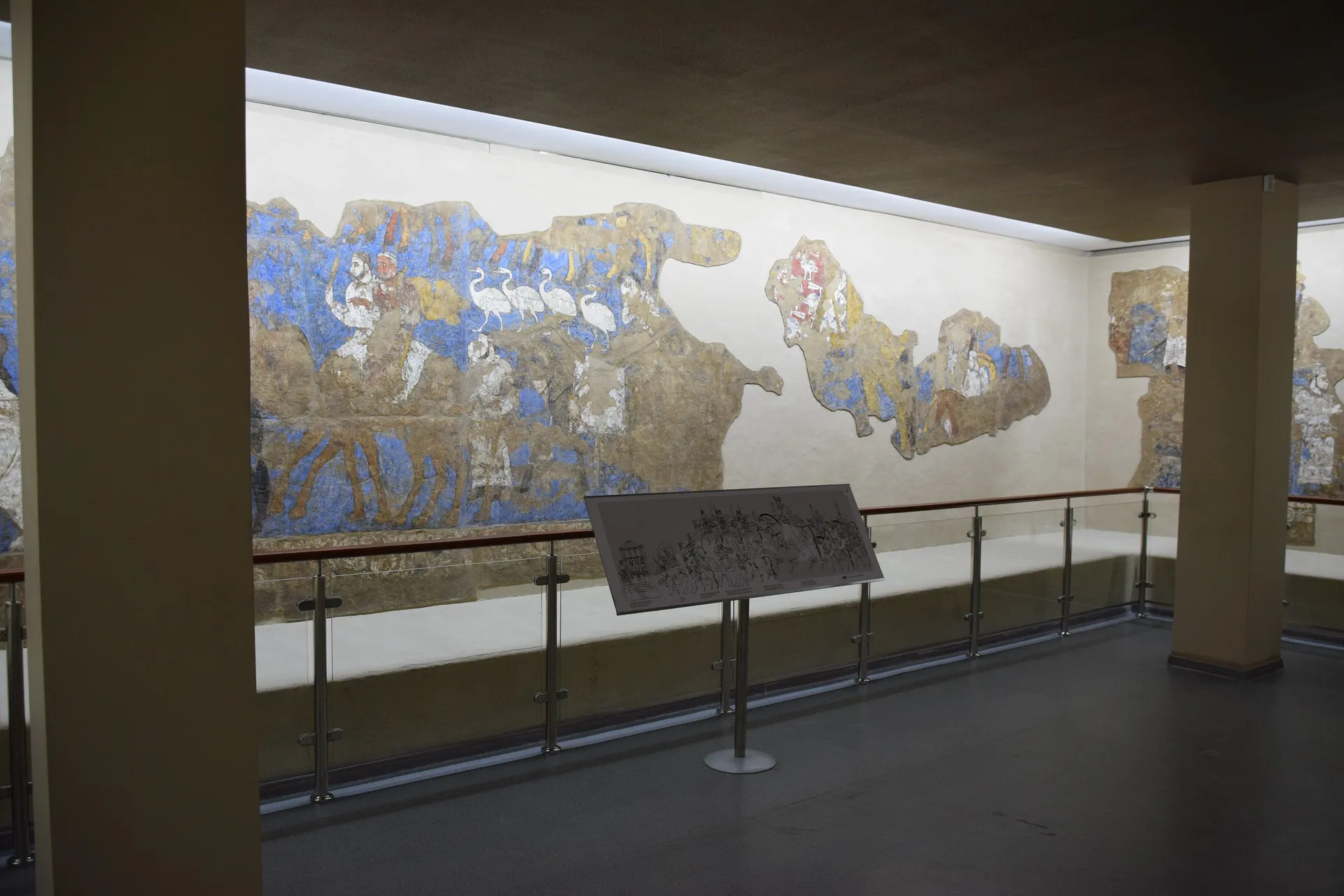
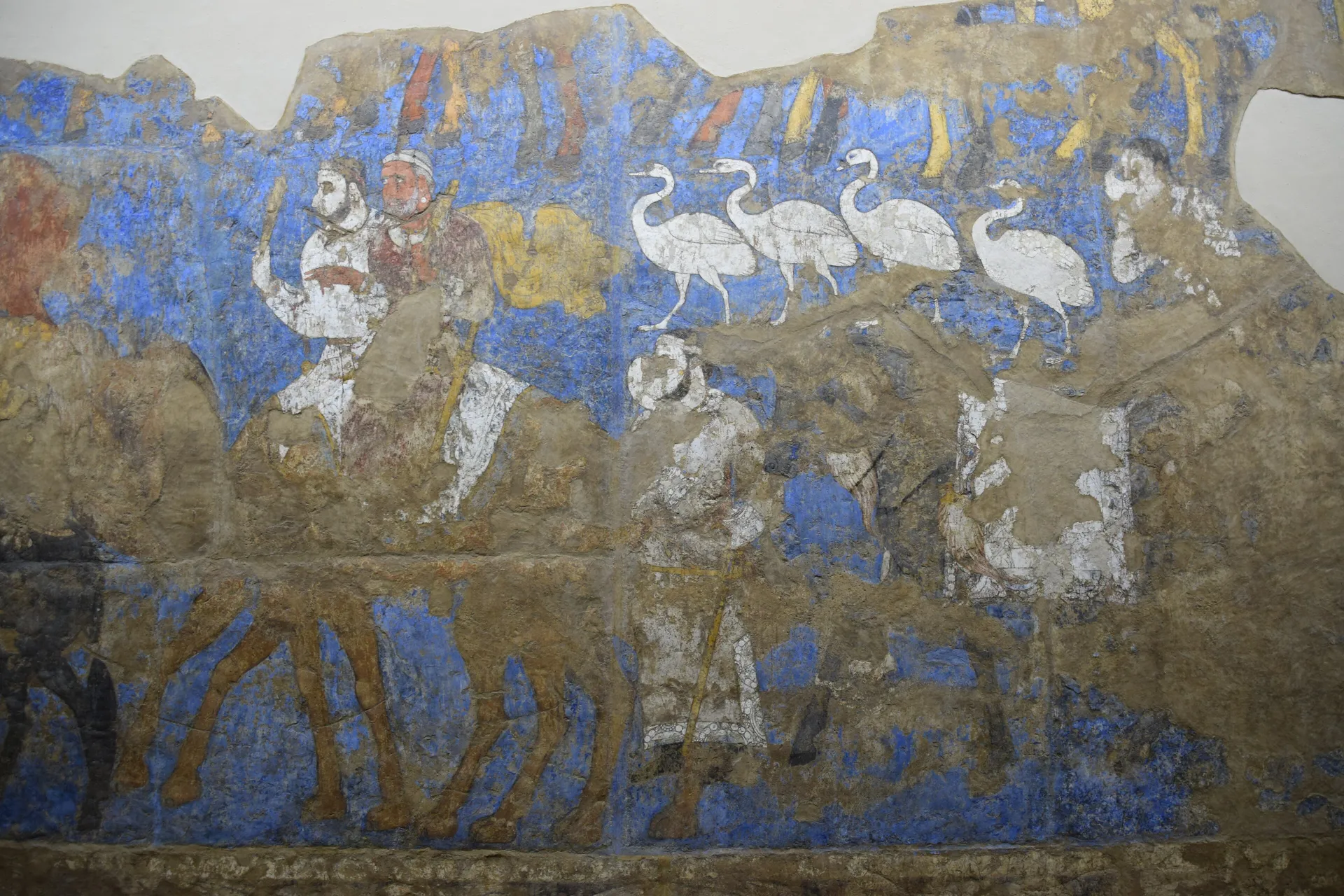
The Afrasiyab murals
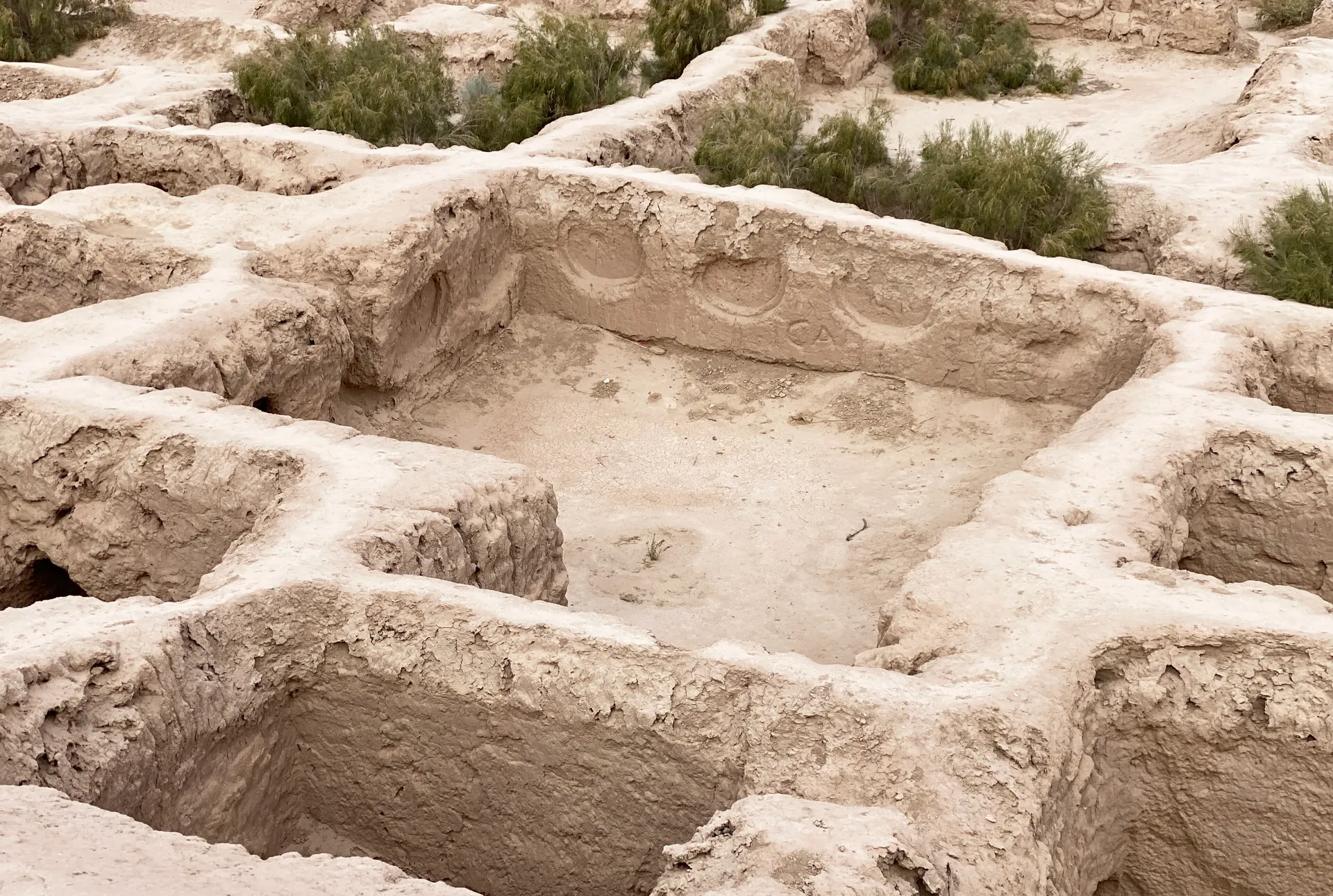
Toprak Kala
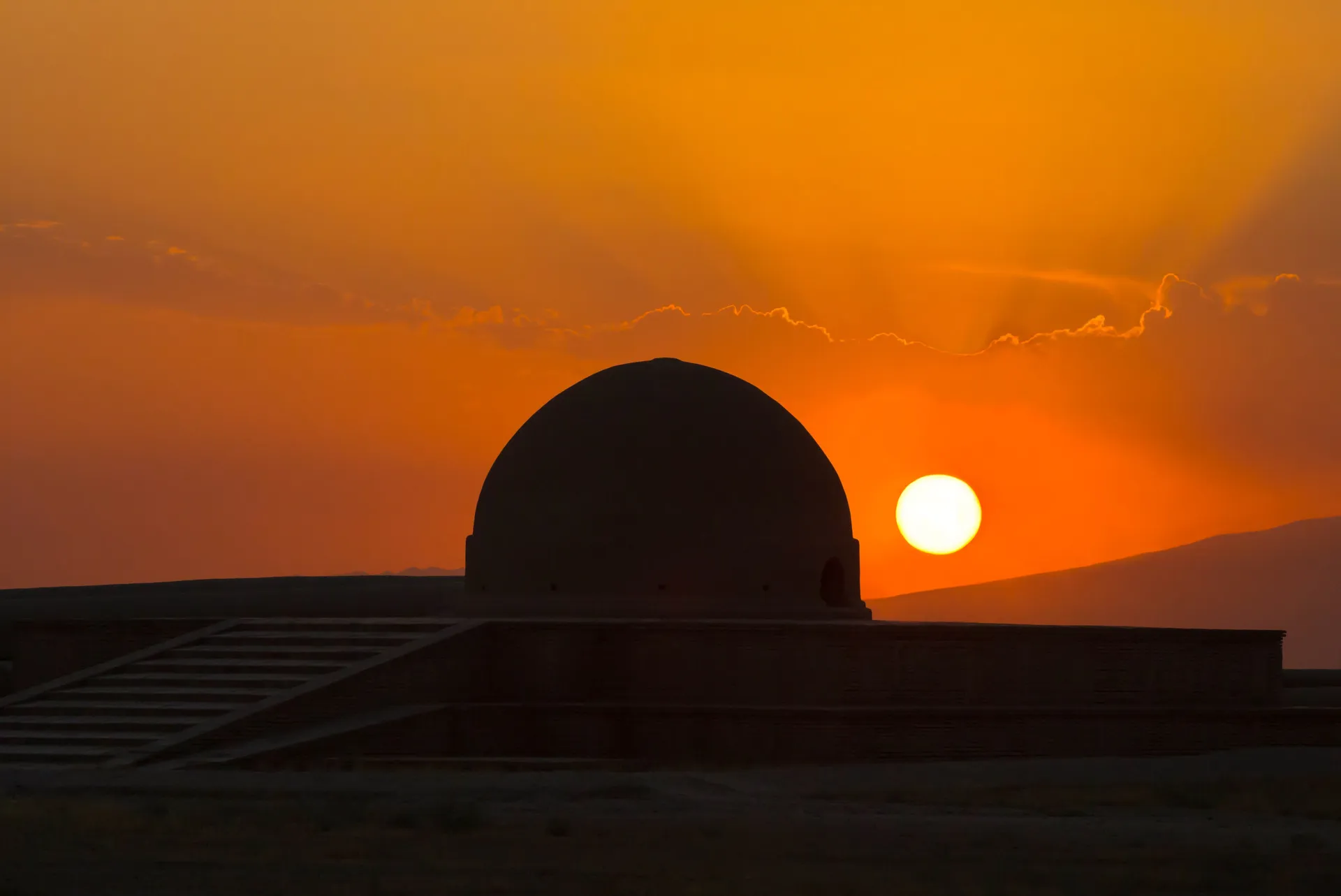
Fayaz Tepe at sunset
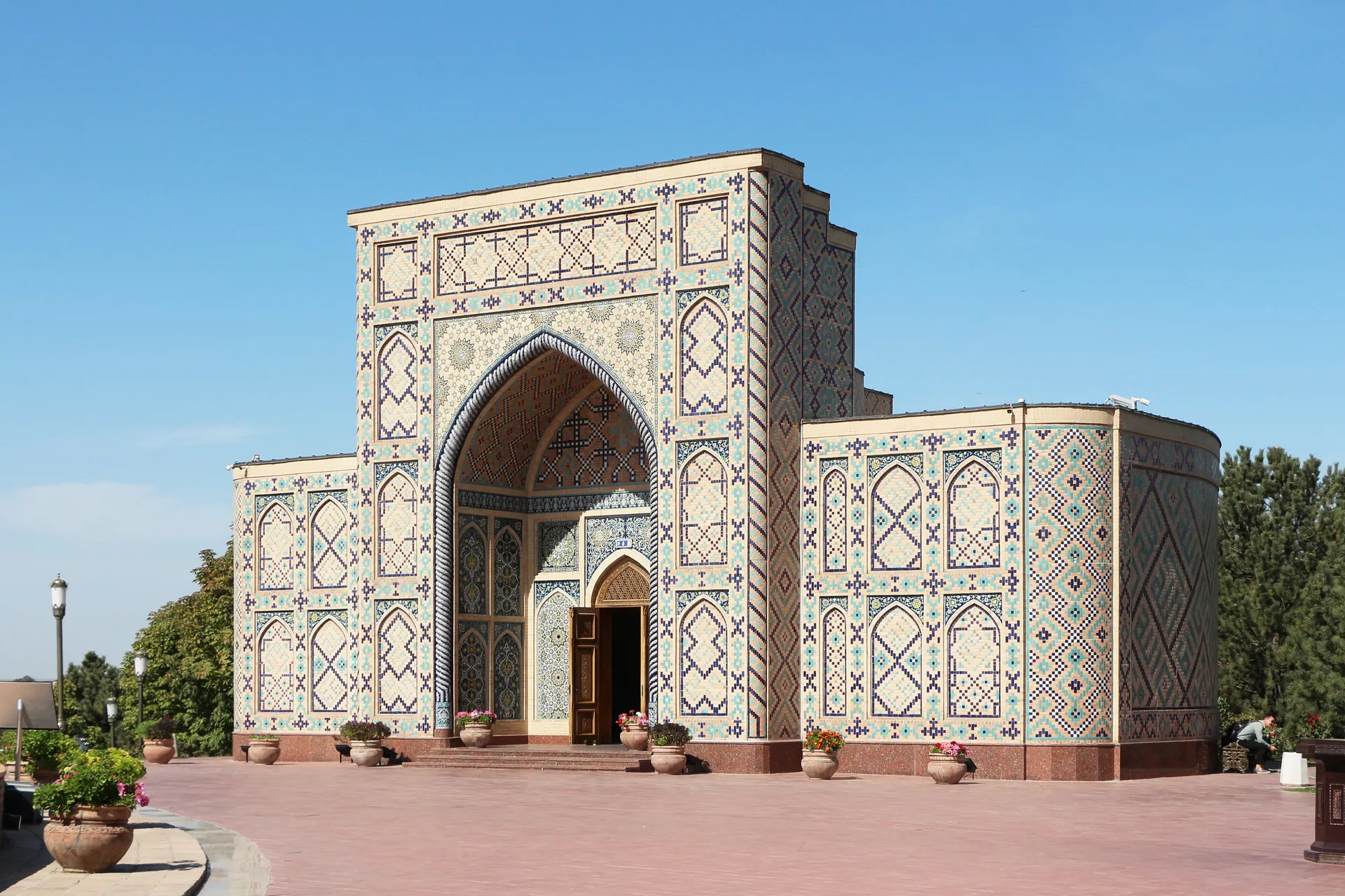
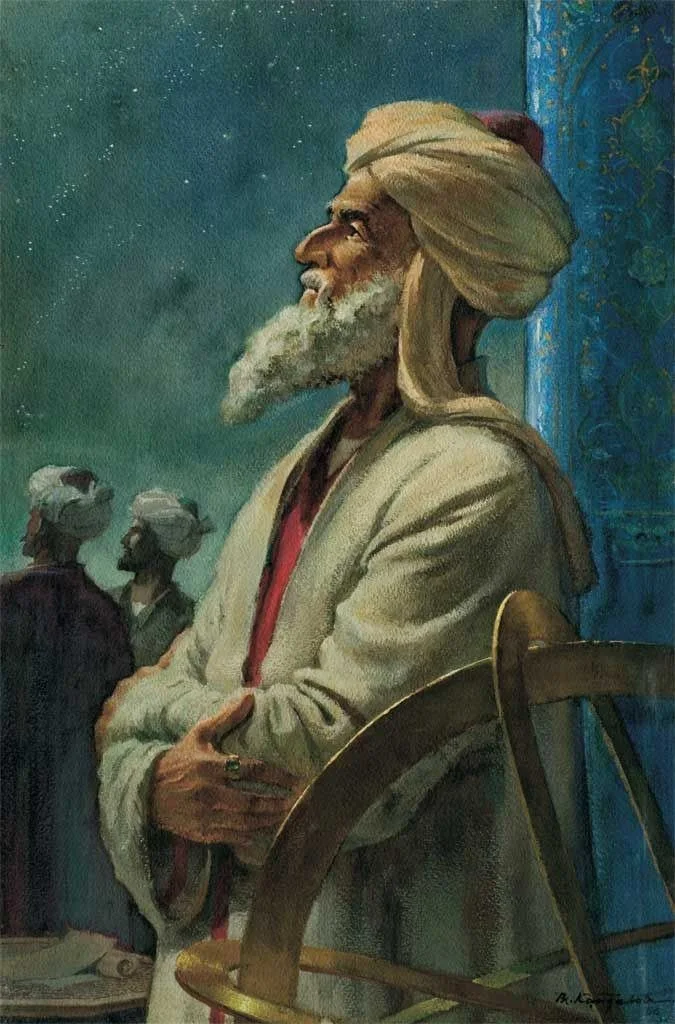
Ulugbek's Observatory
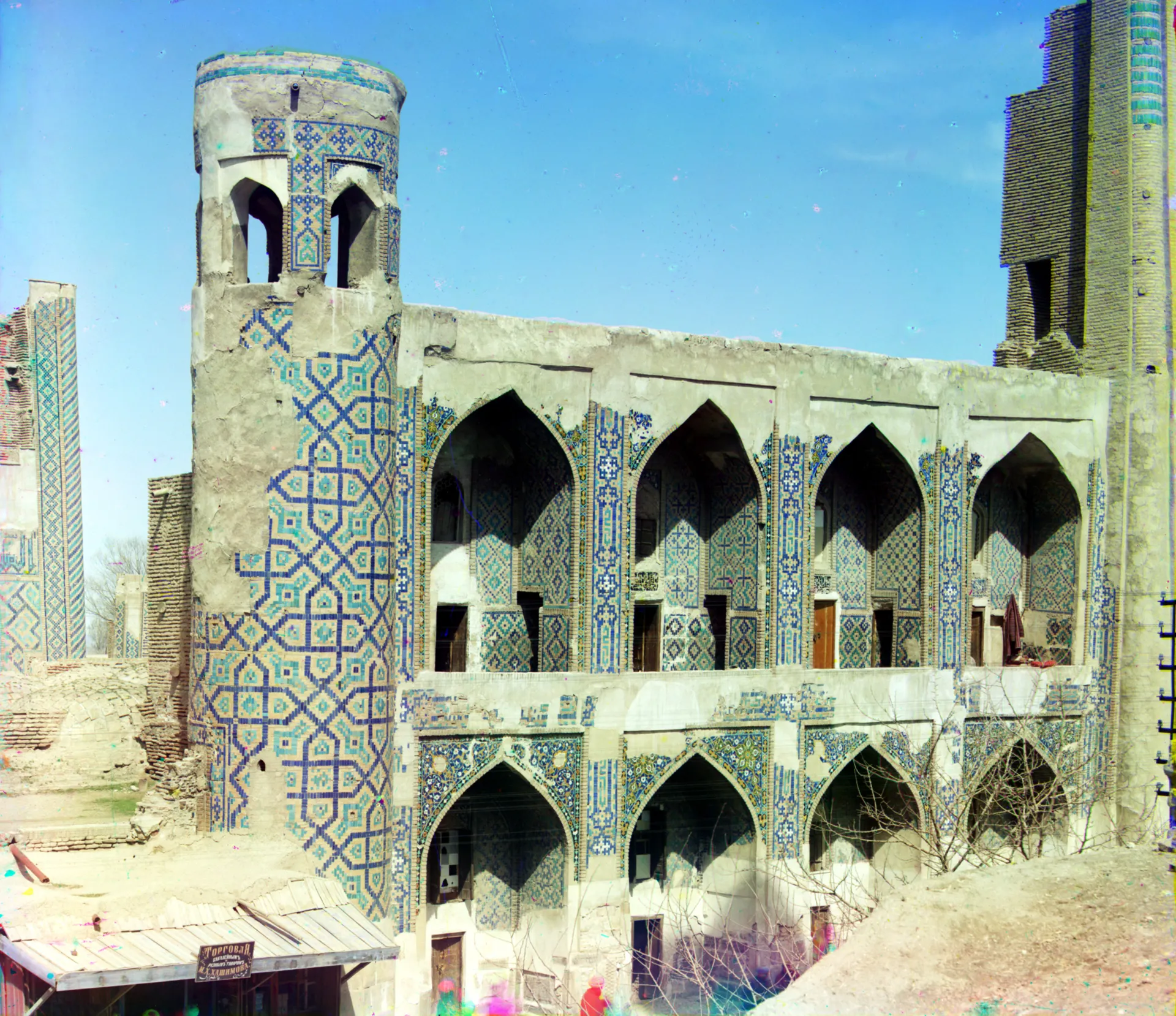
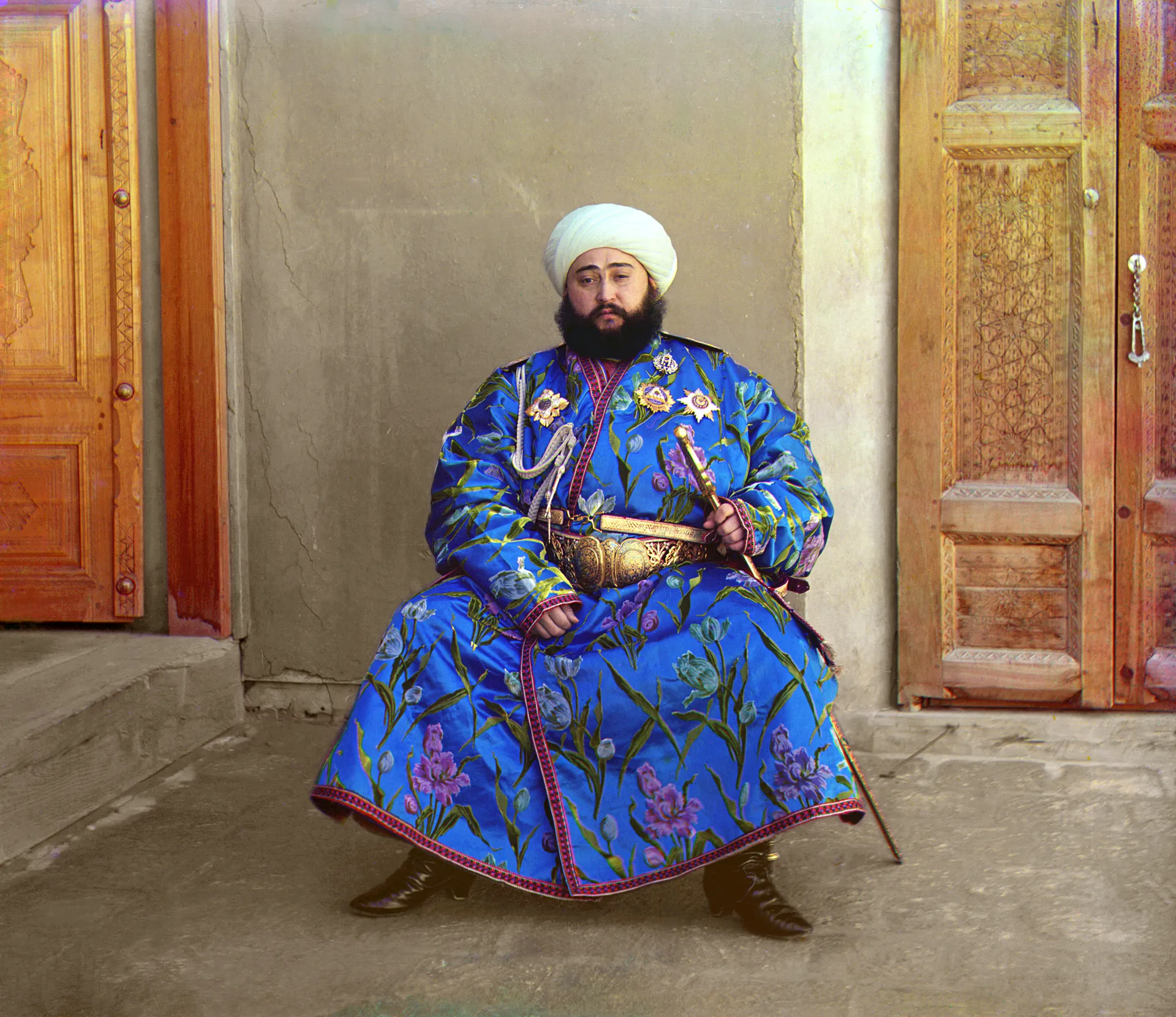
Samarkand in colour, around 1911
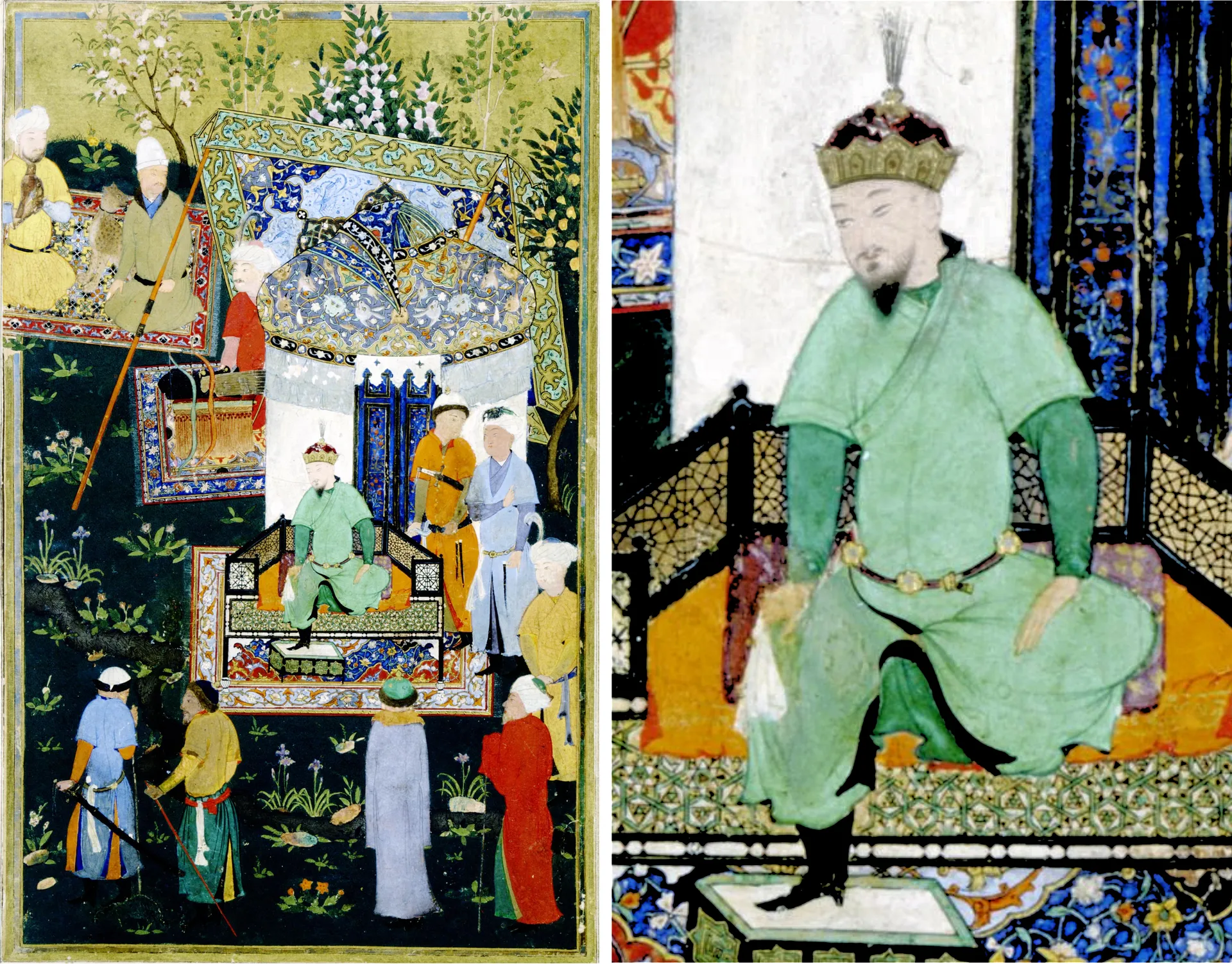
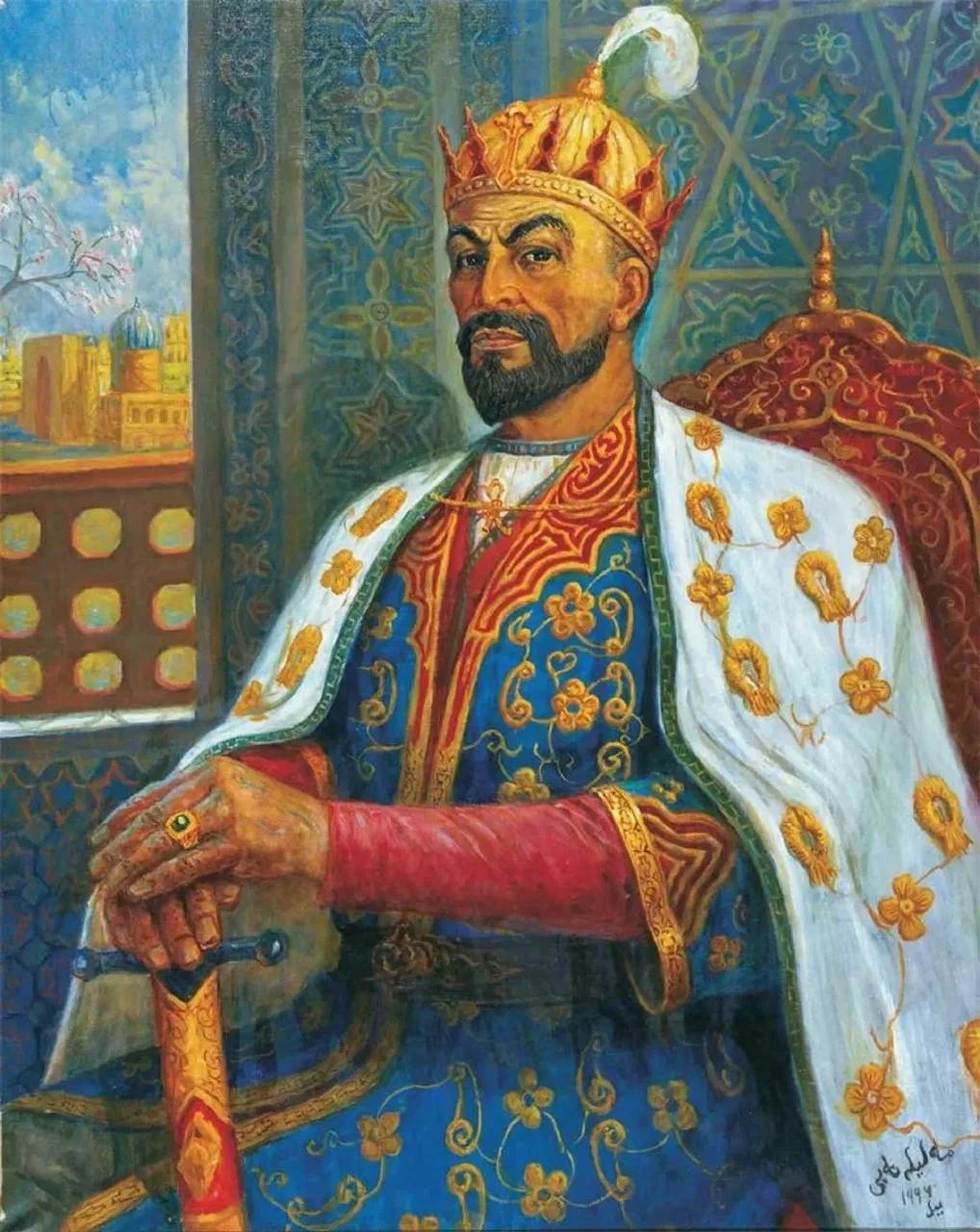
Timur's accession, a Timurid miniature
A land of many names
Uzbekistan is a landlocked country in the heart of Central Asia, and all five of its neighbours are landlocked too — only two countries in the world are enclosed like this. Its capital and largest city is Tashkent. Most of the population are Uzbeks, a Turkic people; the main language is Uzbek, Russian is still widely spoken, and most people follow Sunni Islam. In ancient times this land was known by names such as Sogdia, Bactria, Khwarazm and Transoxiana.
Sogdians and the Silk Road
The earliest recorded peoples were Iranian-speaking nomads who settled here in the first millennium BC and built irrigation systems and cities. By the middle of that millennium the Bactrian, Sogdian and Khwarezmian peoples dominated the region. Sogdian merchants became the richest traders on the Silk Road, turning Samarkand, Bukhara and Khiva into wealthy centres of culture and commerce. Alexander the Great conquered the region briefly, and it later passed through Greek, Persian, Kushan and Turkic empires. For centuries it was a meeting place of religions — Zoroastrianism, Buddhism, Manichaeism and others — and lived through a golden age of art, science and exchange.
Islam, conquest and the Timurid Renaissance
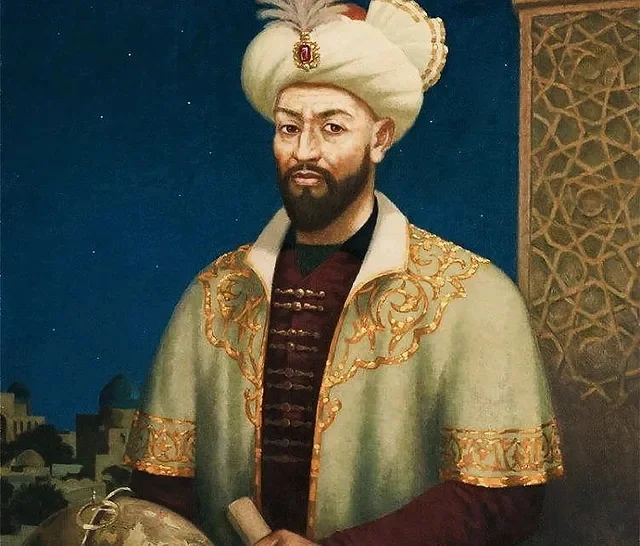
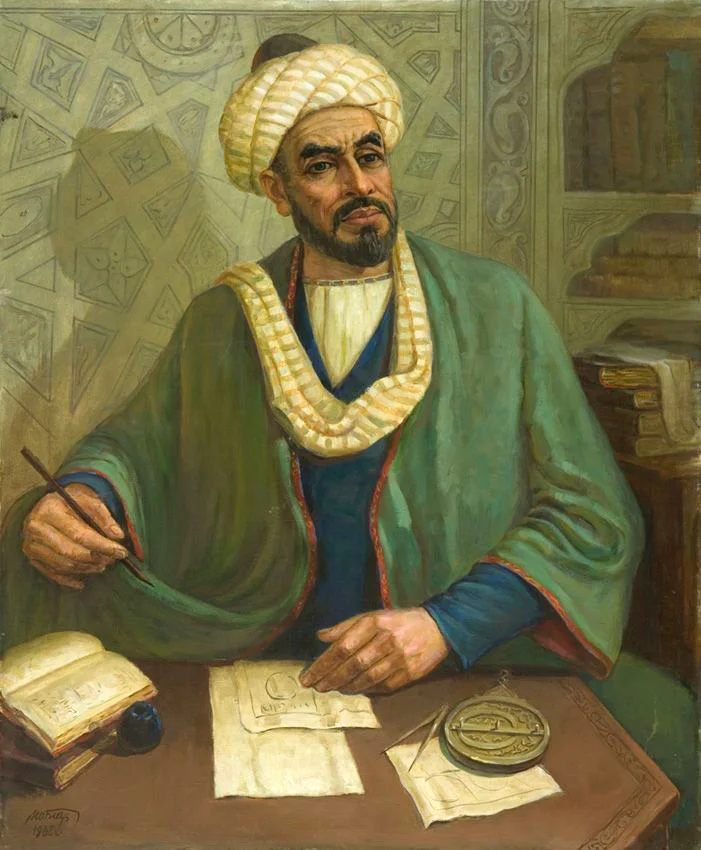
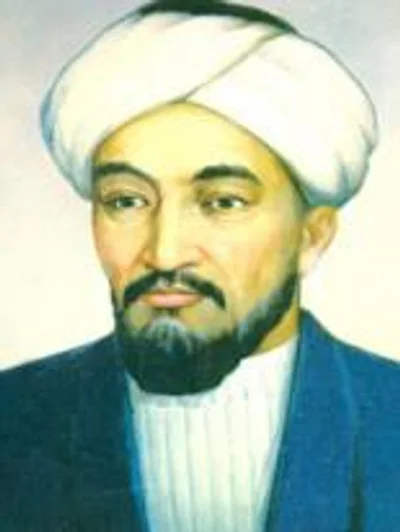
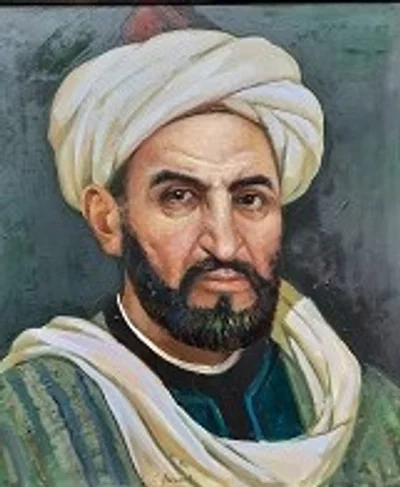
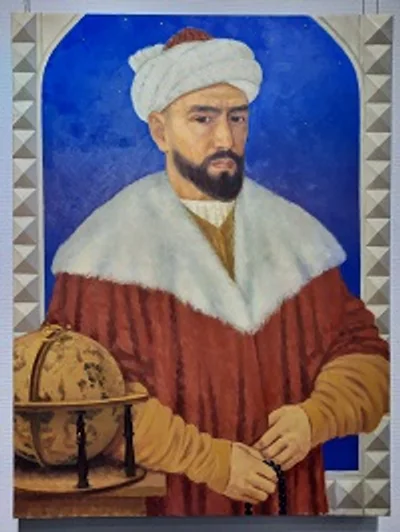
In the 8th century Arab armies brought Islam. Under the Samanid dynasty the region became a centre of the Islamic Golden Age, home to scholars such as al-Bukhari, al-Khwarizmi, al-Biruni and Avicenna. The Mongol invasion of the 13th century caused enormous destruction. Then Timur (Tamerlane) built a powerful empire with Samarkand as its capital and began the Timurid Renaissance. In the 16th century Uzbek tribes took control, and the land was eventually divided between three states: the Khanate of Khiva, the Khanate of Kokand and the Emirate of Bukhara.
Empire, Soviet republic, independence
During the 19th century the Russian Empire gradually conquered the region and made Tashkent the centre of Russian Turkestan. In 1924 the Soviets created the Uzbek Soviet Socialist Republic, roughly the shape of the country today. After the collapse of the Soviet Union, Uzbekistan declared independence on 31 August 1991 — an event celebrated every year on 1 September.