Where several of Islam's foundational texts were compiled
Uzbekistan is a secular state with a predominantly Sunni Muslim population following the Hanafi school. Its historical significance to Islamic scholarship is disproportionate to its size.
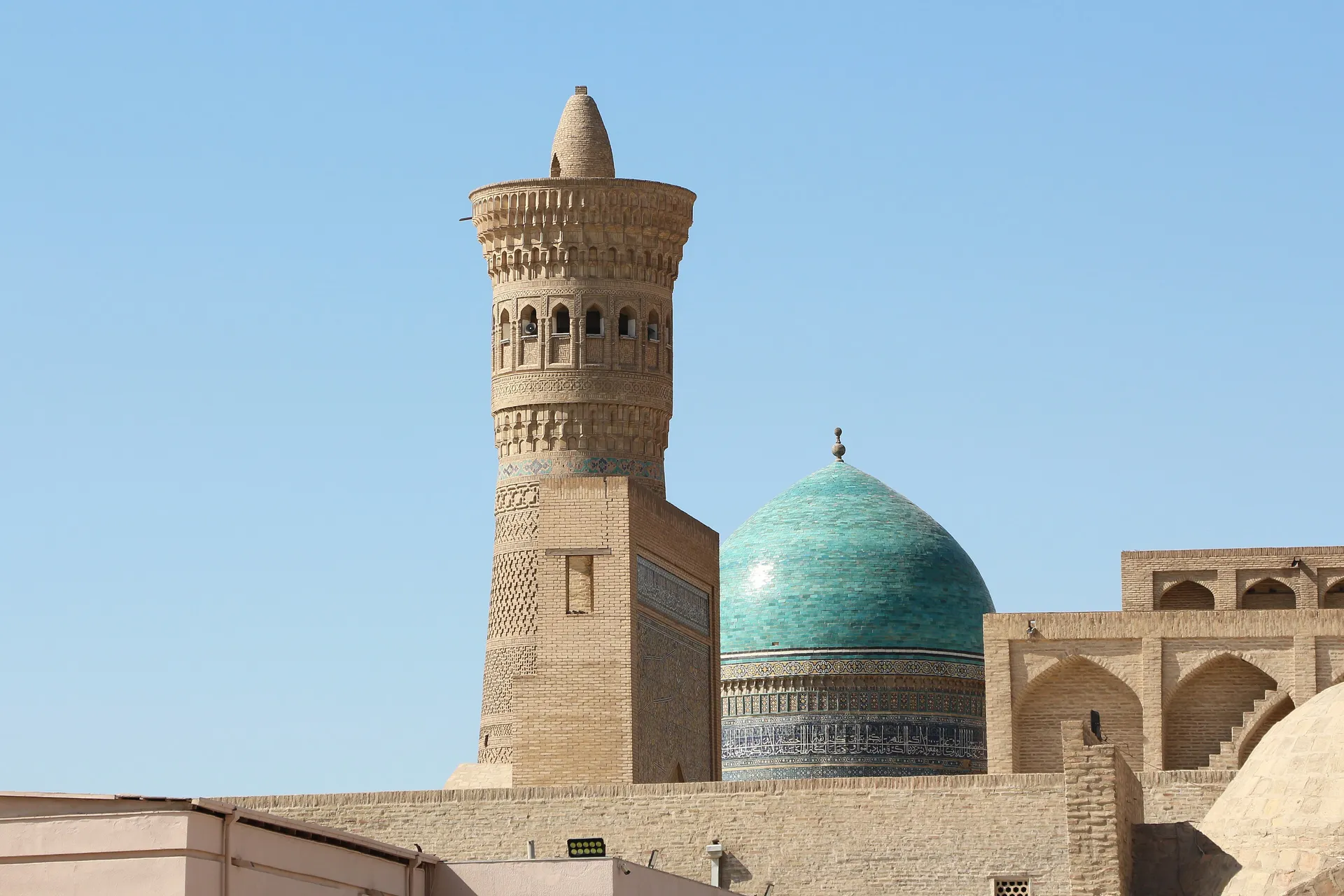
Kalyan Minaret, Bukhara
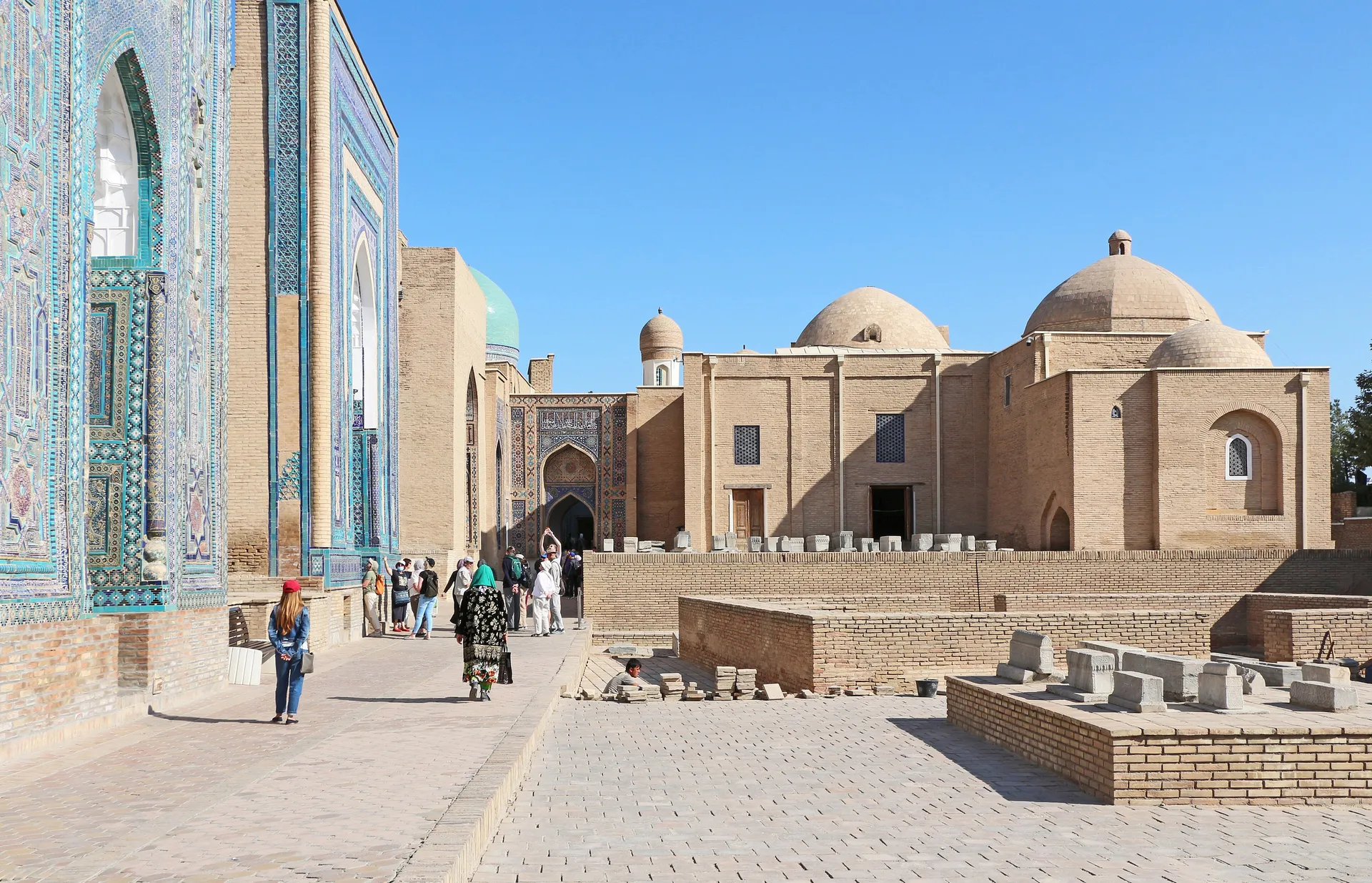
Shah-i-Zinda
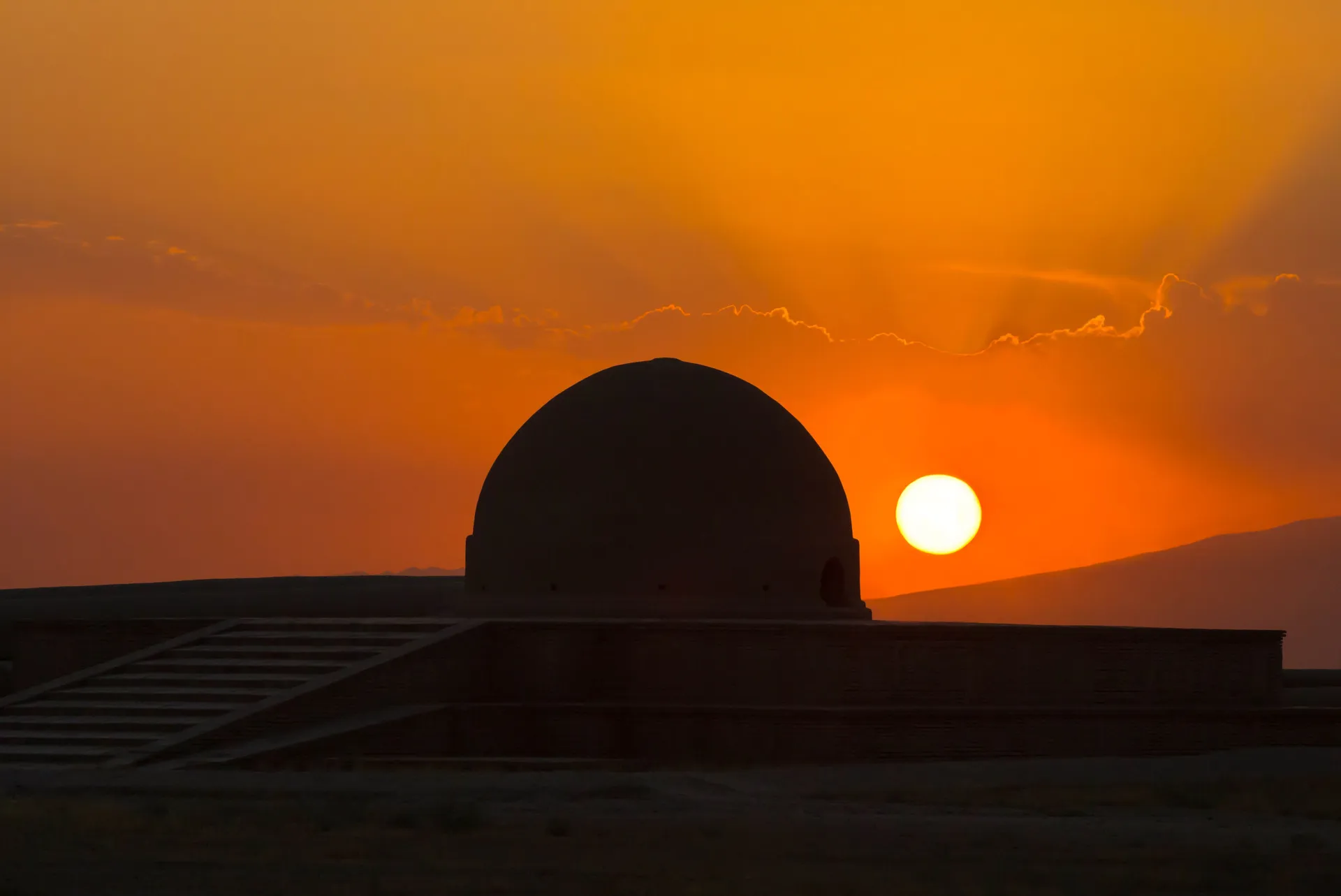
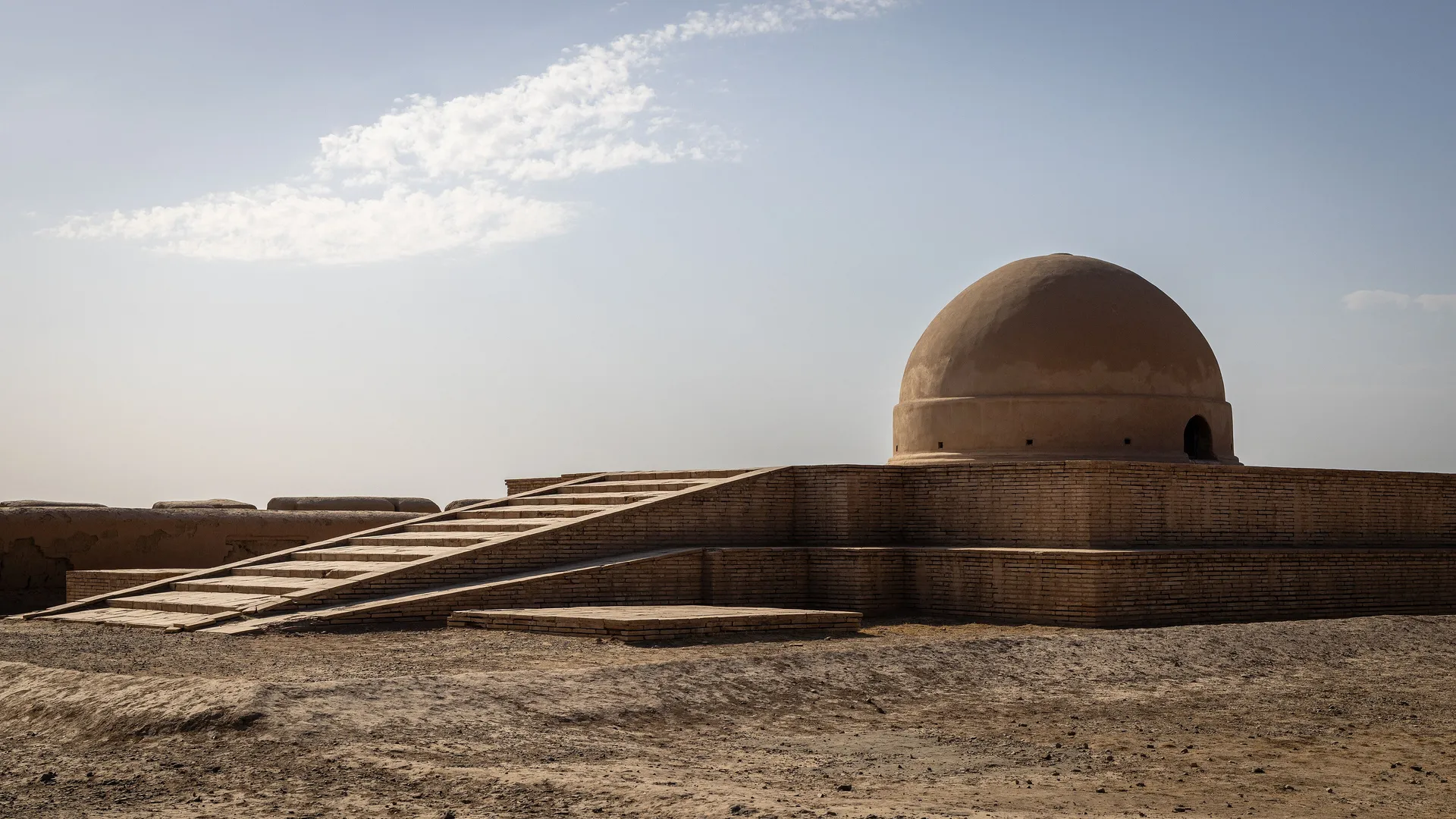
Fayaz Tepe at sunset
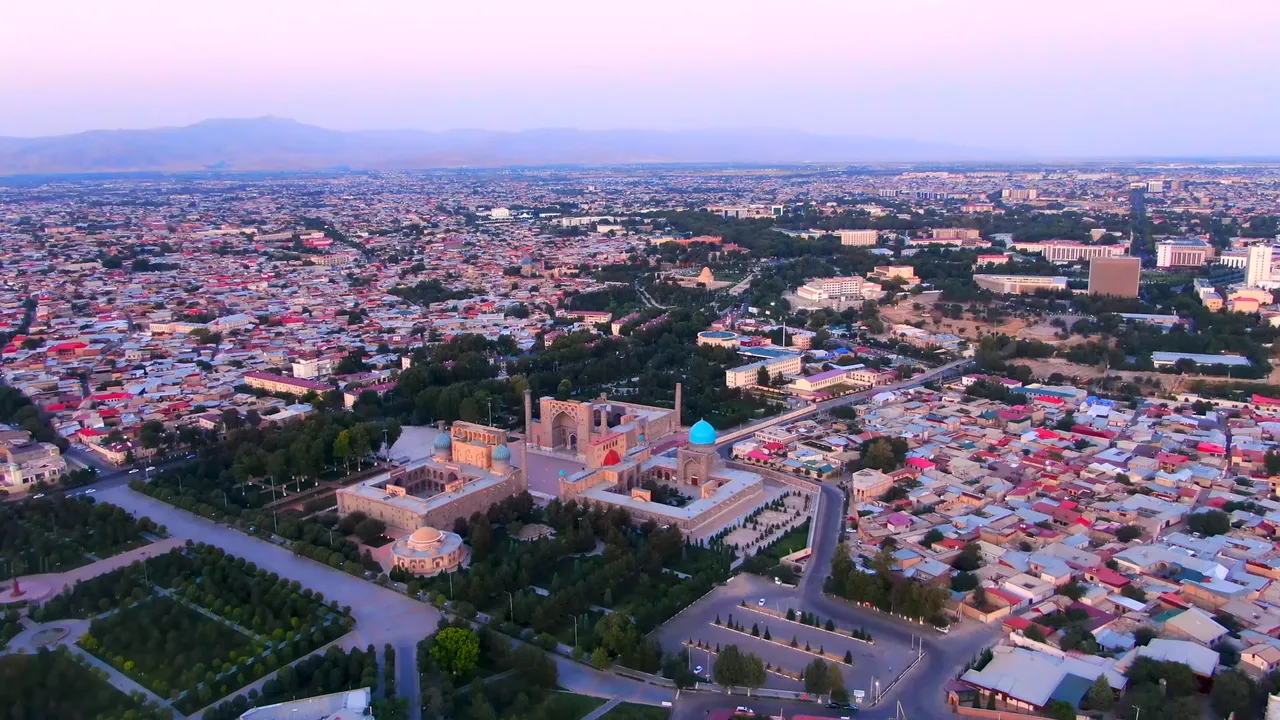
Hazrati Imam from above
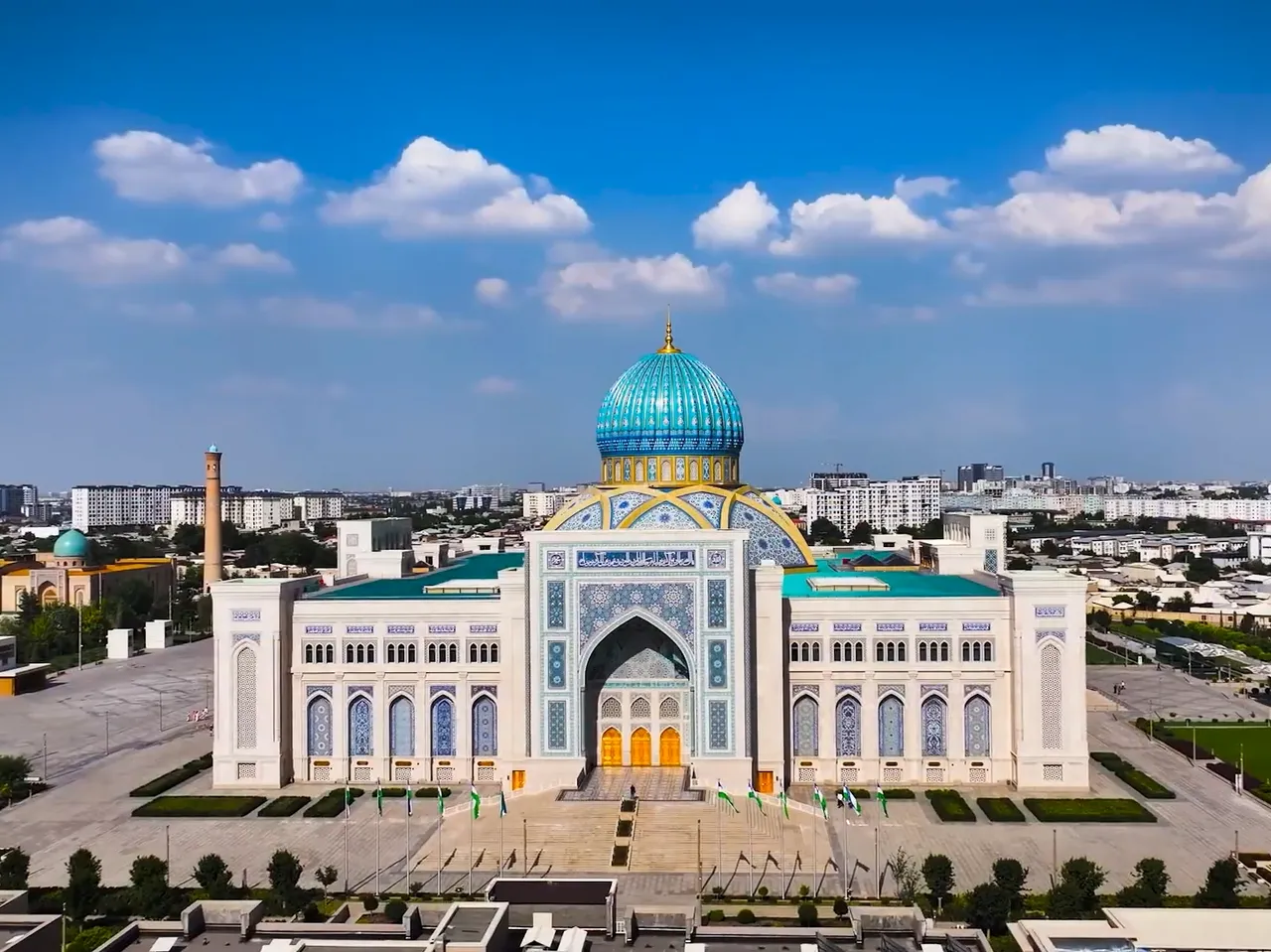
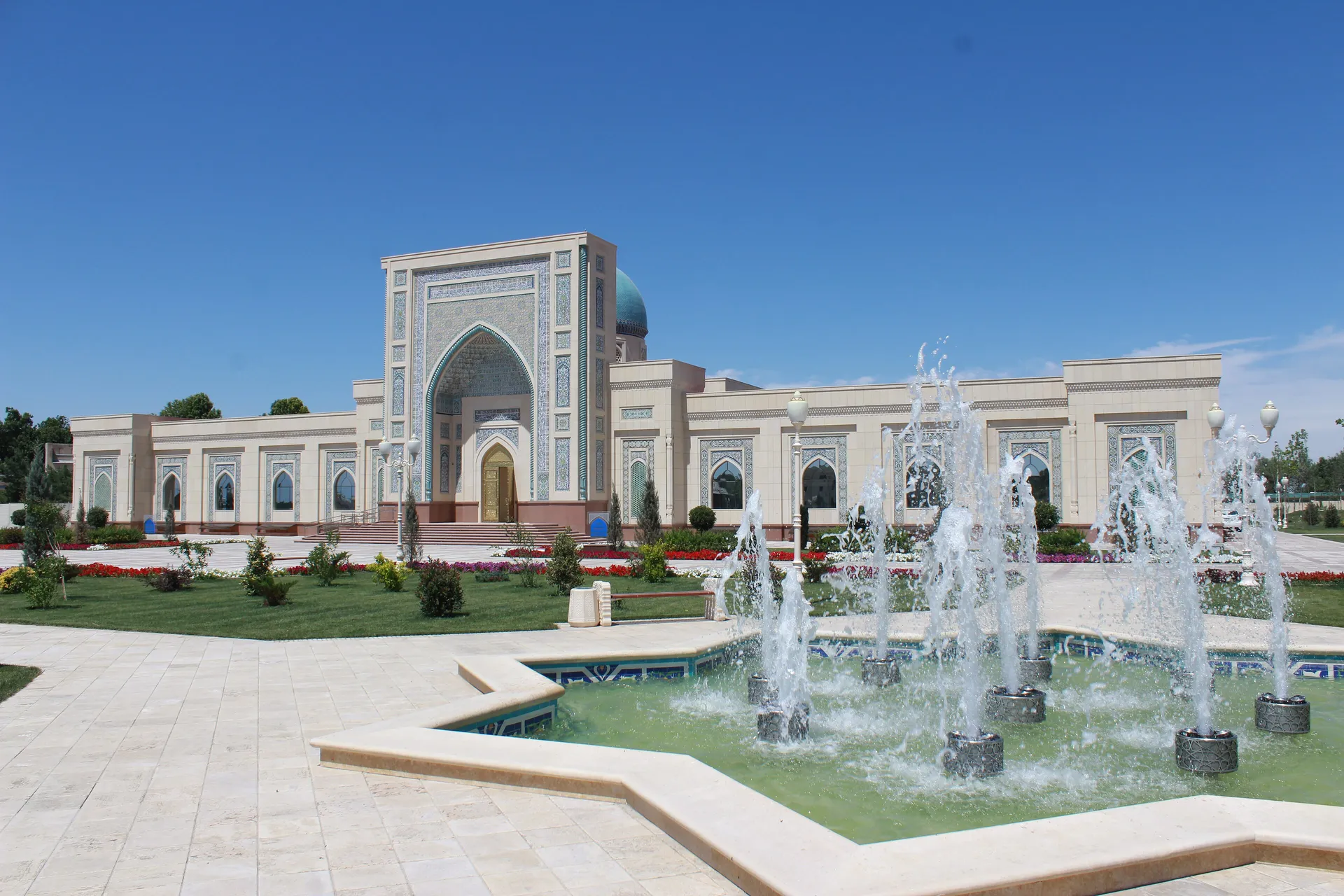
The Centre of Islamic Civilization
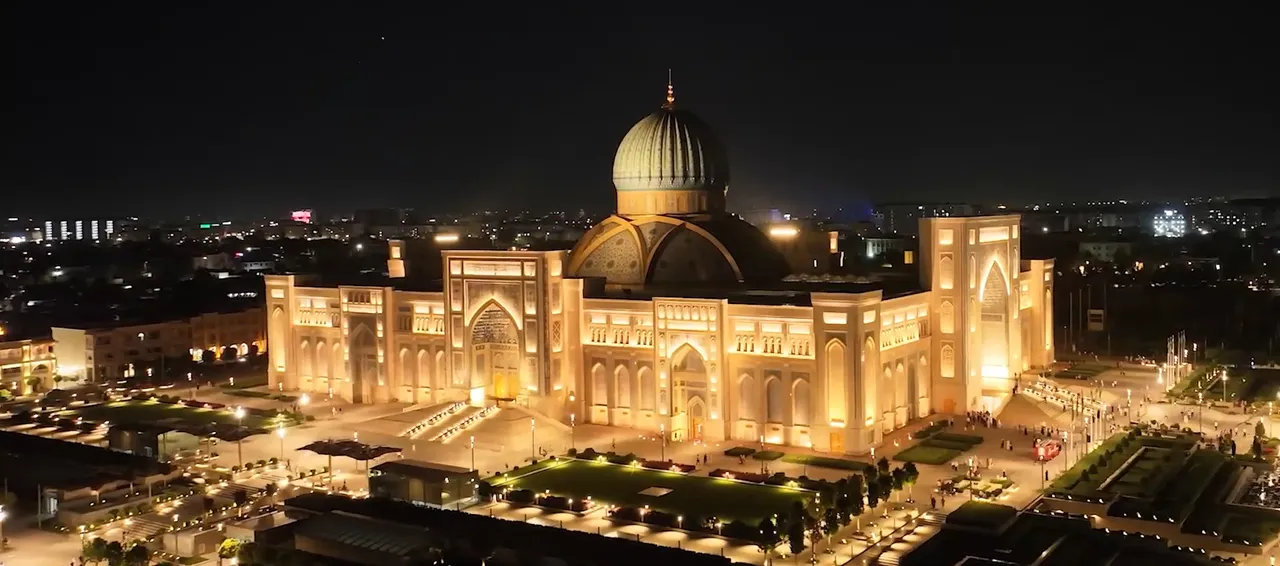
The Centre of Islamic Civilization by night
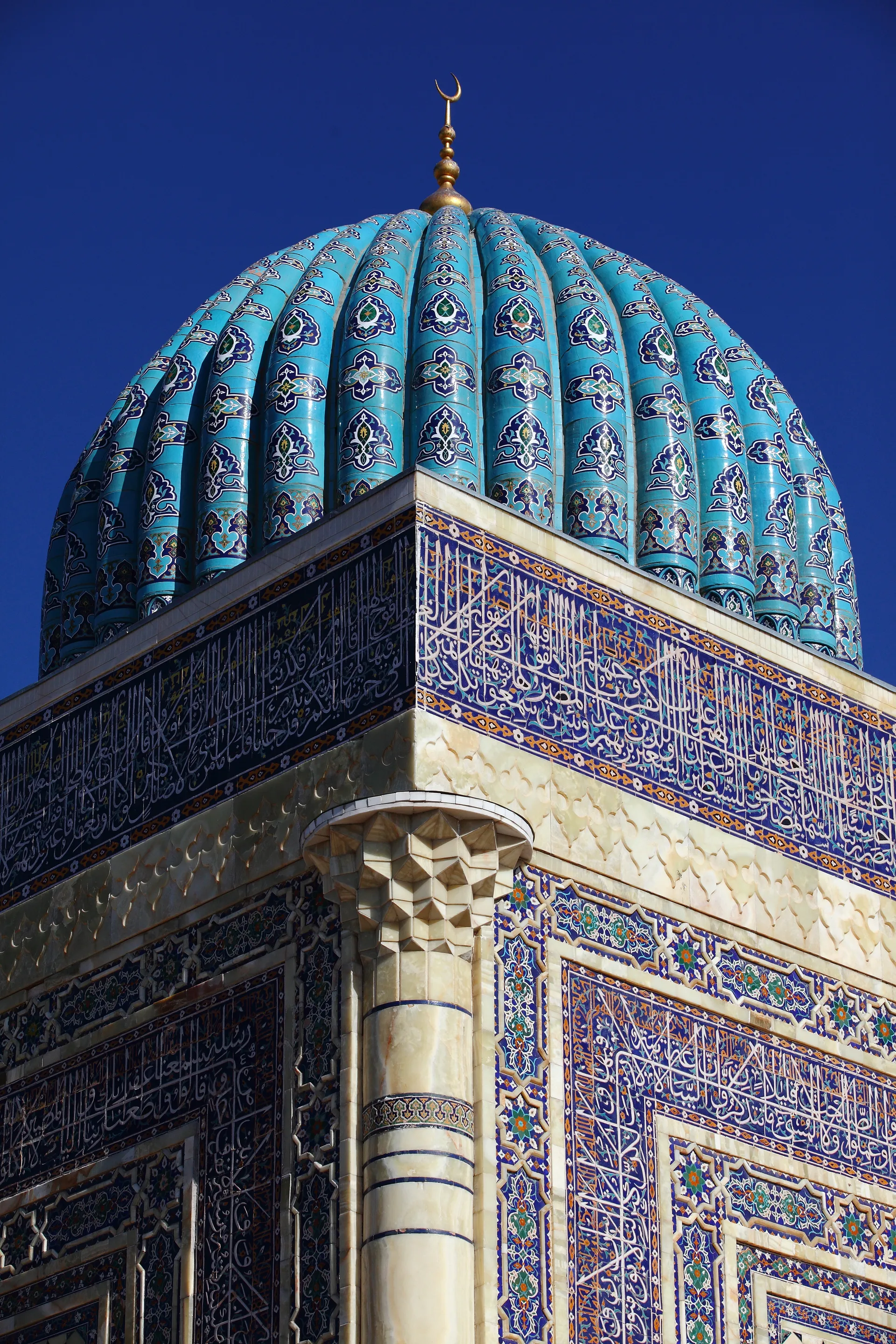
The mausoleum of Imam al-Bukhari
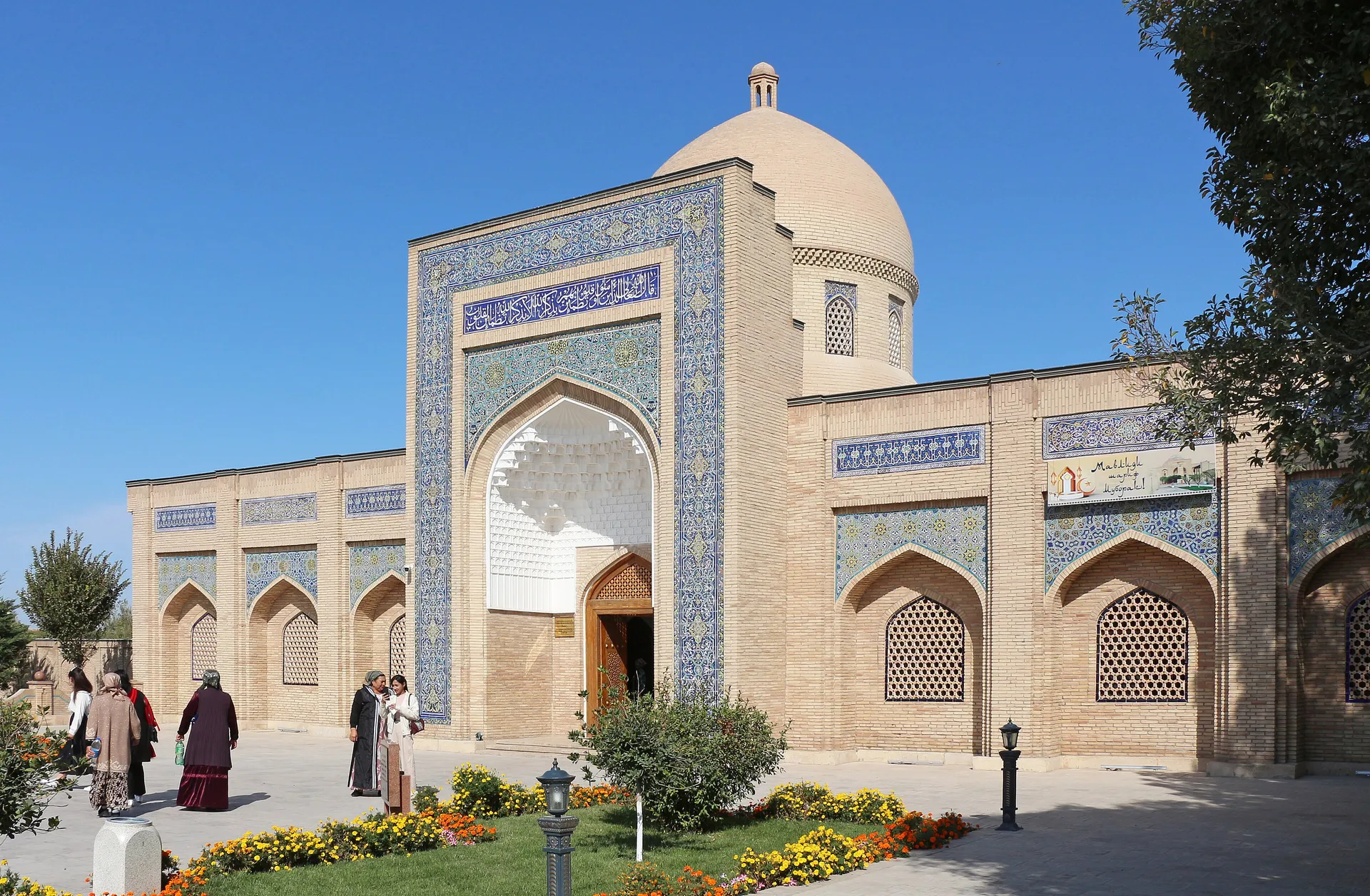
The Bahouddin Naqshband complex
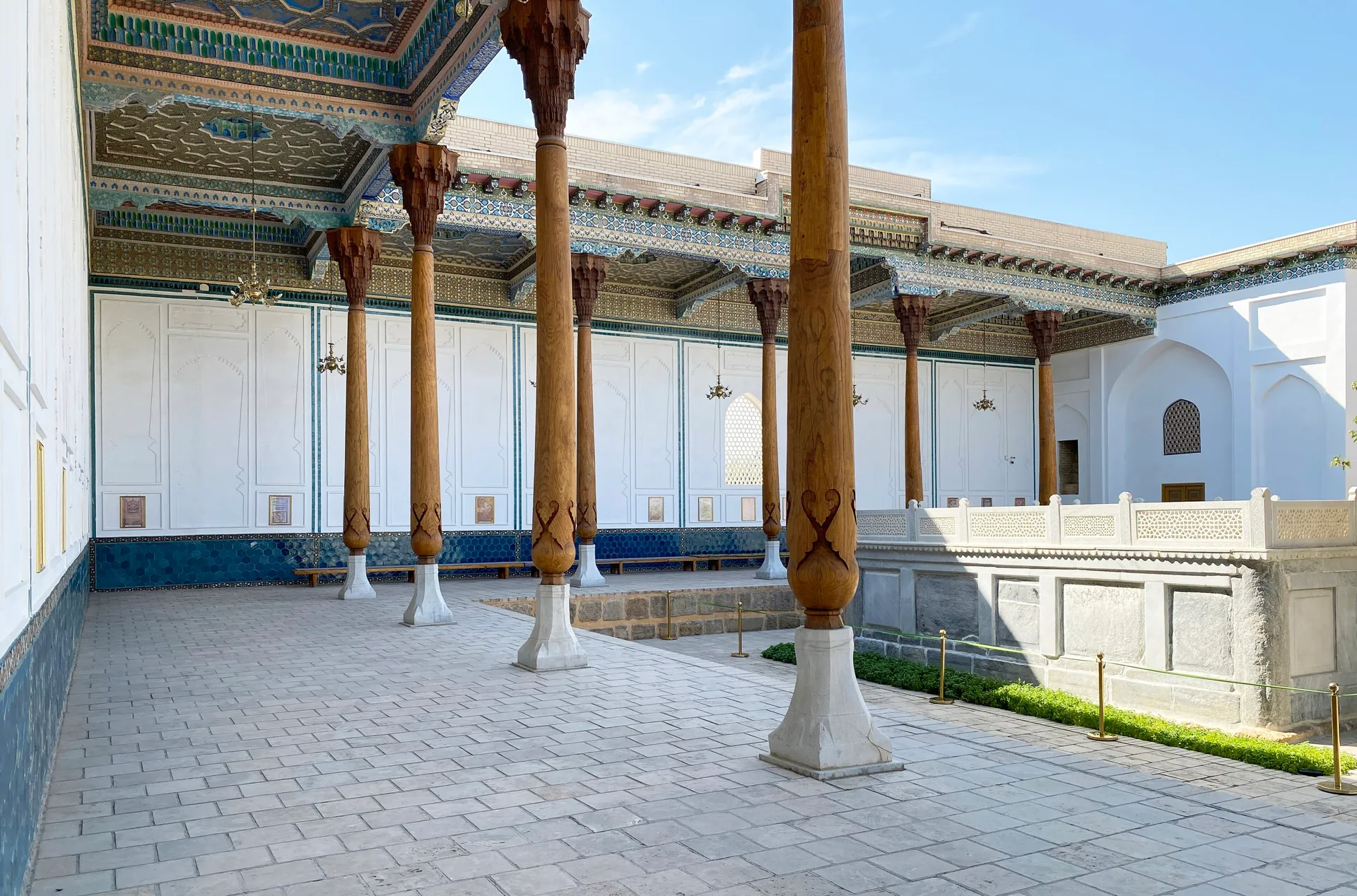
Carved columns at Naqshband
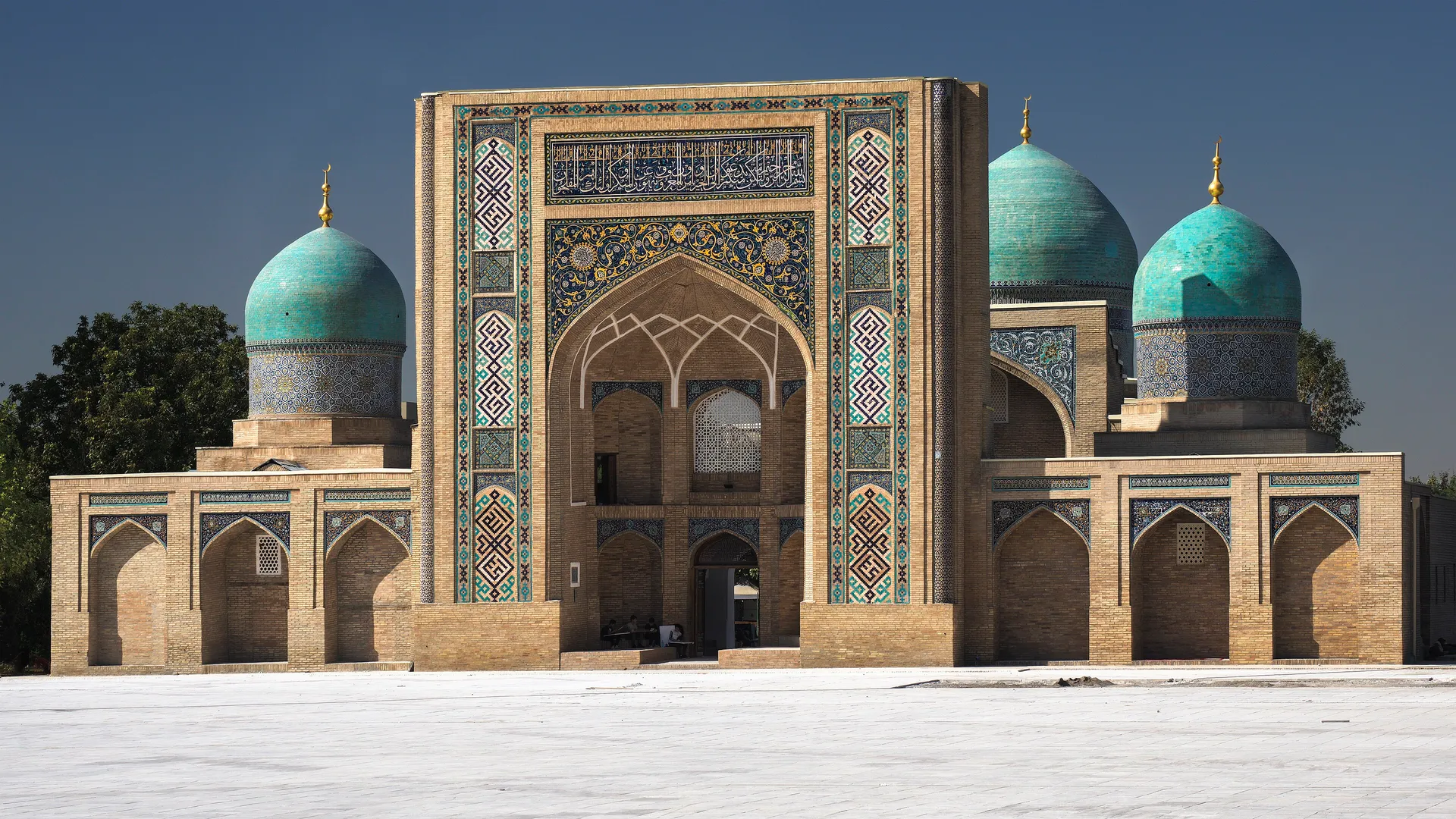
The Barak Khan Madrasa
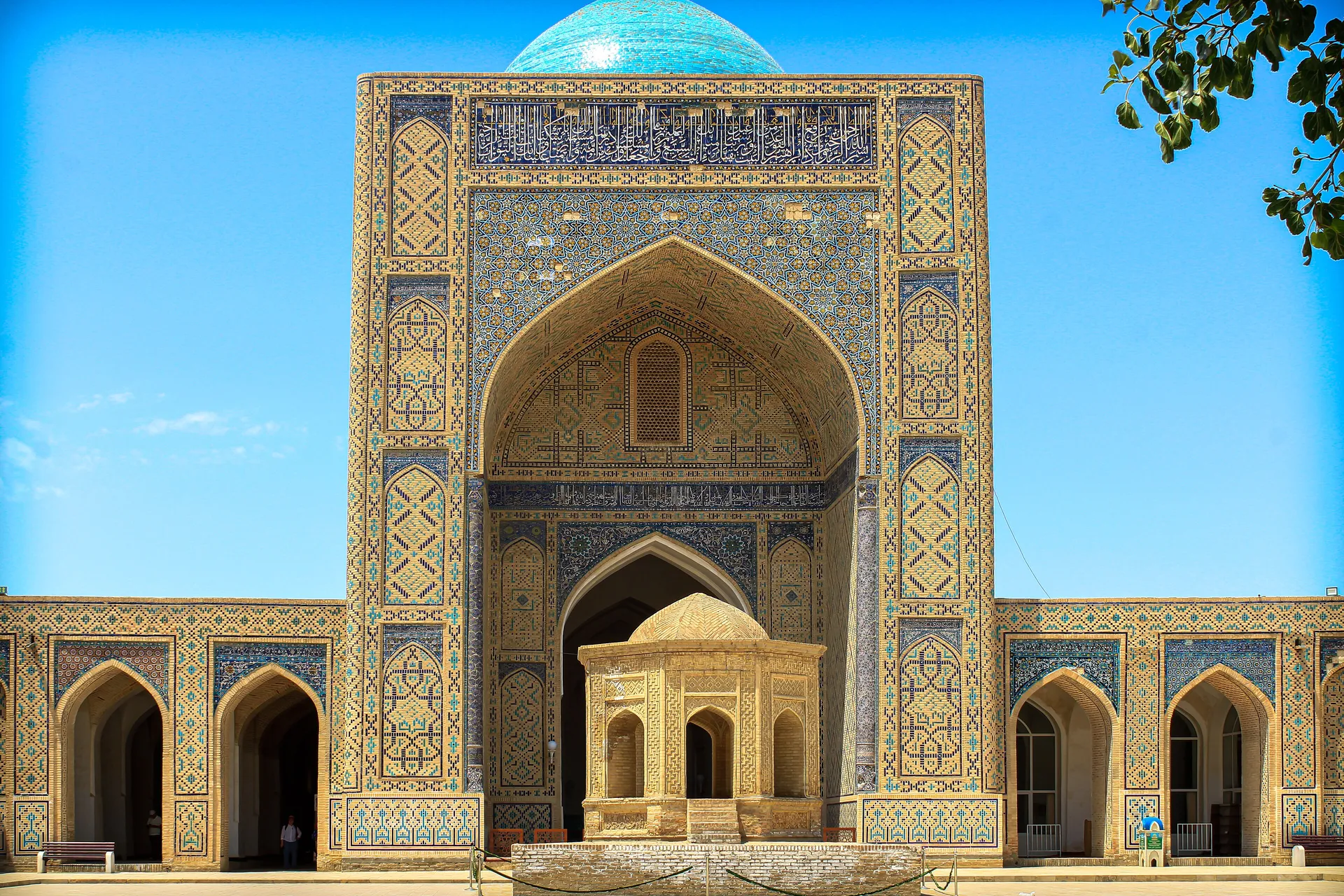
The Kalyan Mosque courtyard
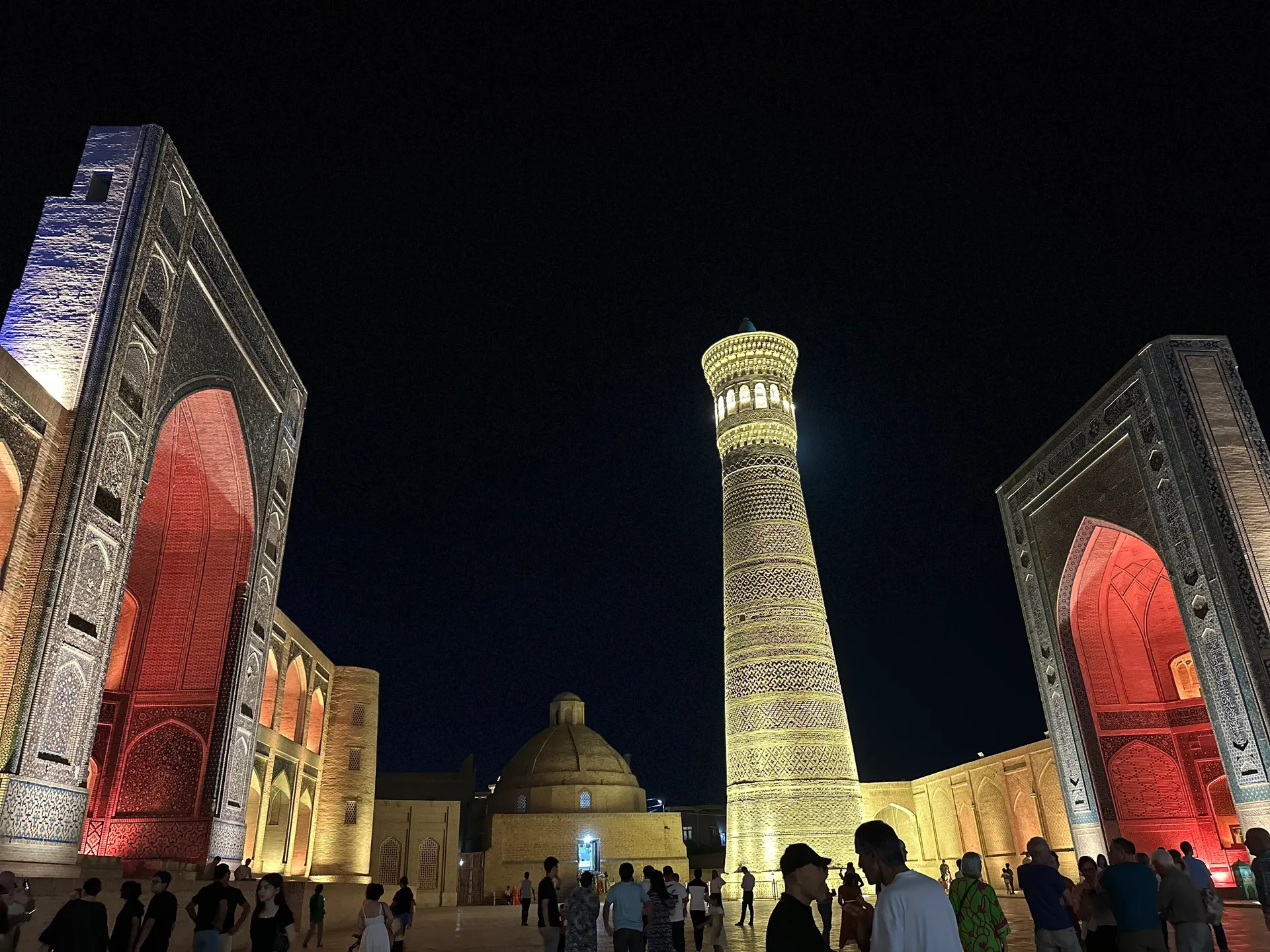
Po-i-Kalyan by night
The scholars
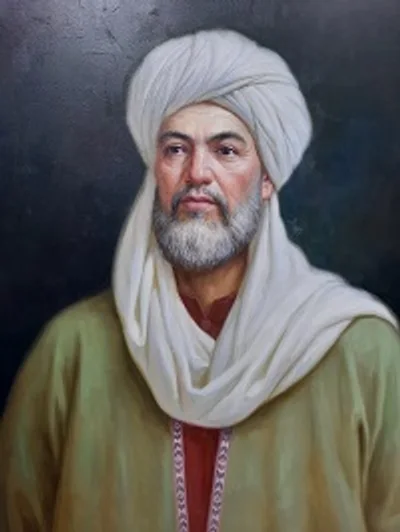
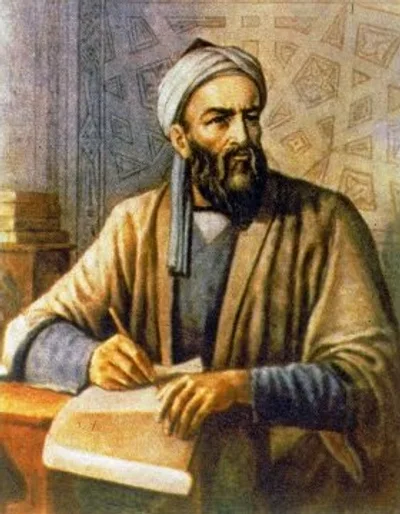
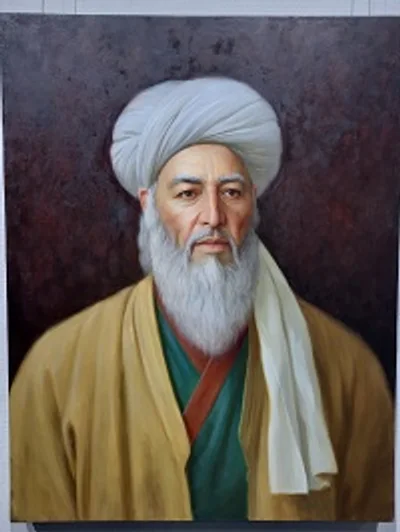
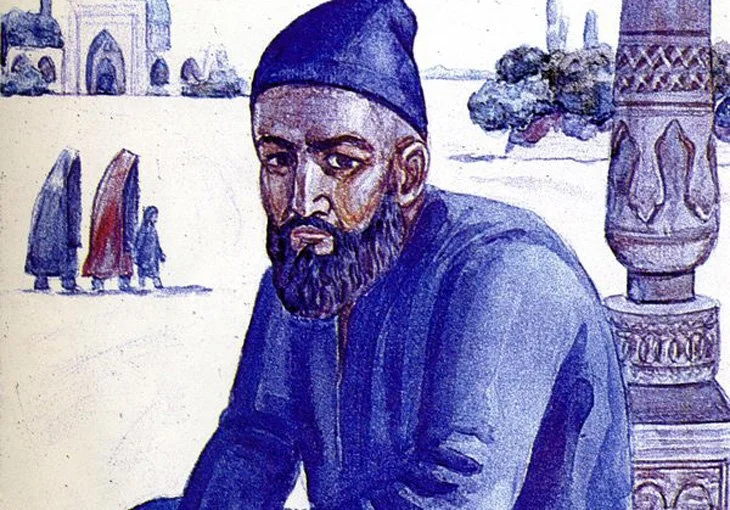
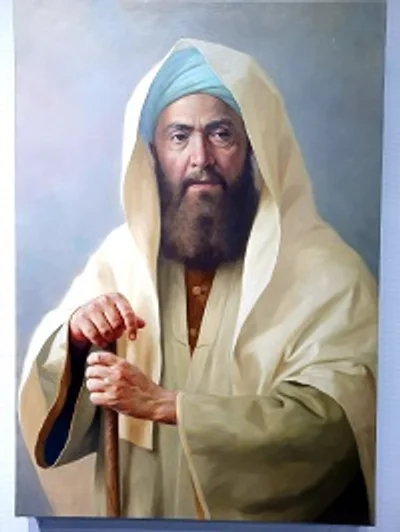
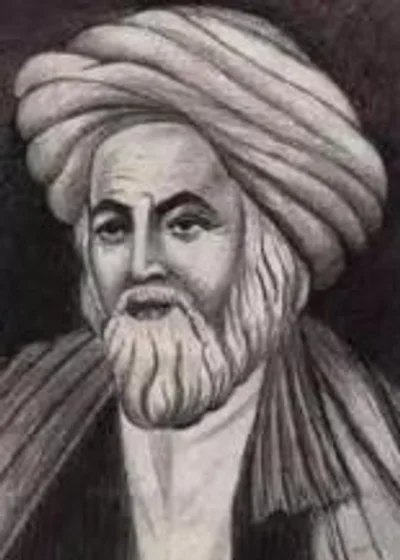
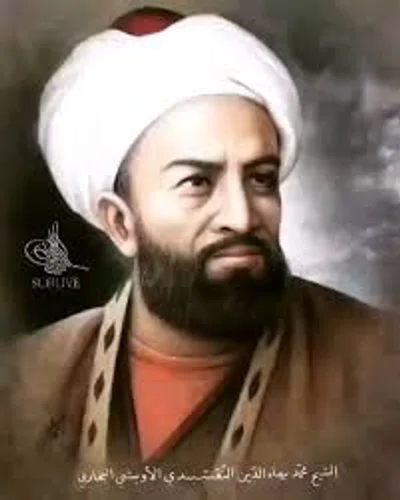
Imam al-Bukhari, born in Bukhara in 810, compiled the Sahih — the hadith collection Sunni Muslims regard as the most authoritative book after the Qur'an. Al-Tirmidhi, from Termez, produced another of the six canonical collections. Al-Maturidi, from a village near Samarkand, founded one of the two main schools of Sunni theology. And Bahauddin Naqshband, buried outside Bukhara, gave his name to the Naqshbandi Sufi order, which spread from here across Asia and beyond. All four shrines remain active places of visit.
Before and alongside
Islam arrived in the eighth century into a religiously crowded landscape. Zoroastrianism was long established in Khwarezm and Sogdiana. Termez in the south was a significant Buddhist centre — the monastery ruins at Fayaz-Tepa and Kara-Tepa are still being excavated. Nestorian Christian and Manichaean communities used the same trade roads. Bukharan Jews have lived here for well over a millennium, with a distinct dialect and liturgy. Today the constitution separates religion from the state, and Russian Orthodox, Jewish, Catholic and other communities maintain places of worship.
Highlights
Imam al-Bukhari's Sahih is regarded by Sunni Muslims as the most authentic book after the Qur'an
The Khast Imam complex in Tashkent holds one of the world's oldest surviving Qur'an manuscripts
Al-Maturidi, from near Samarkand, founded one of the two principal schools of Sunni theology
Termez was a major Buddhist centre centuries before Islam reached the region