
Nature & Landscapes
Desert, mountain, and a sea that mostly is not there
Uzbekistan is one of only two doubly landlocked countries on earth — every neighbour is also landlocked. The terrain runs from red desert in the west to peaks above 4,600 metres in the south-east.
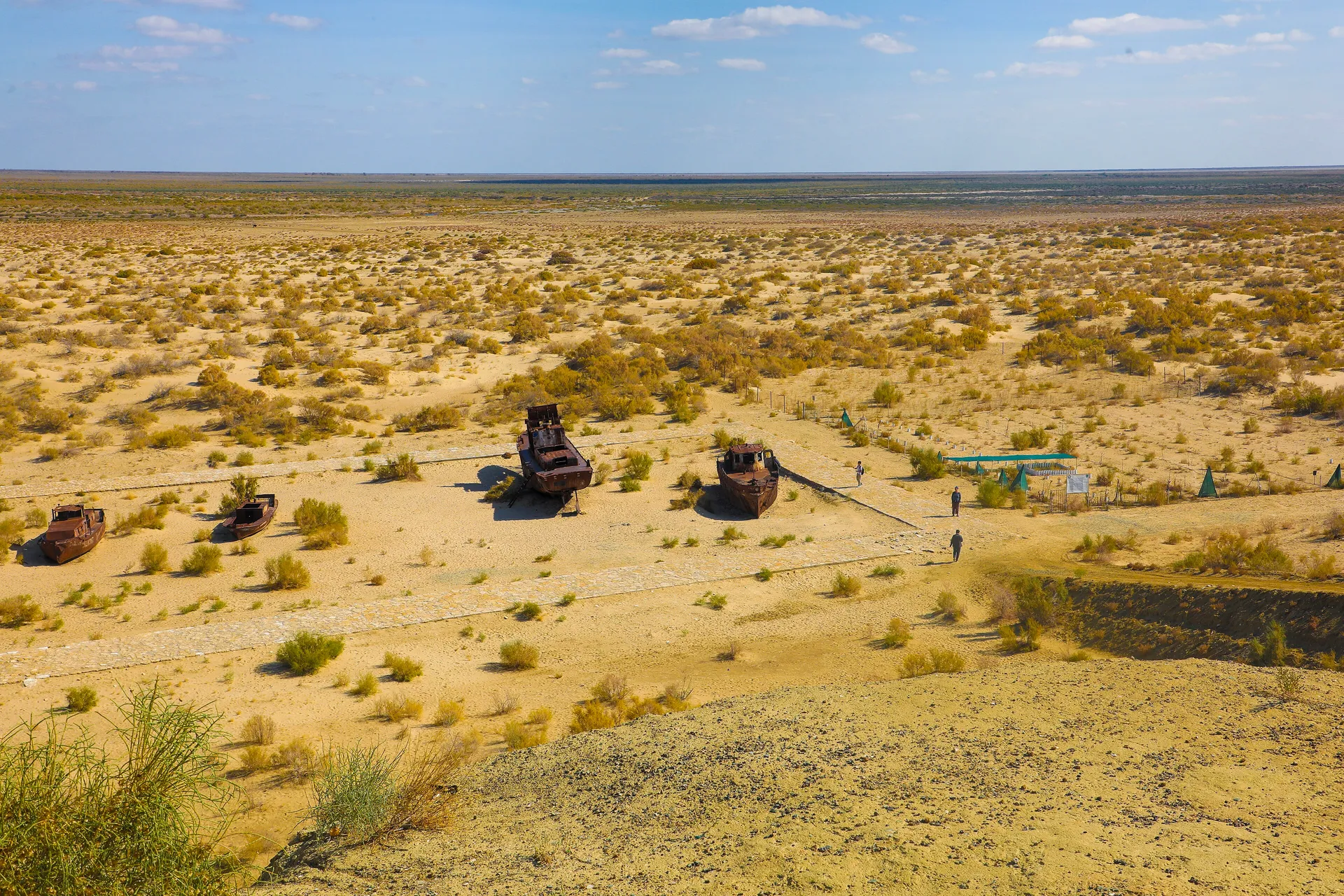
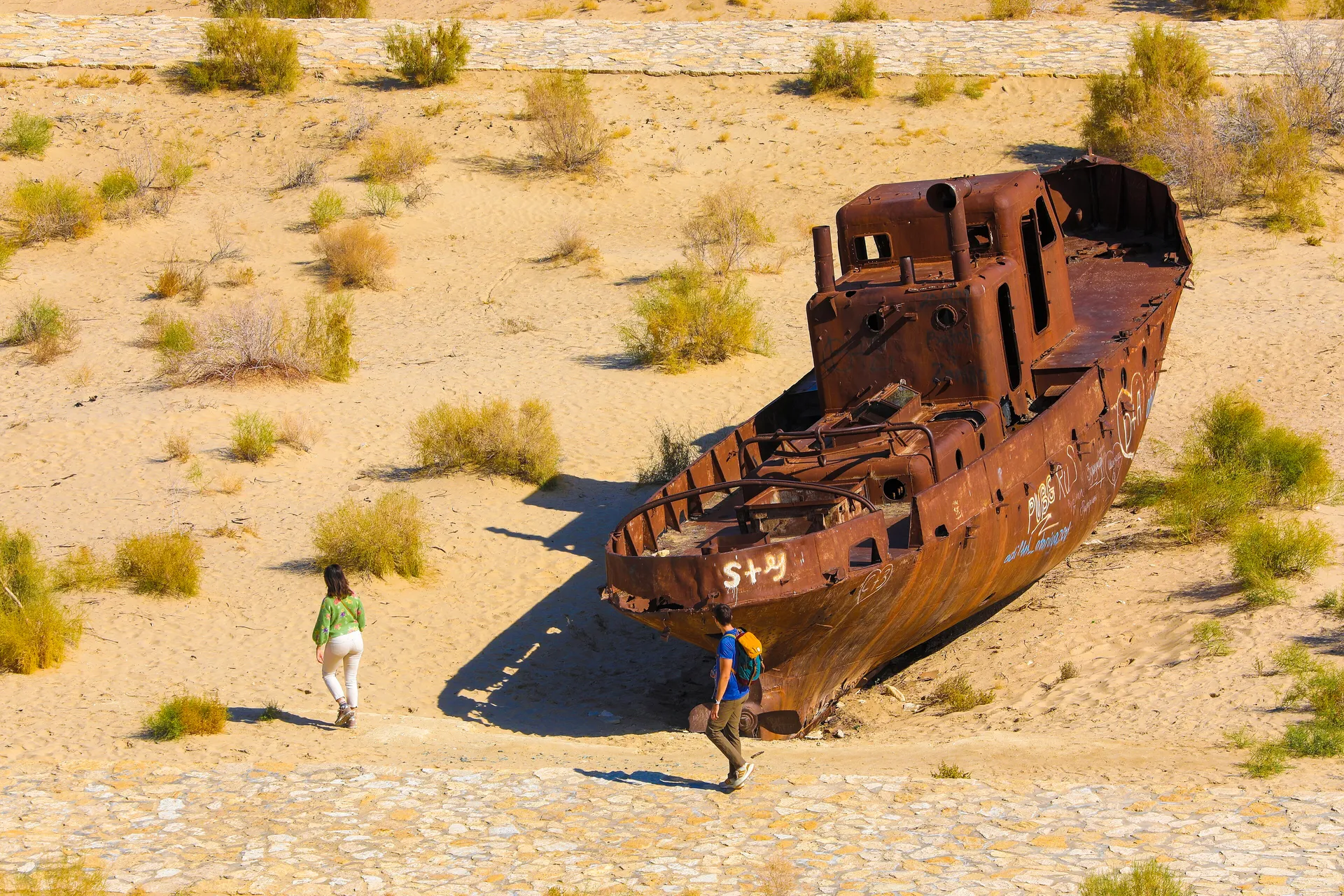
Moynaq ship cemetery
Mountains, steppe and red sand
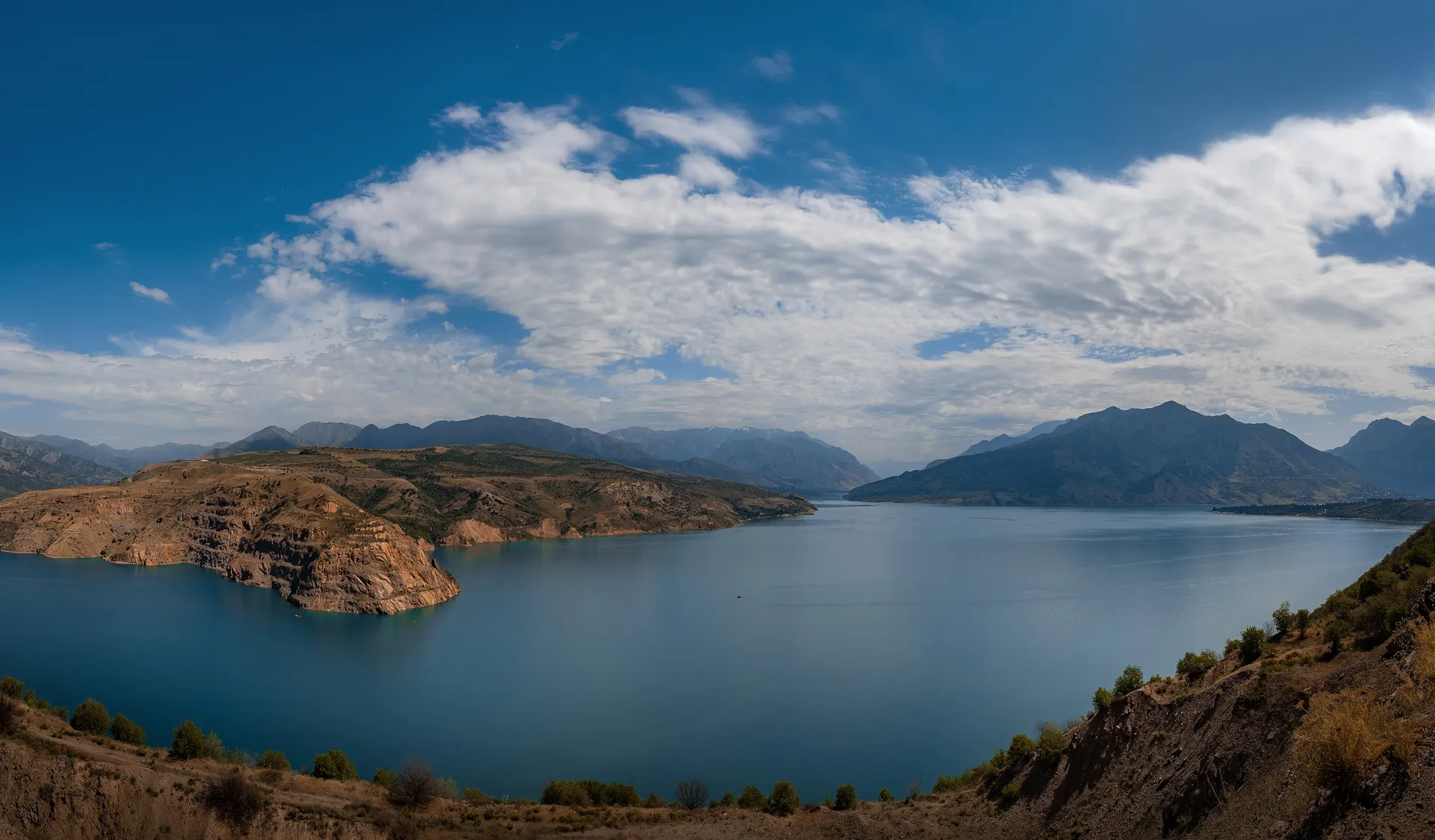
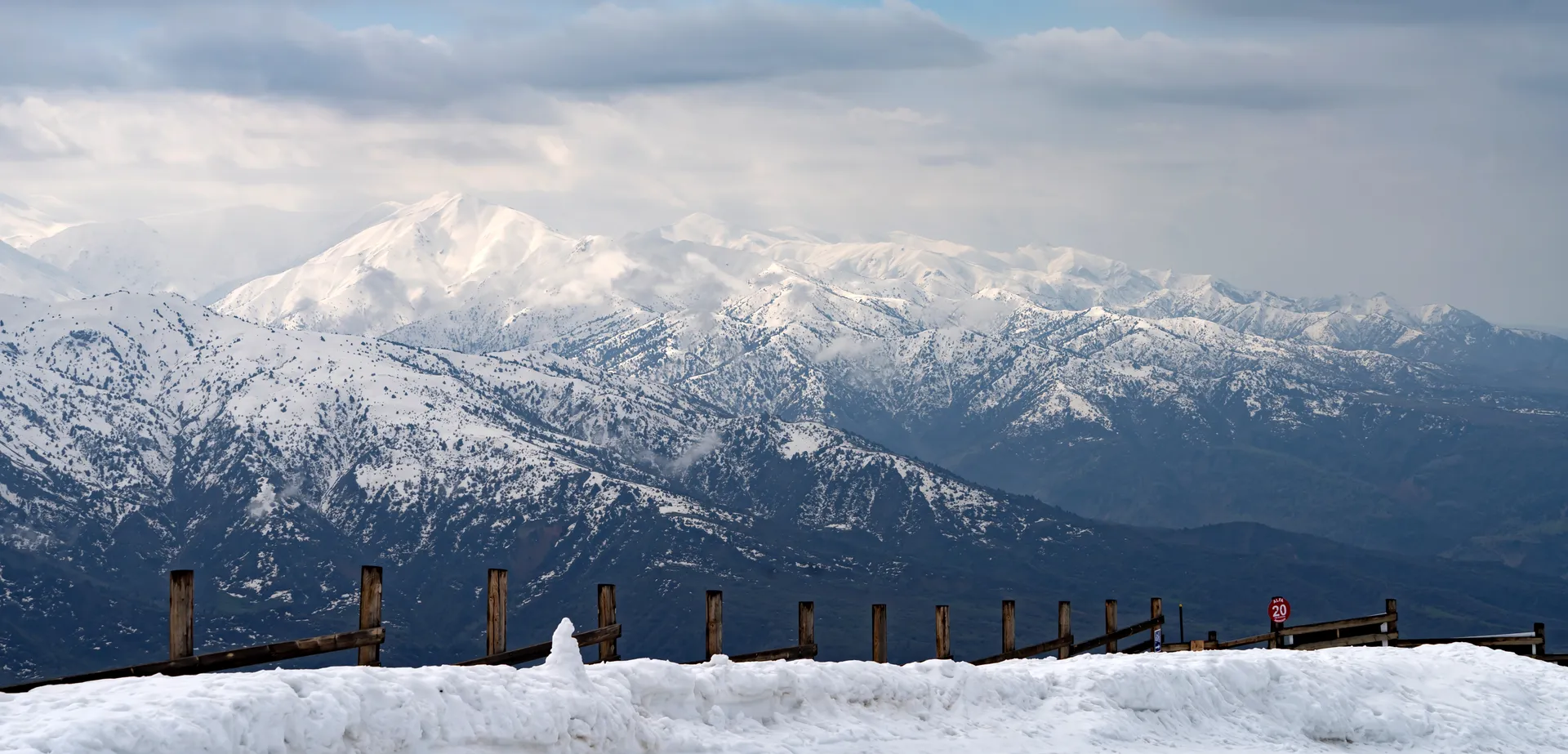
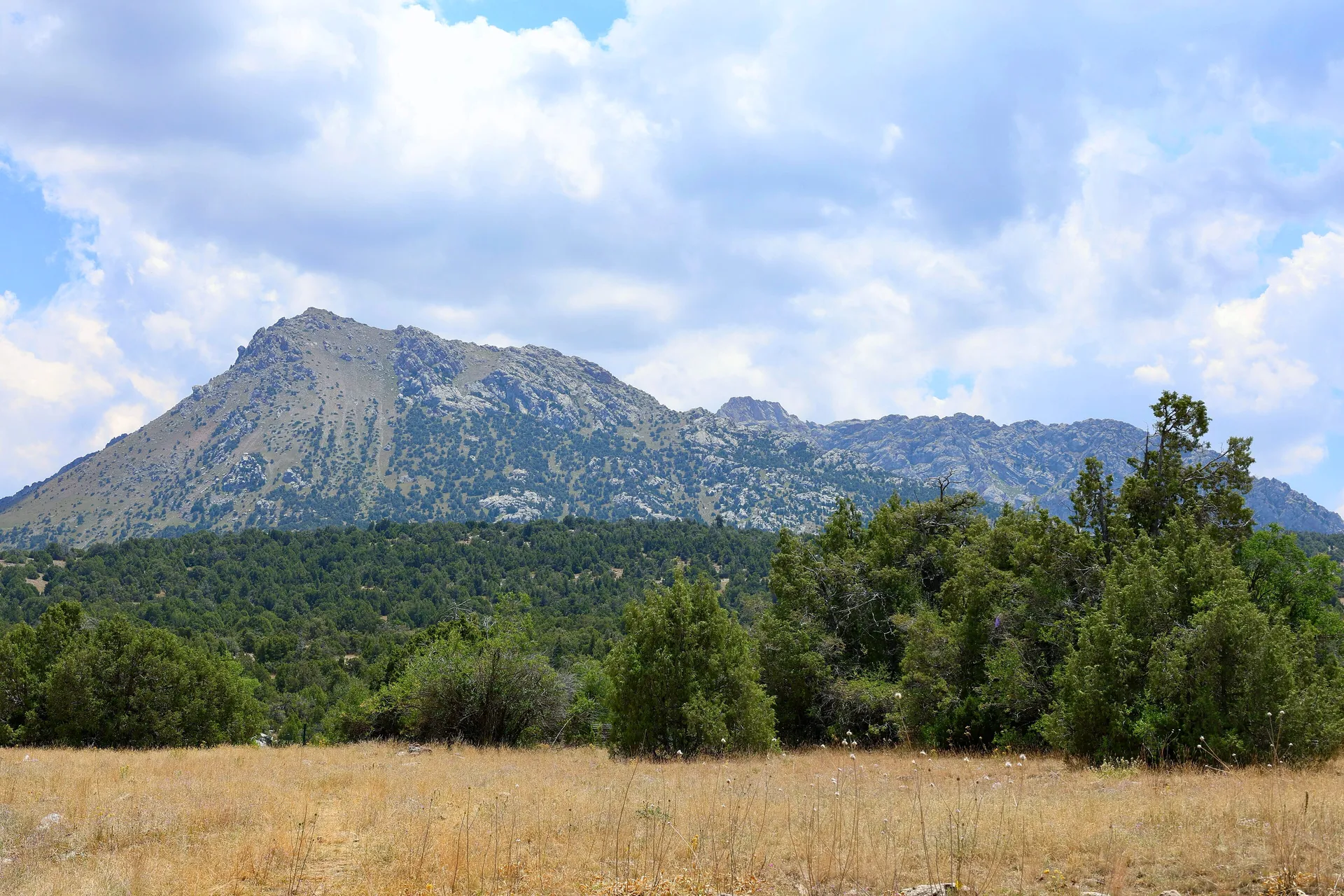
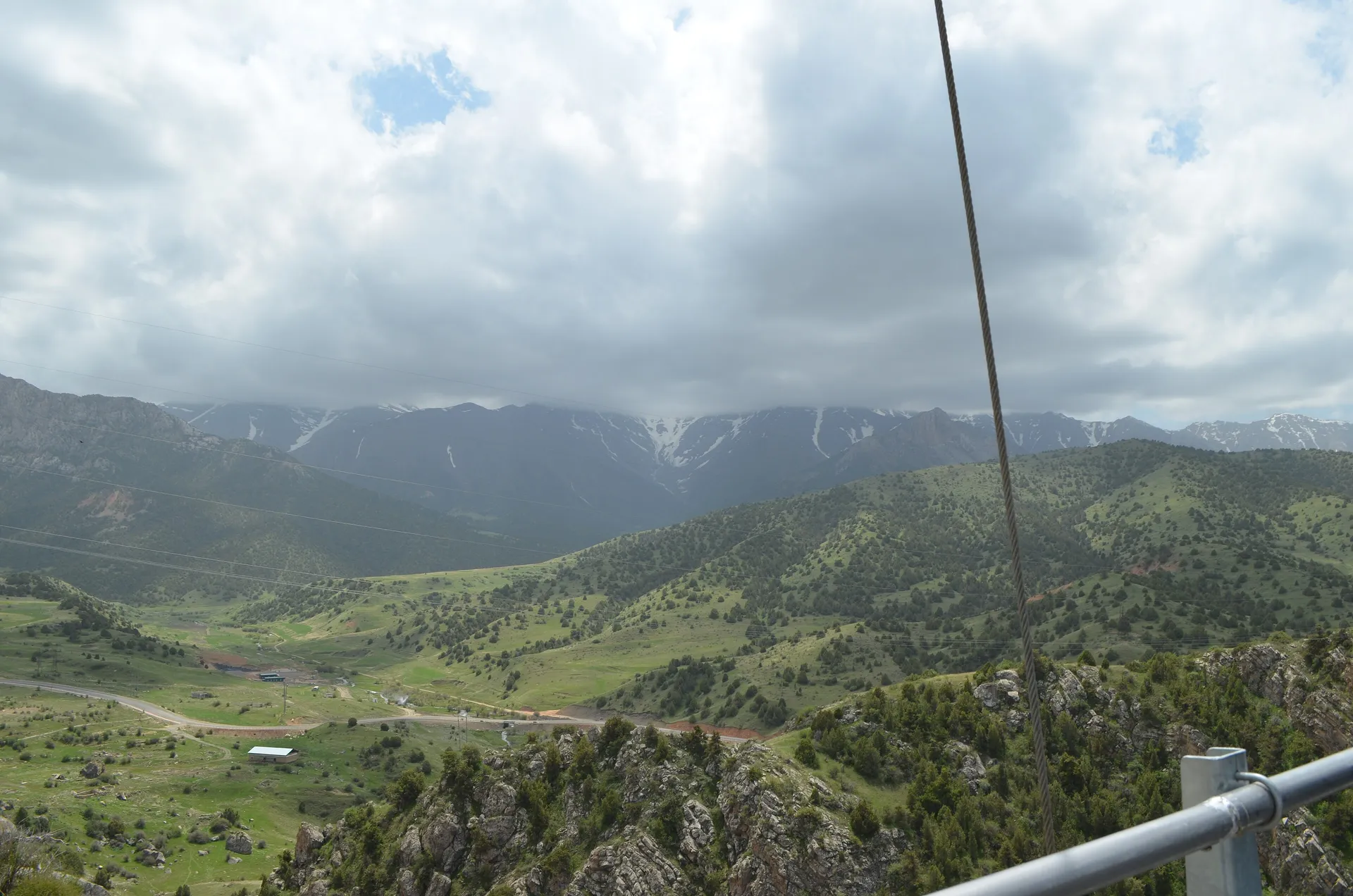
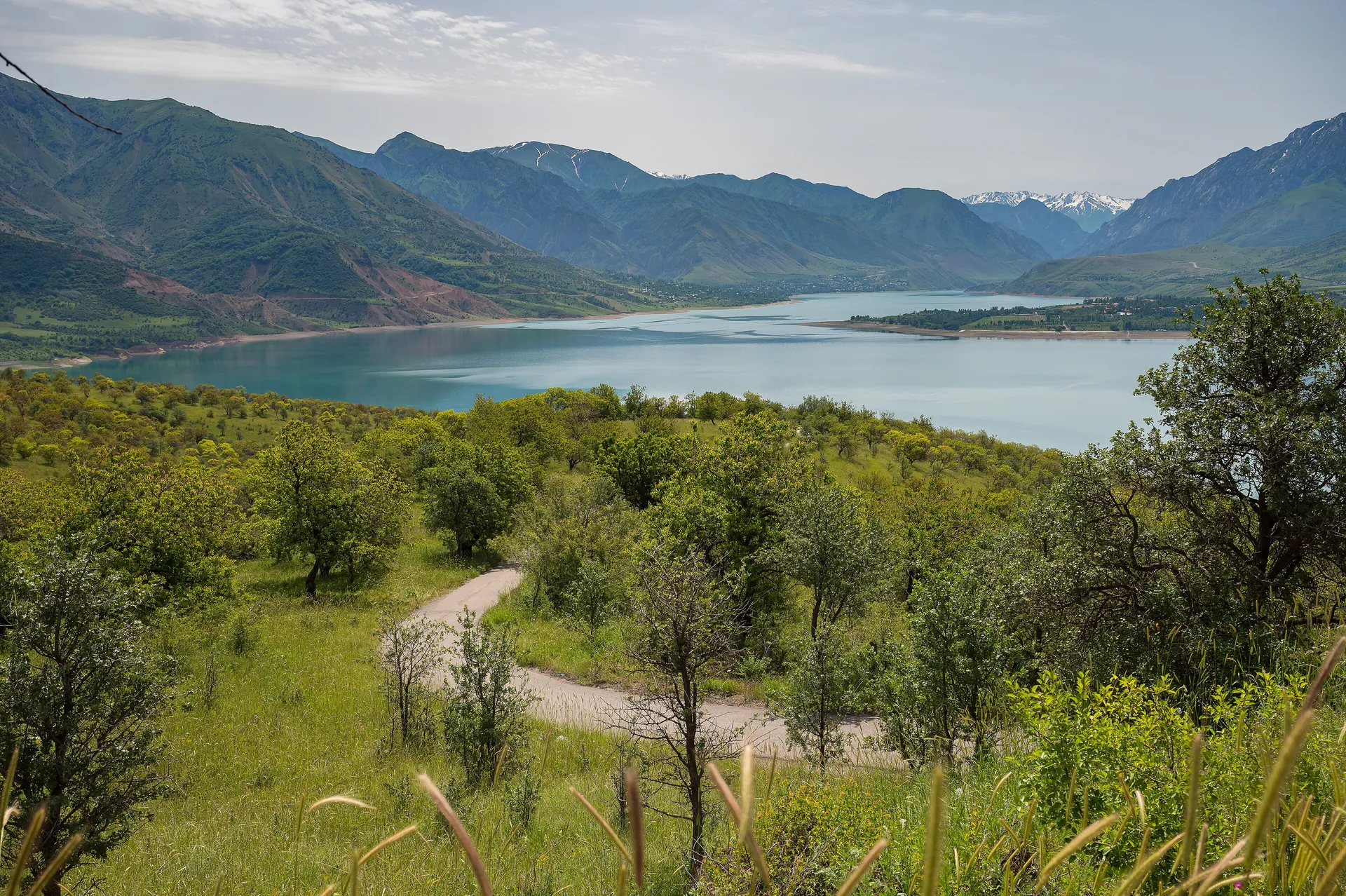
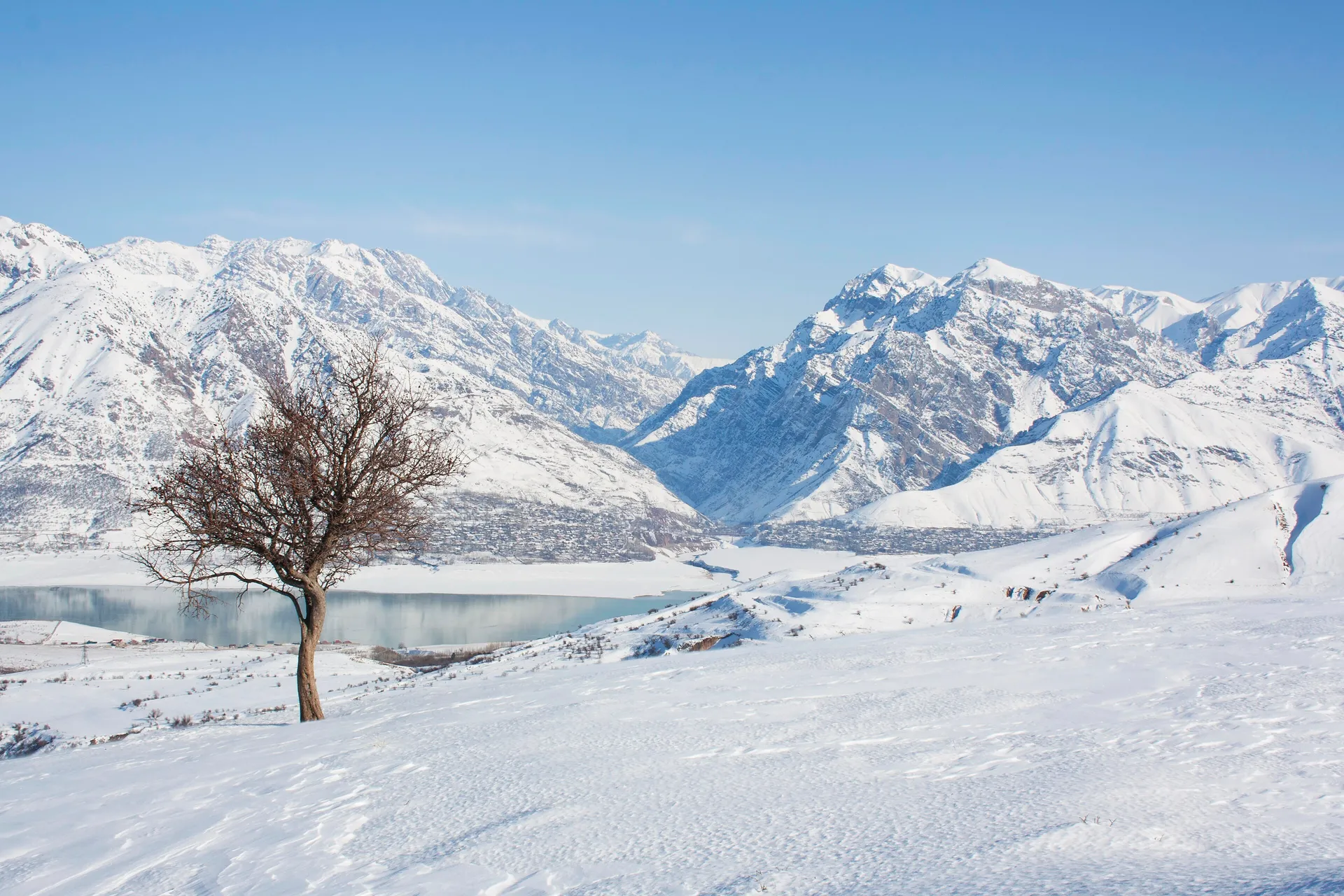
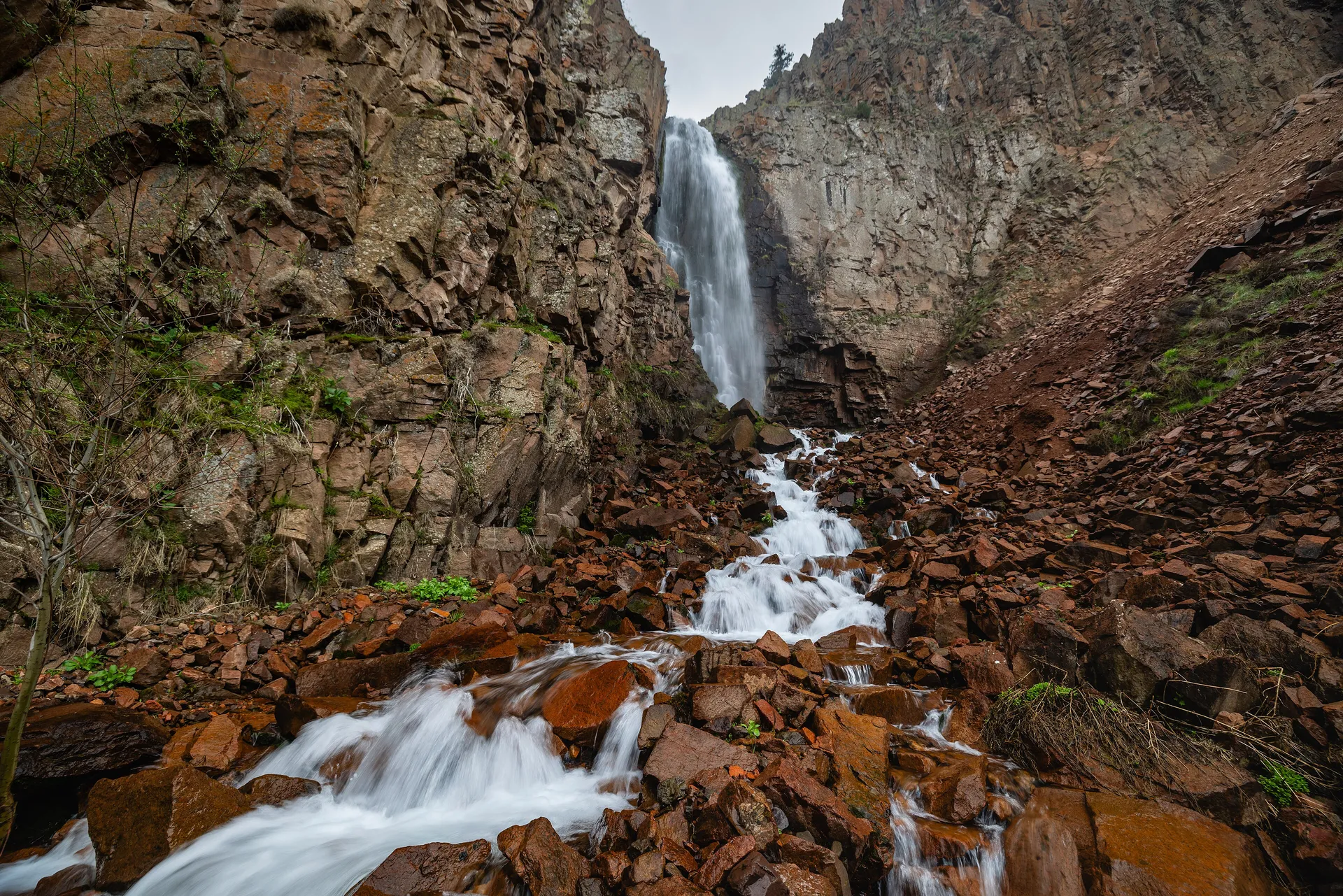
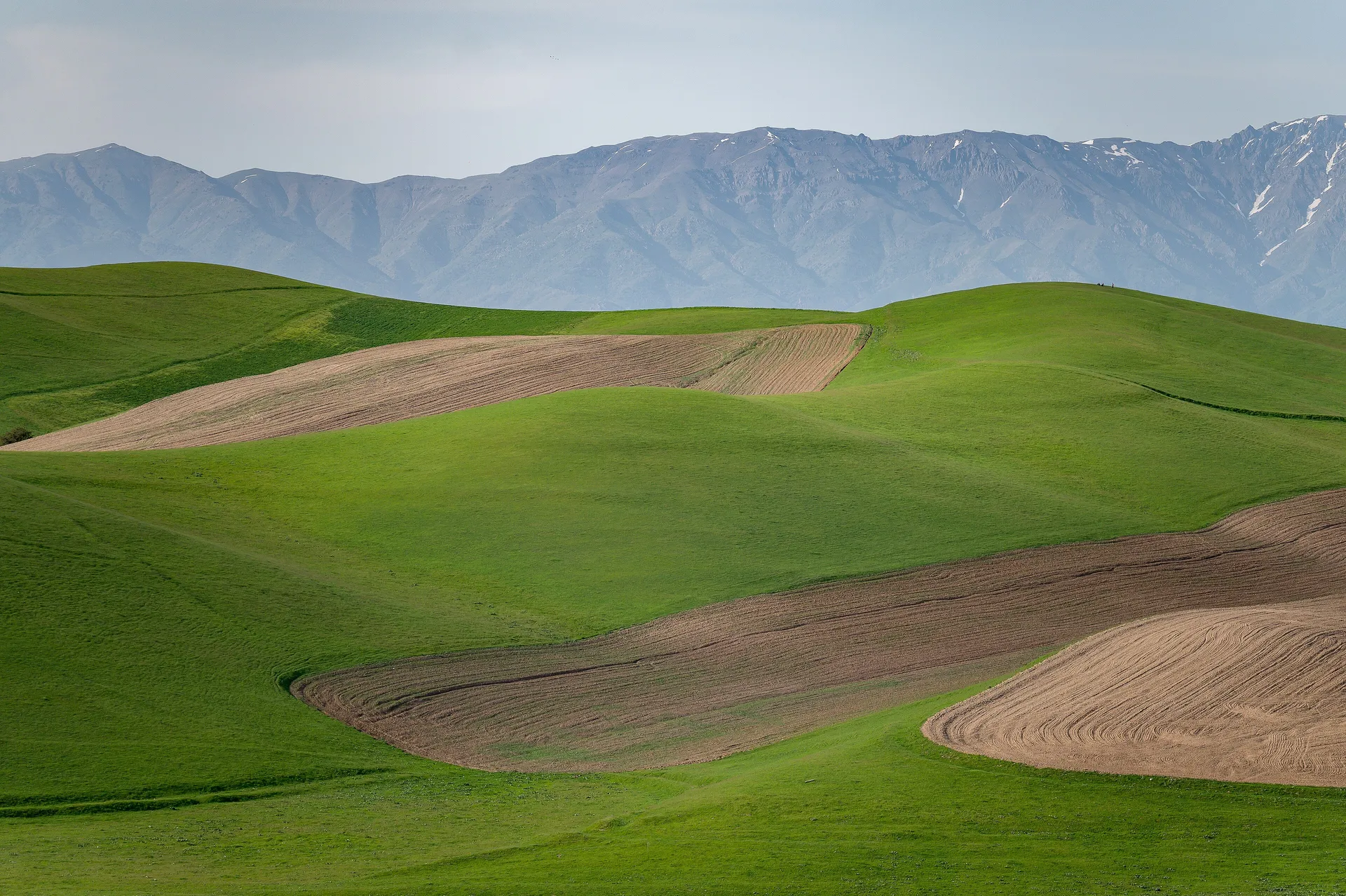
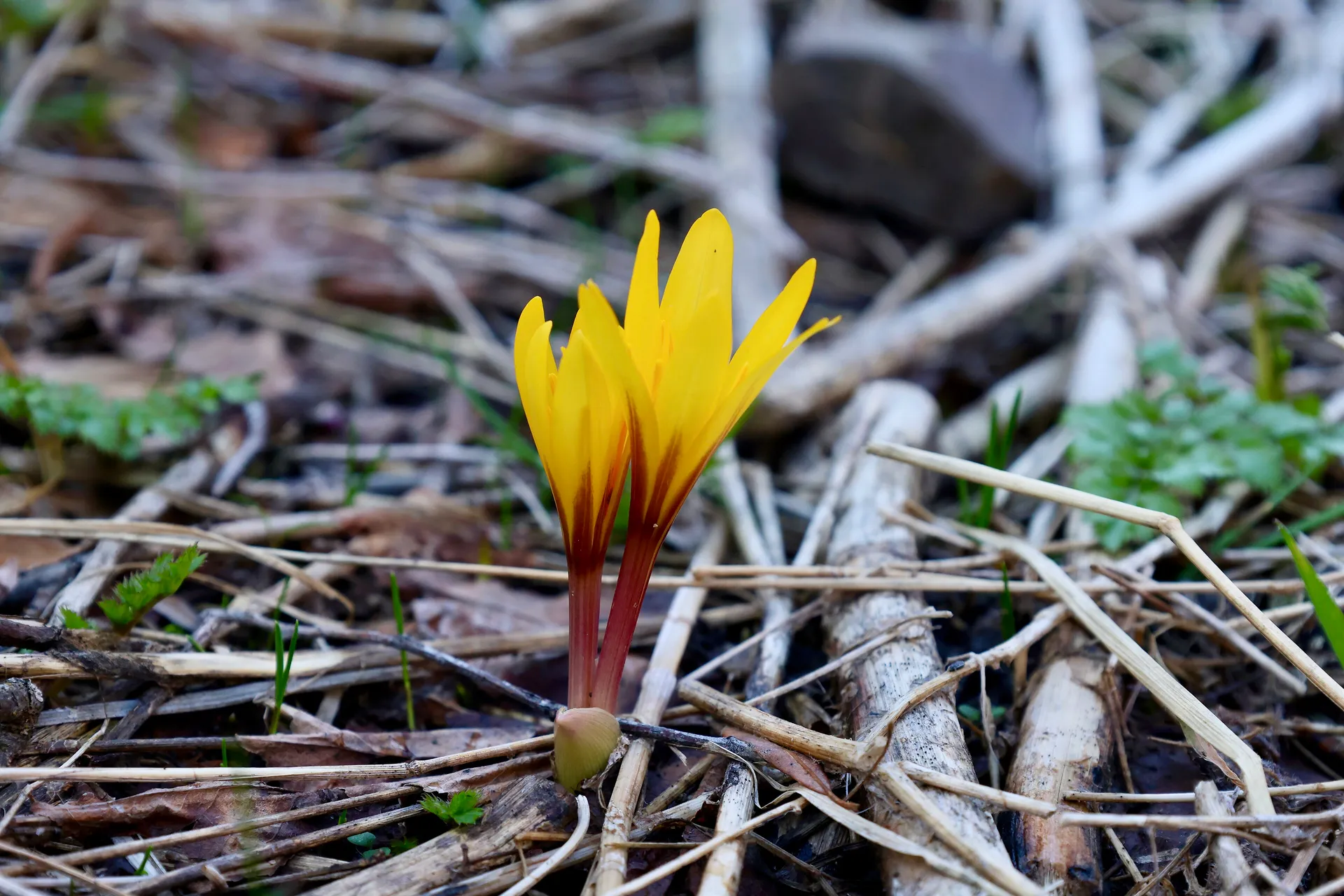
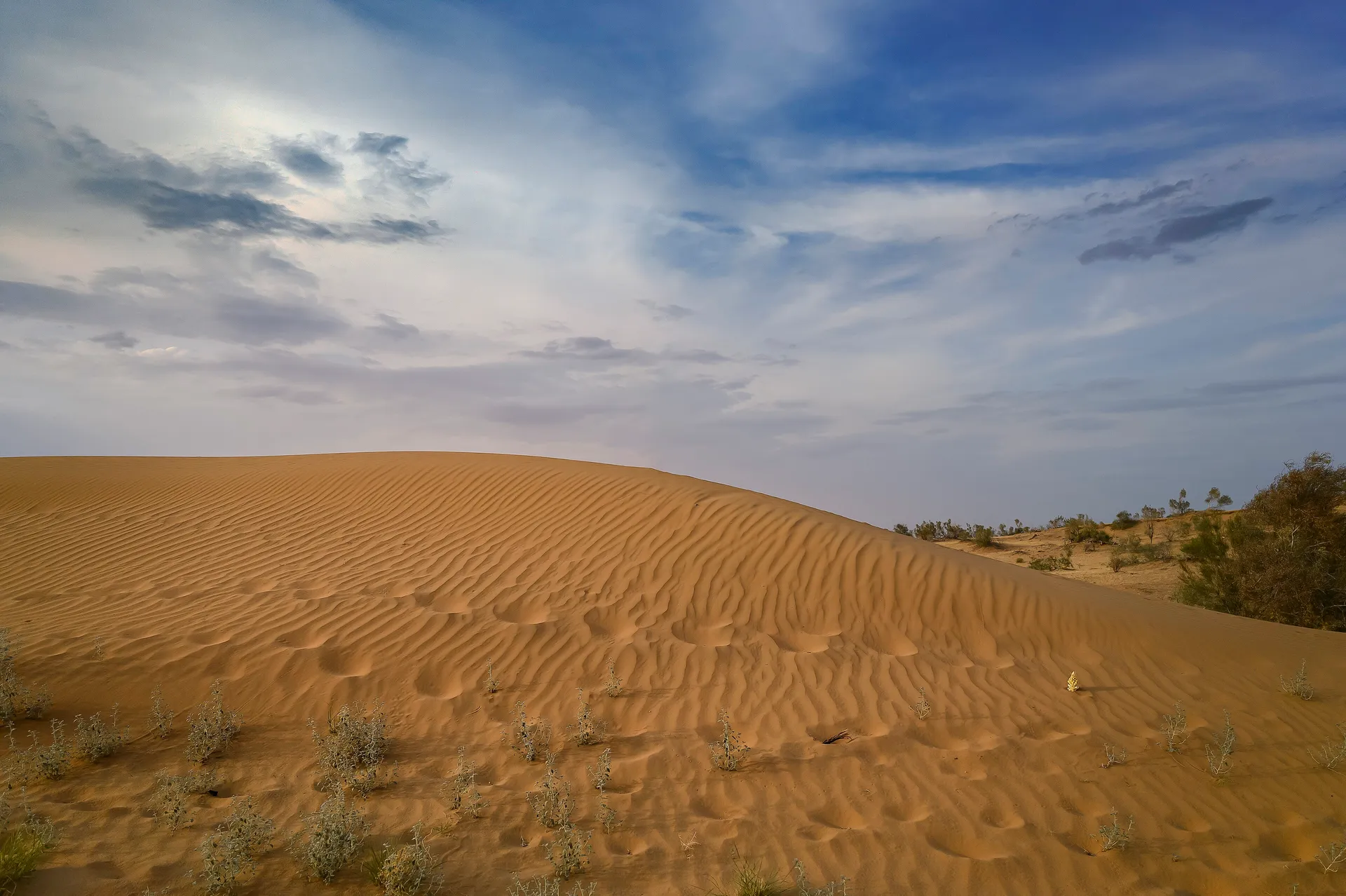
The Kyzylkum — "red sand" — covers much of the centre. In the east the Tian Shan and Gissar-Alay ranges rise fast: Chimgan and the Charvak reservoir are an hour and a half from Tashkent and carry snow into spring. The highest point, Khazret Sultan, reaches 4,643 metres on the Tajik border. The Western Tian Shan was inscribed by UNESCO in 2016. Wildlife includes the Bukhara deer, goitered gazelle, and snow leopard in the high ranges — all under active protection programmes.
The Aral Sea
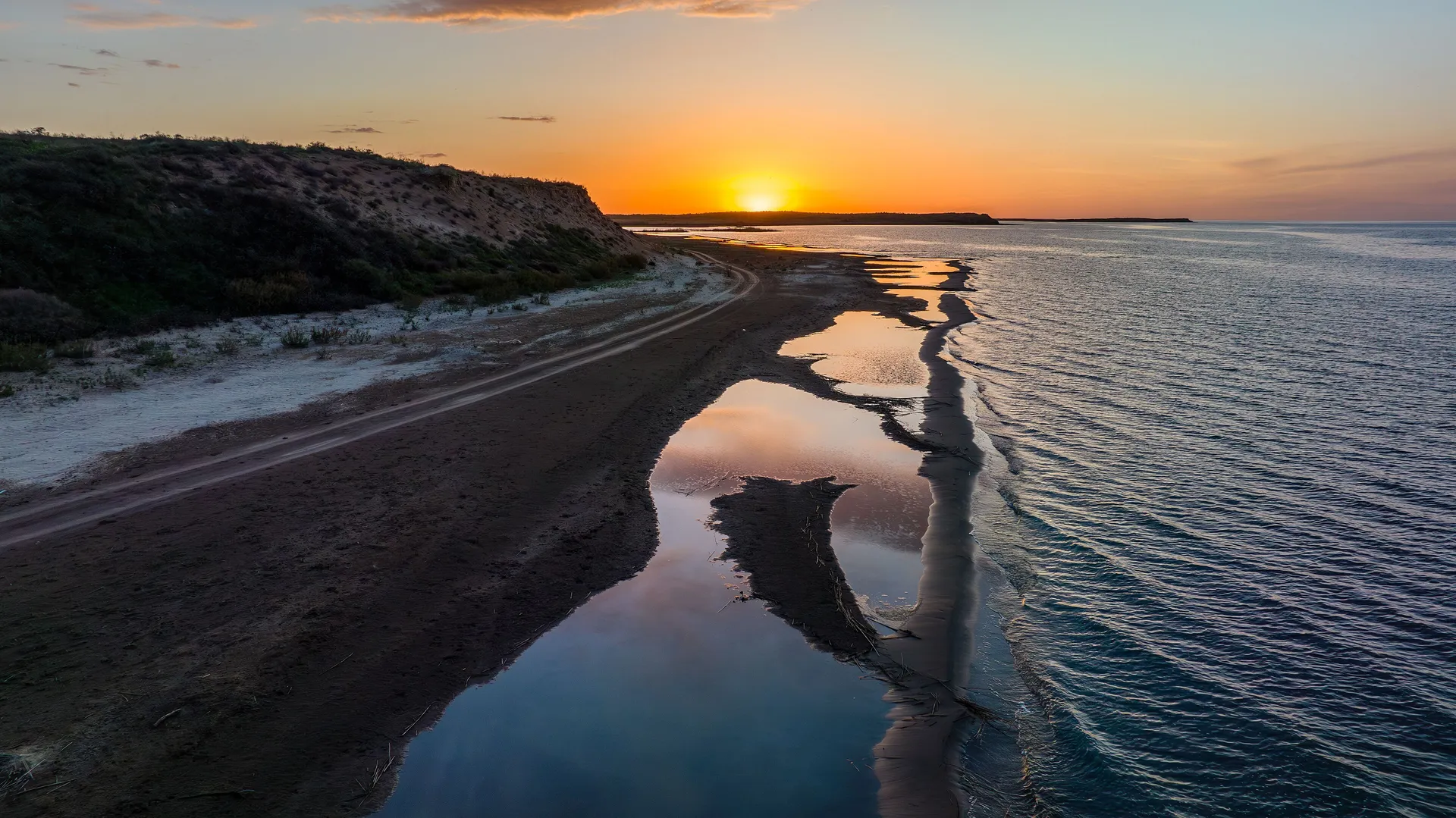
In 1960 the Aral was the fourth-largest lake in the world. Diverting the Amu Darya and Syr Darya to irrigate cotton drained it; by 2014 the eastern basin was dry ground. Moynaq, once a fishing port, now sits well over a hundred kilometres from water, with a line of rusting trawlers on what used to be seabed. The exposed floor became the Aralkum, the newest desert on earth. Uzbekistan has planted saxaul over more than a million hectares of it to hold down the salt dust.
Highlights
- Uzbekistan and Liechtenstein are the world's only two doubly landlocked countries
- Khazret Sultan, 4,643 m, is the highest point in the country
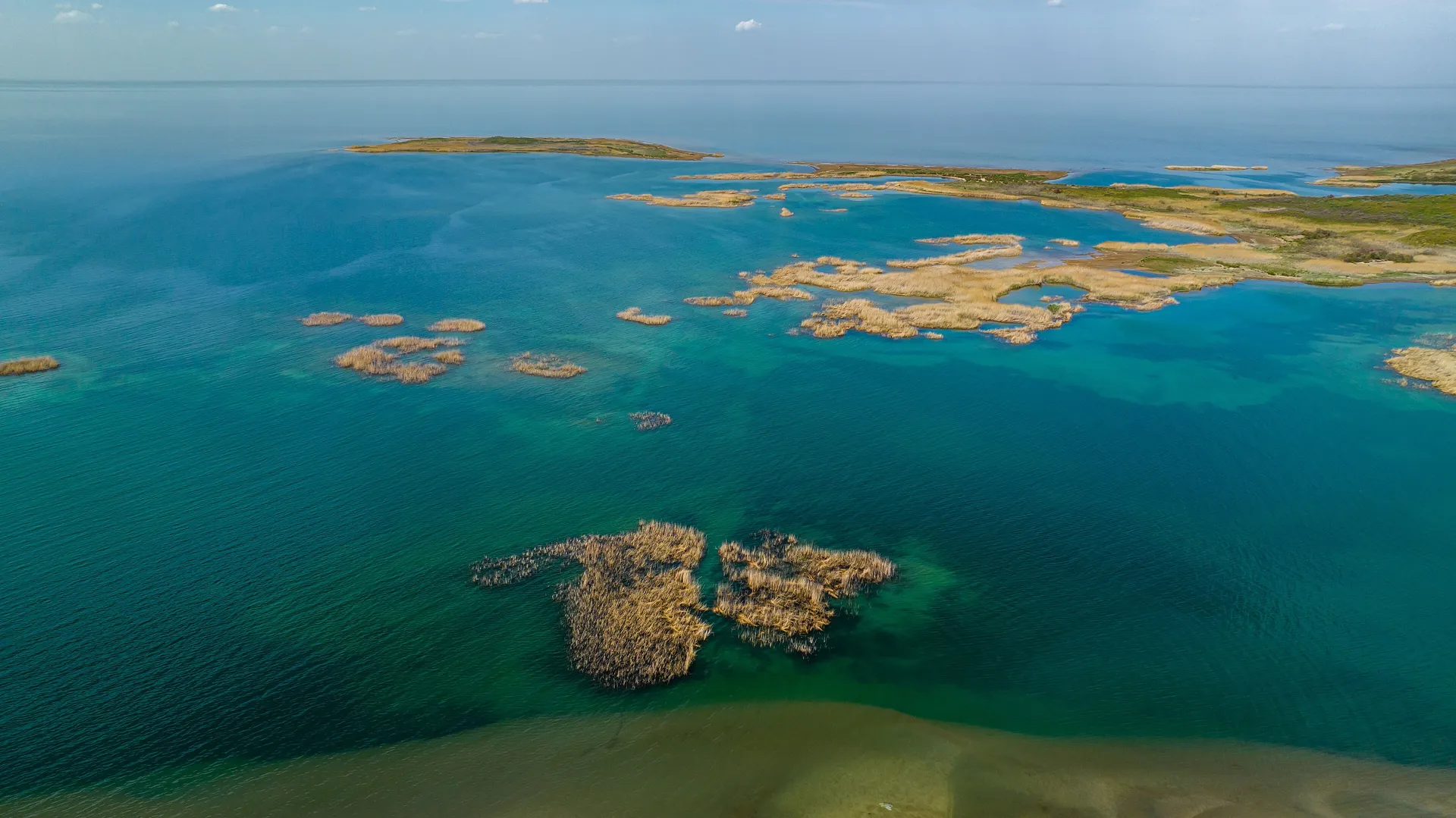
- Lake Aydarkul was created by accident in 1969 when the Syr Darya overflowed a reservoir
- The Aralkum, on the dried bed of the Aral Sea, is the youngest desert on the planet