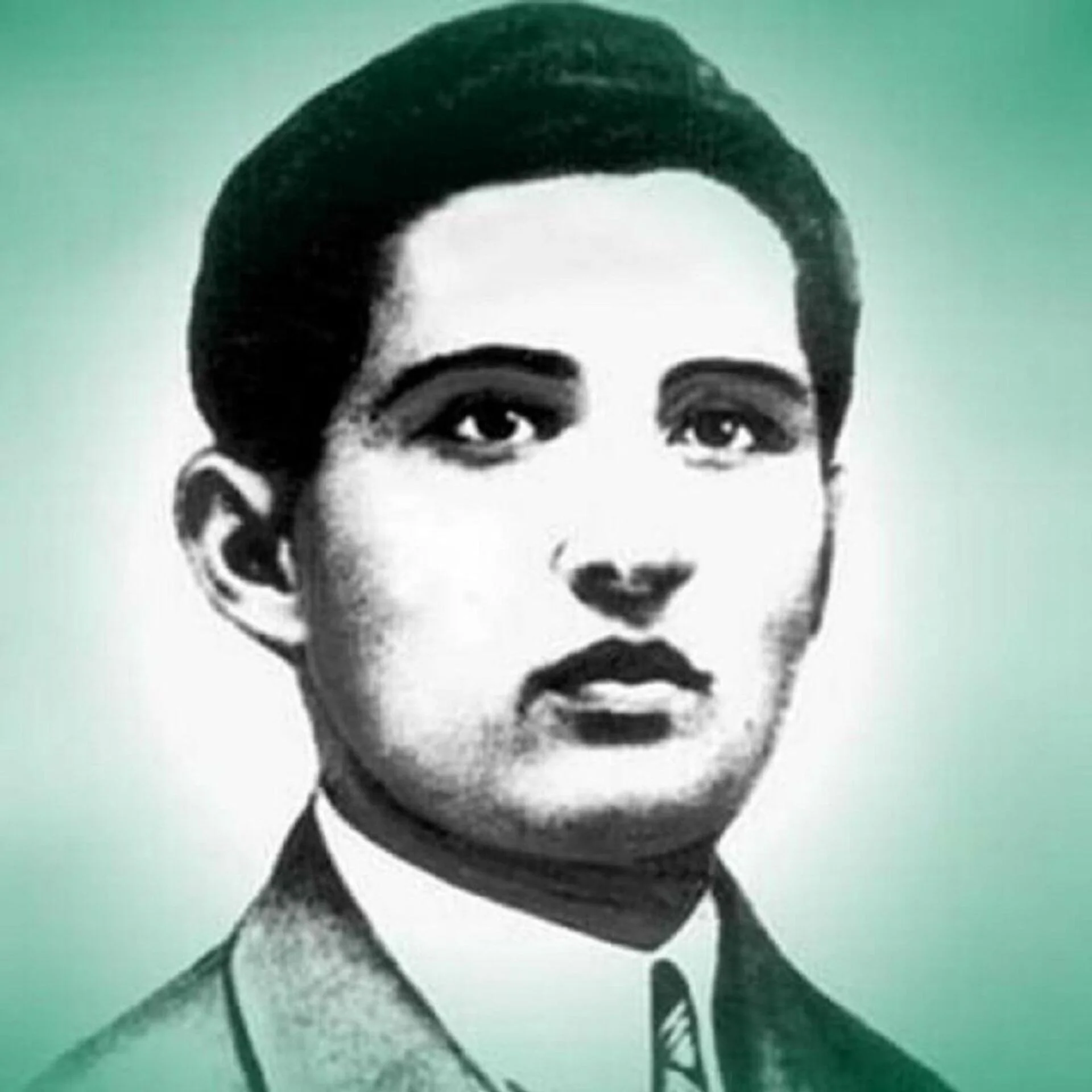
A poet who set out to prove his language was enough
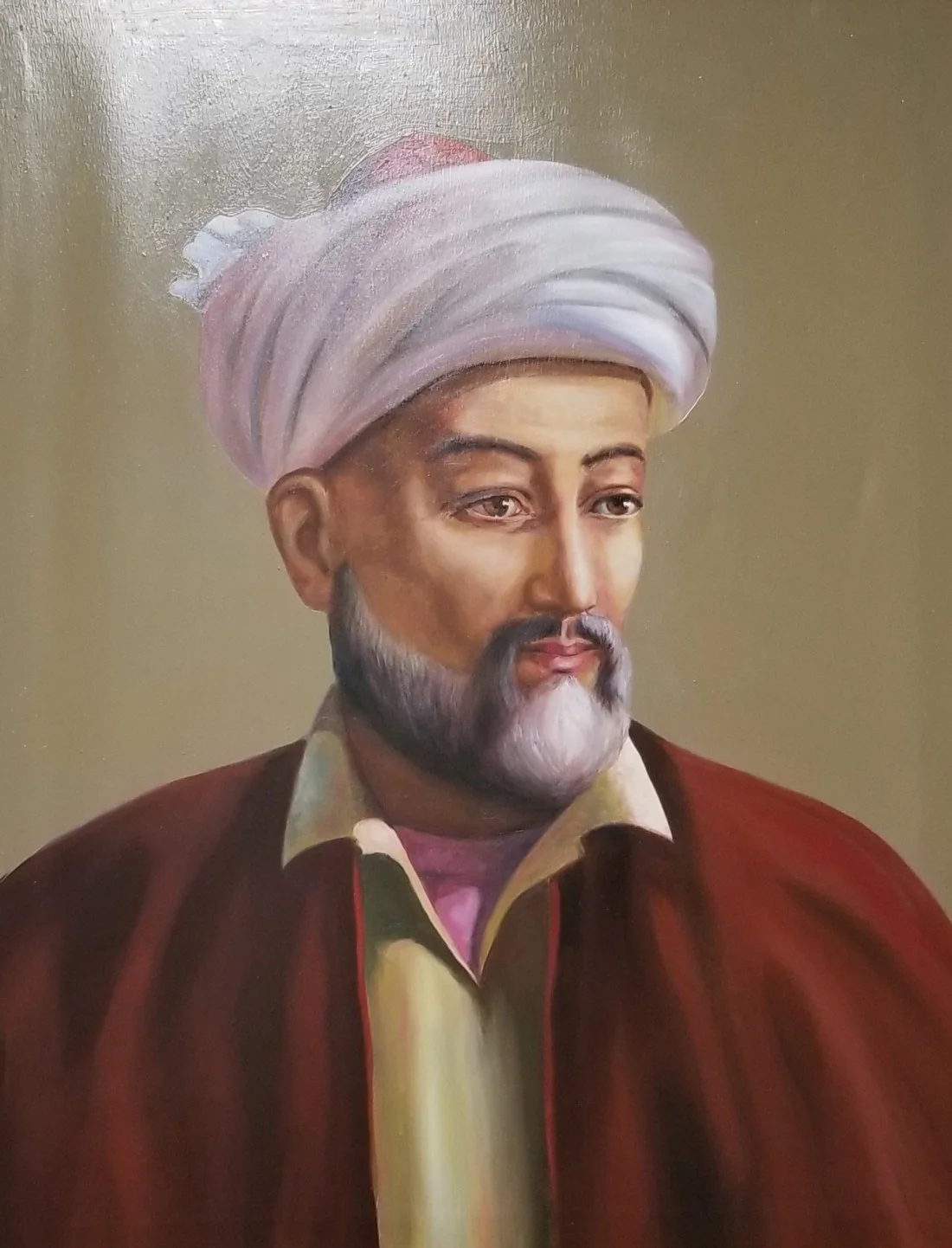
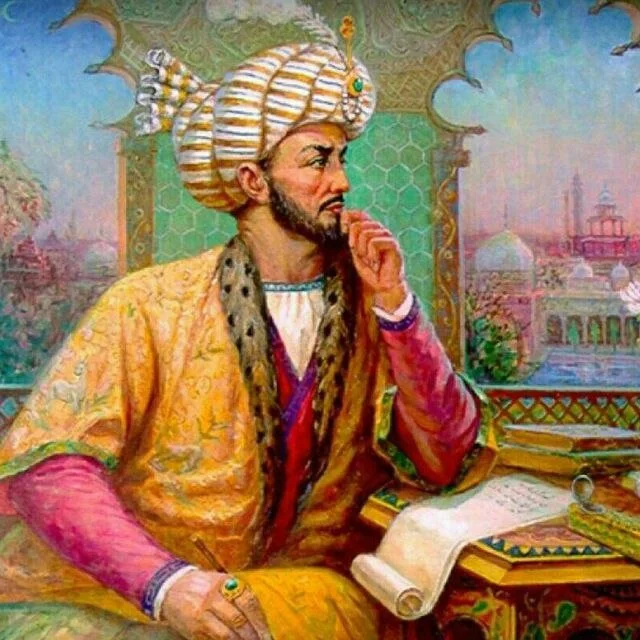
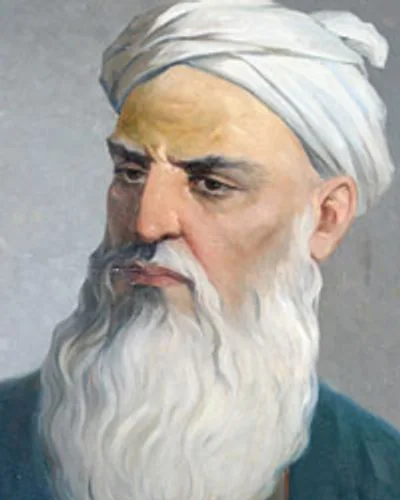
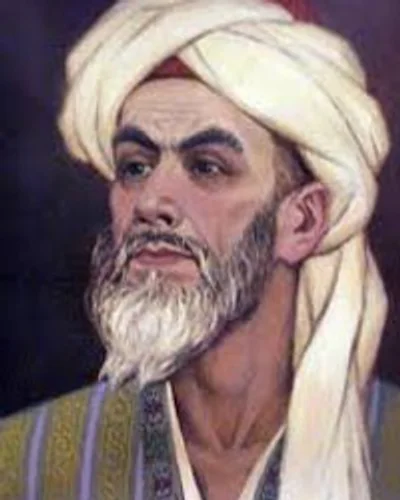
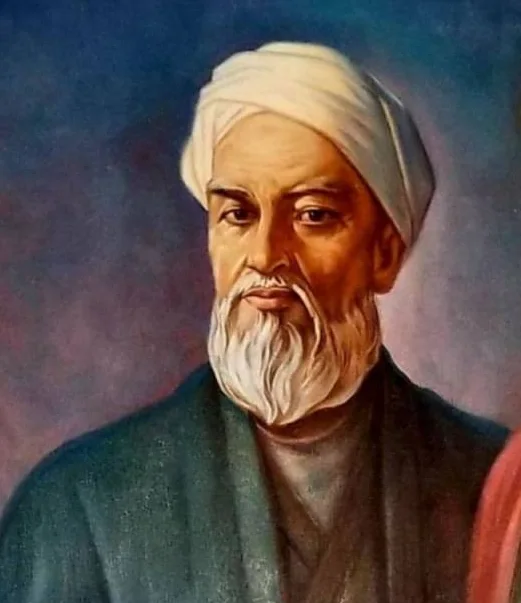
In the fifteenth century, serious literature in this region meant Persian. Alisher Navoi spent a career demonstrating that Chagatai Turkic could carry anything Persian could — and then wrote a book arguing the case directly.
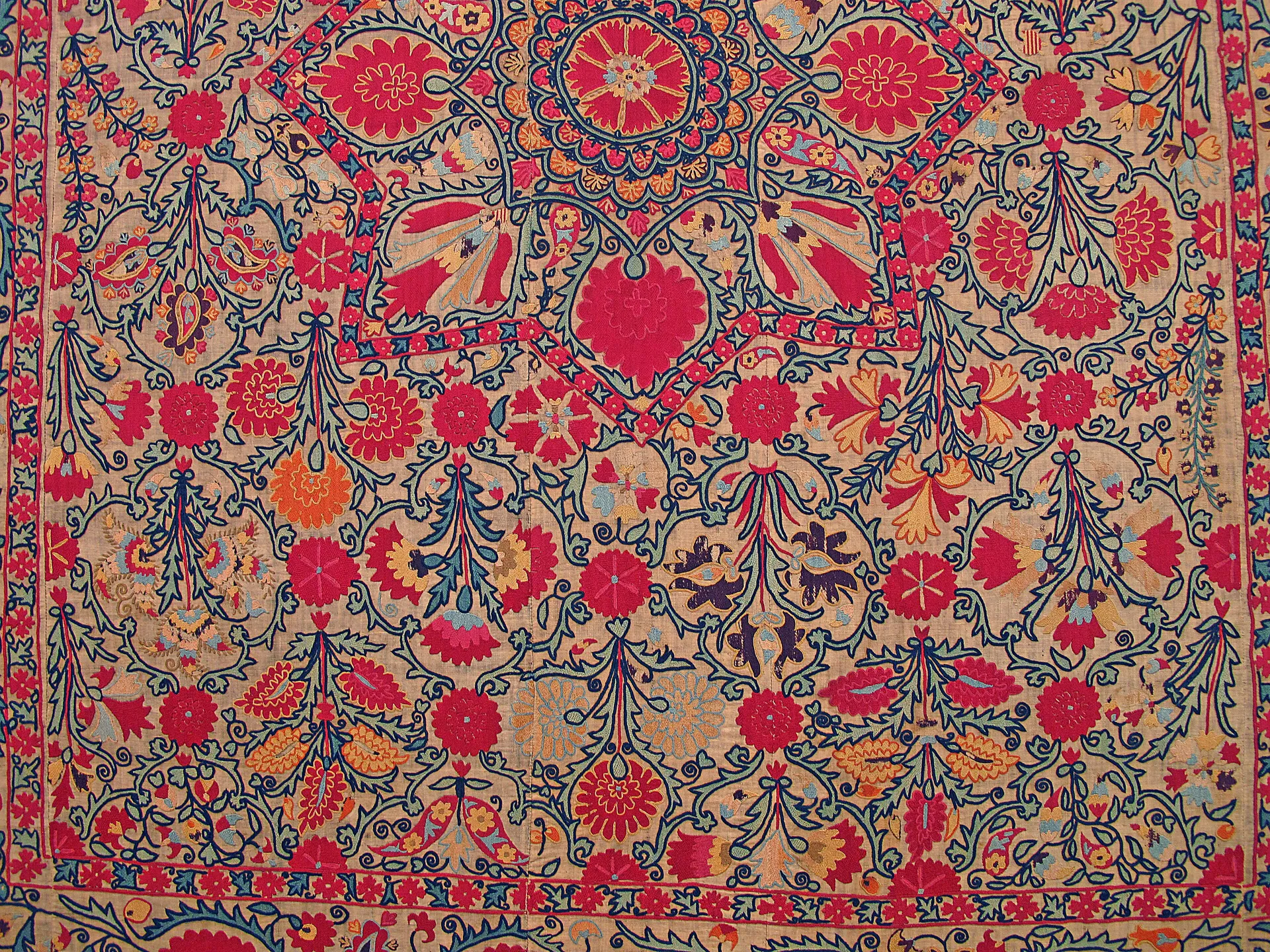
Suzani
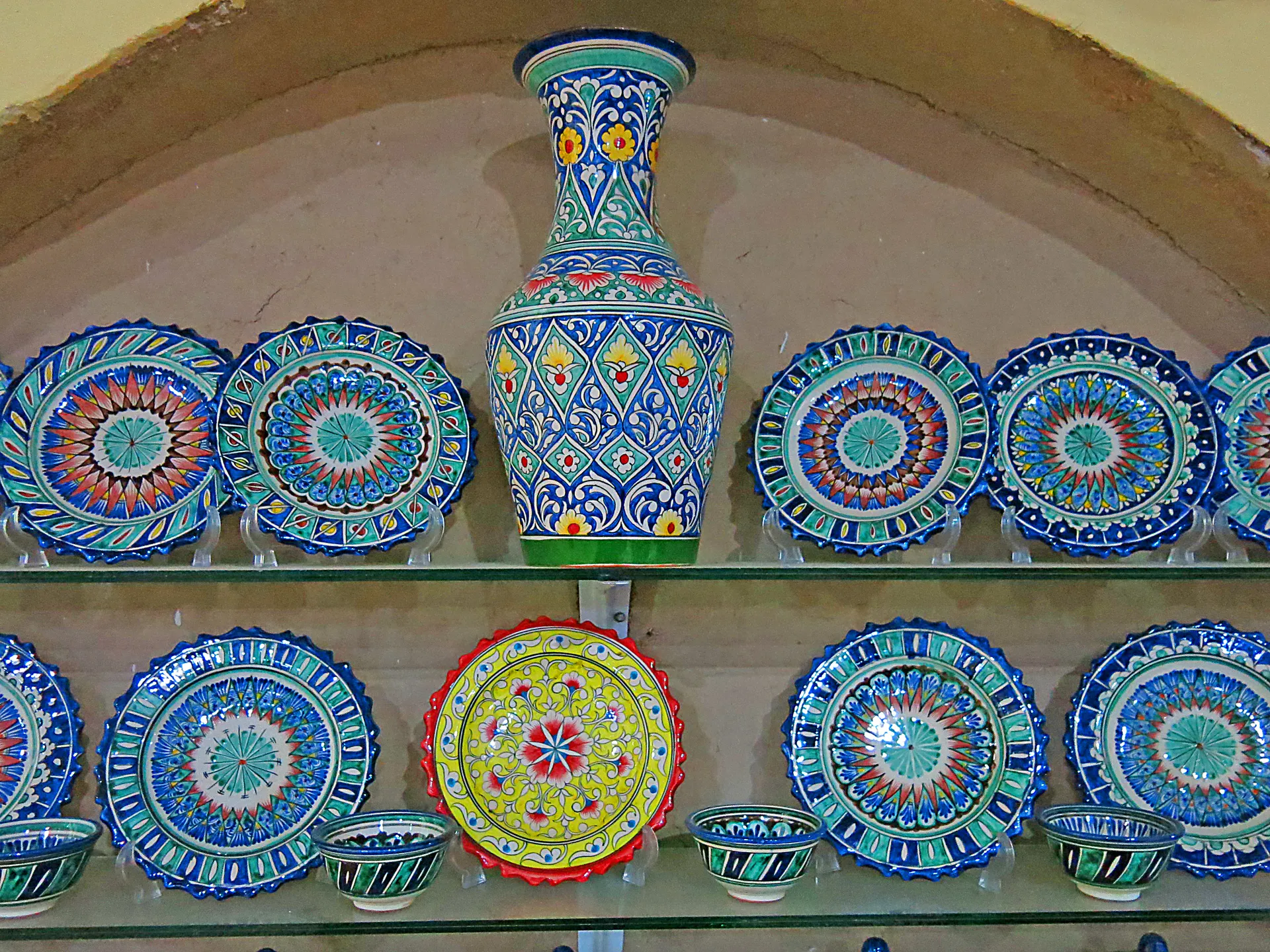
Rishtan ceramics
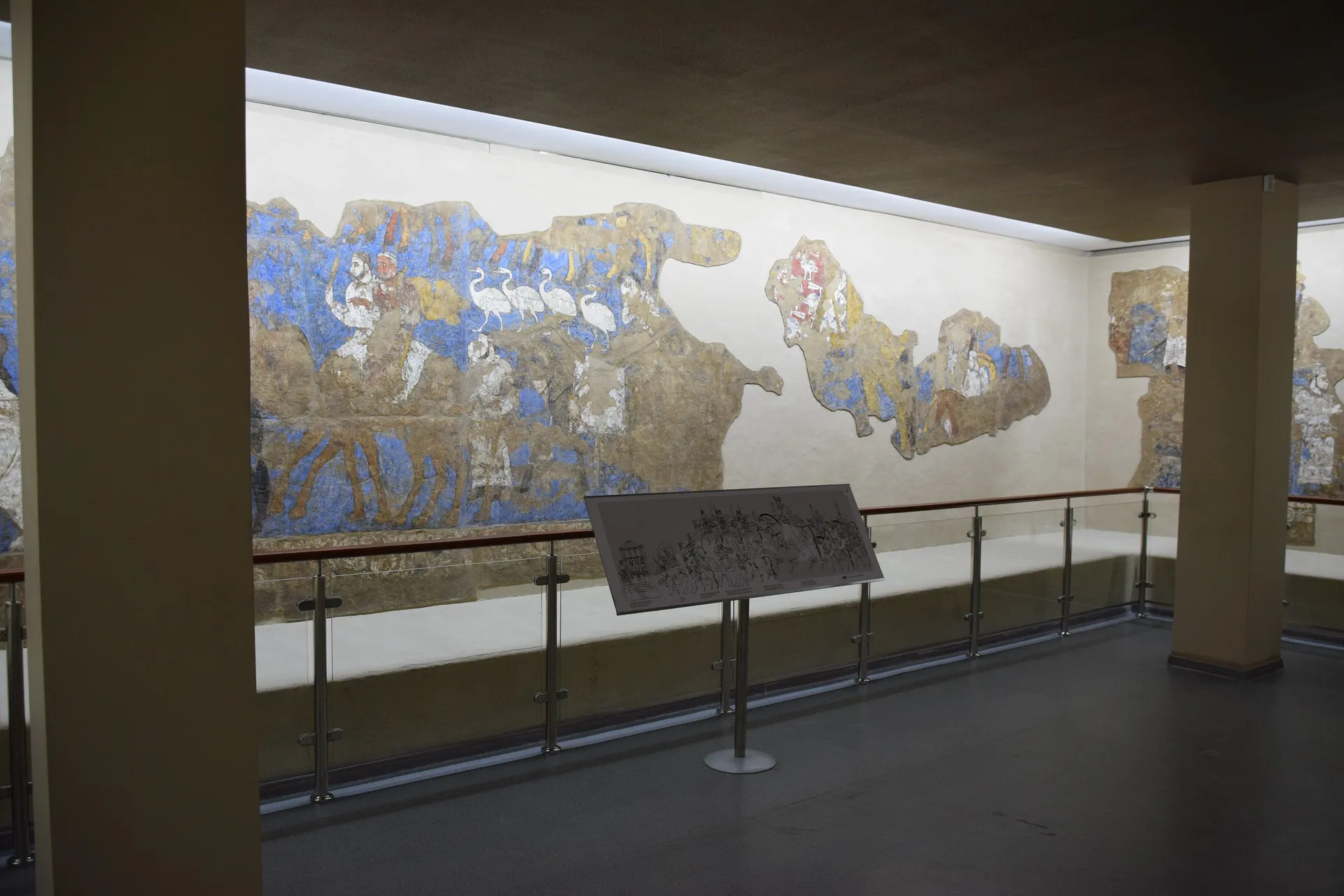
The Afrasiyab murals
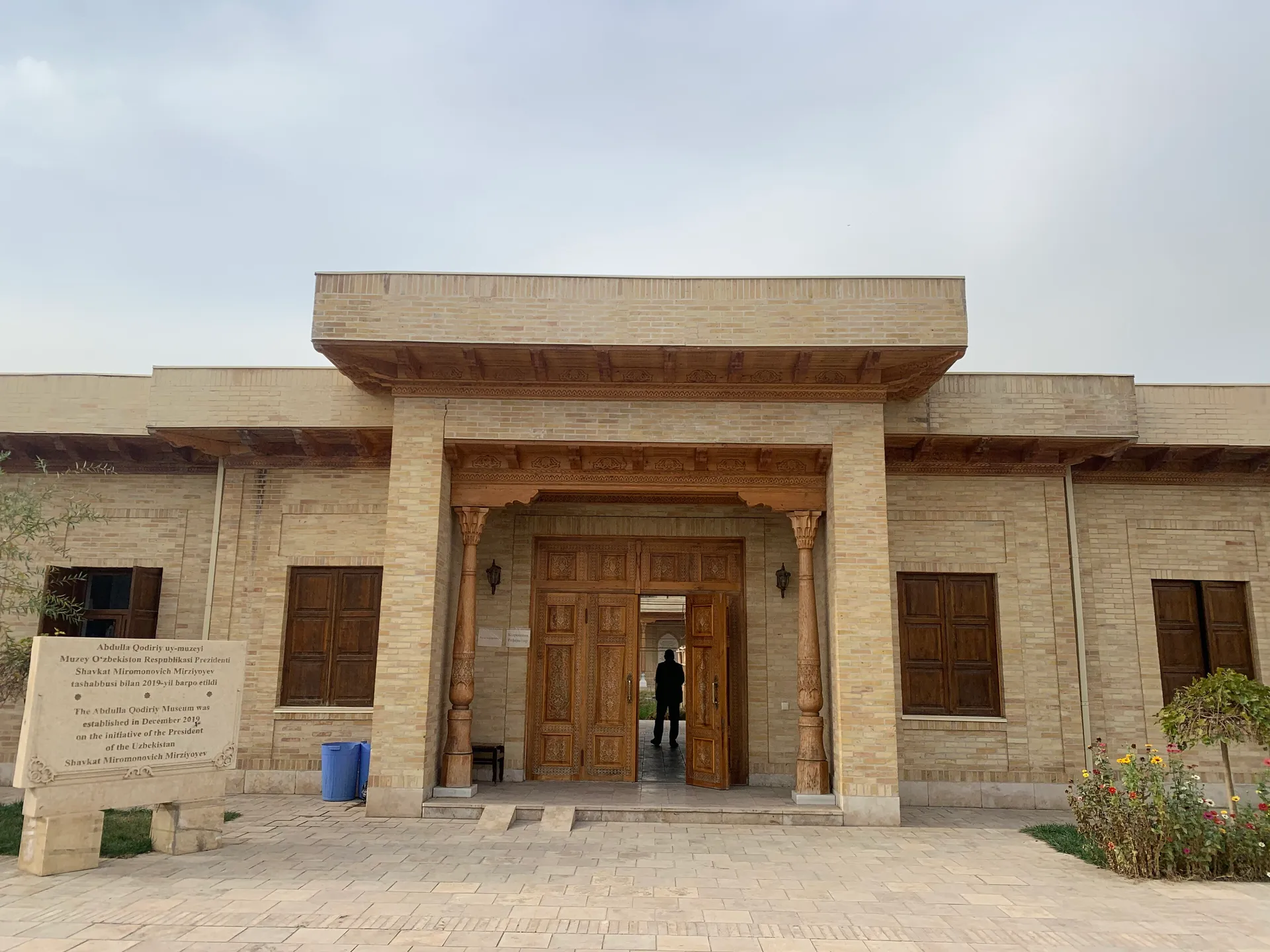
Abdulla Qodiriy's house museum
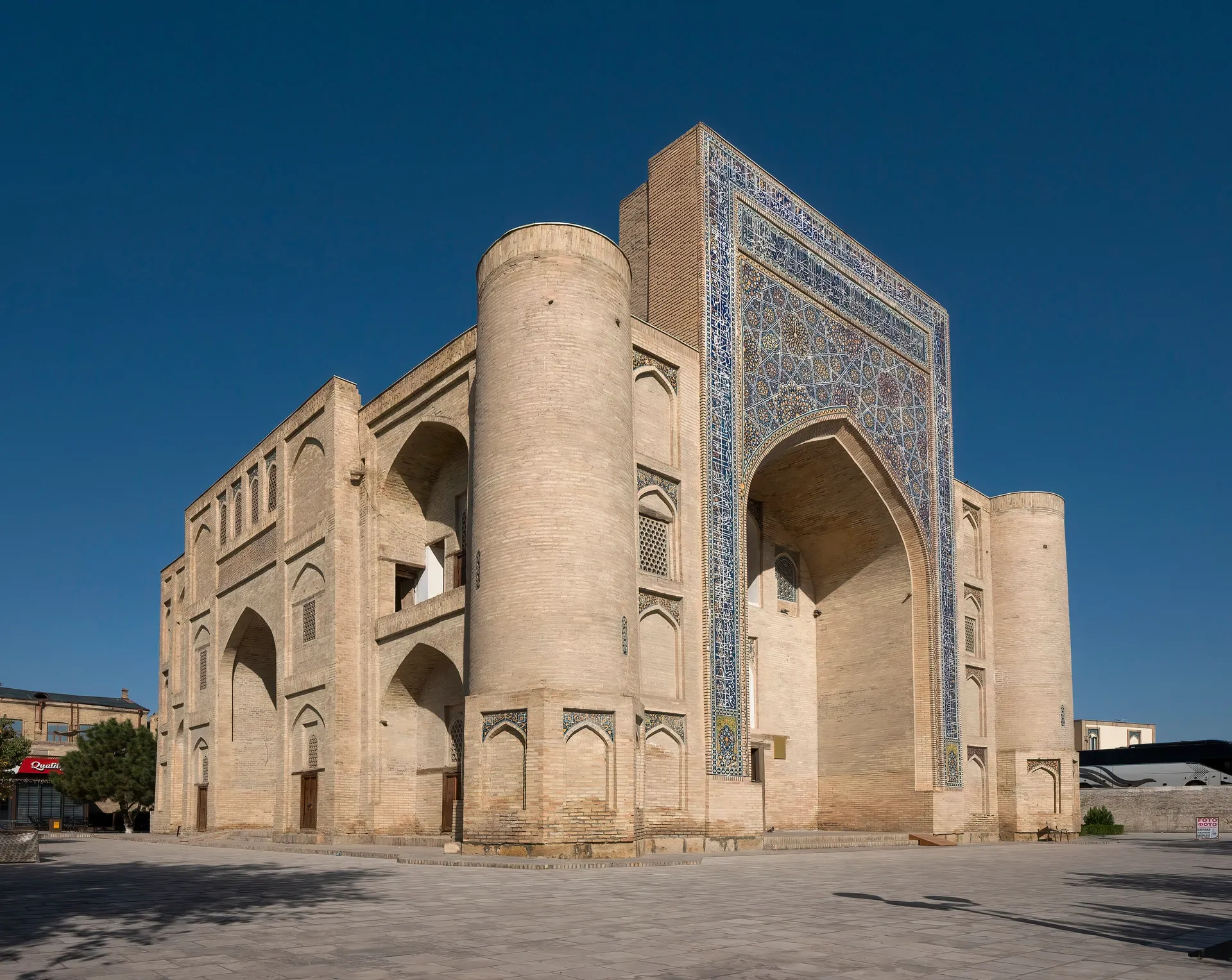
Nadir Divan-Begi khanqah
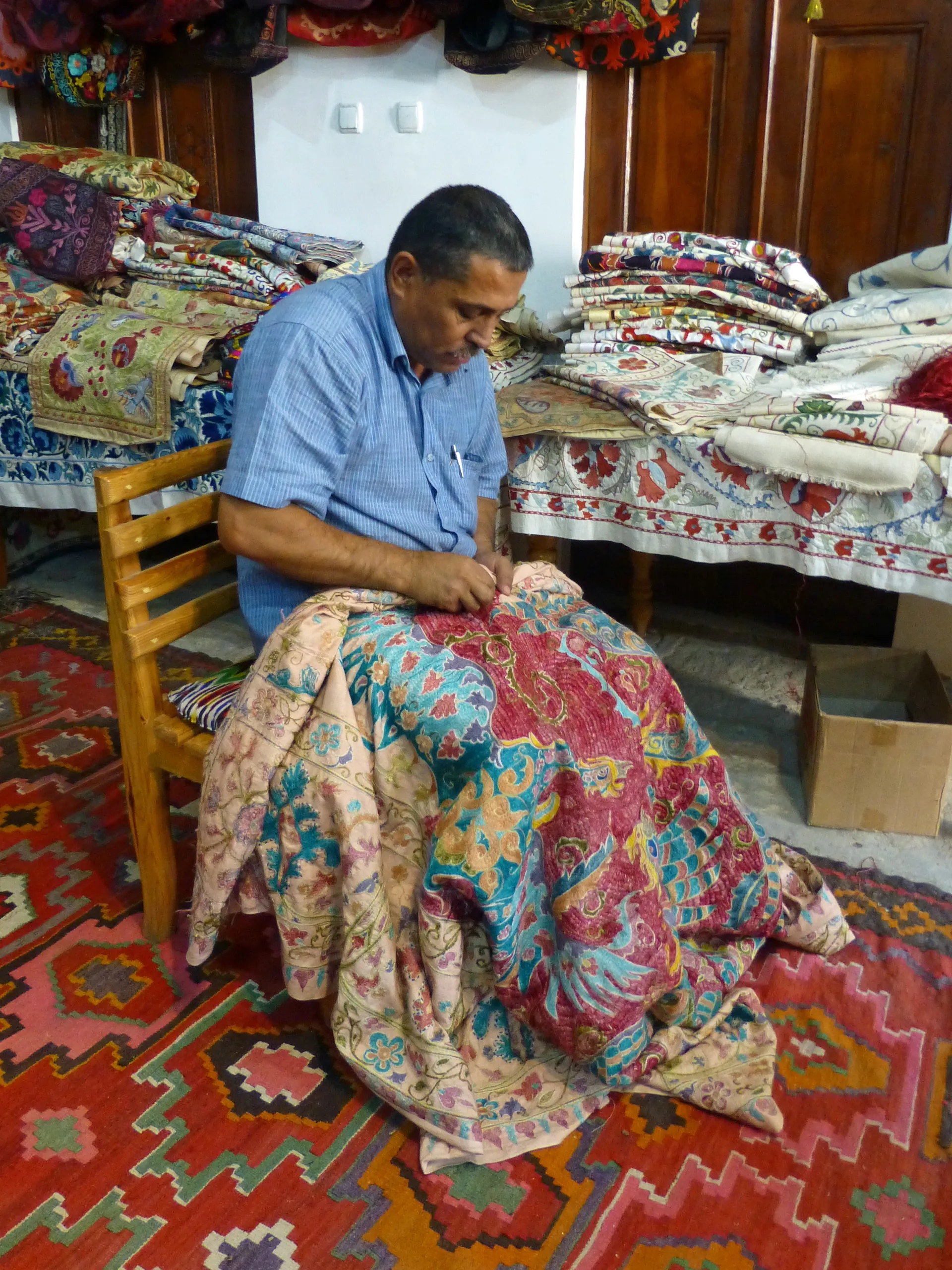
A suzani embroiderer, Bukhara
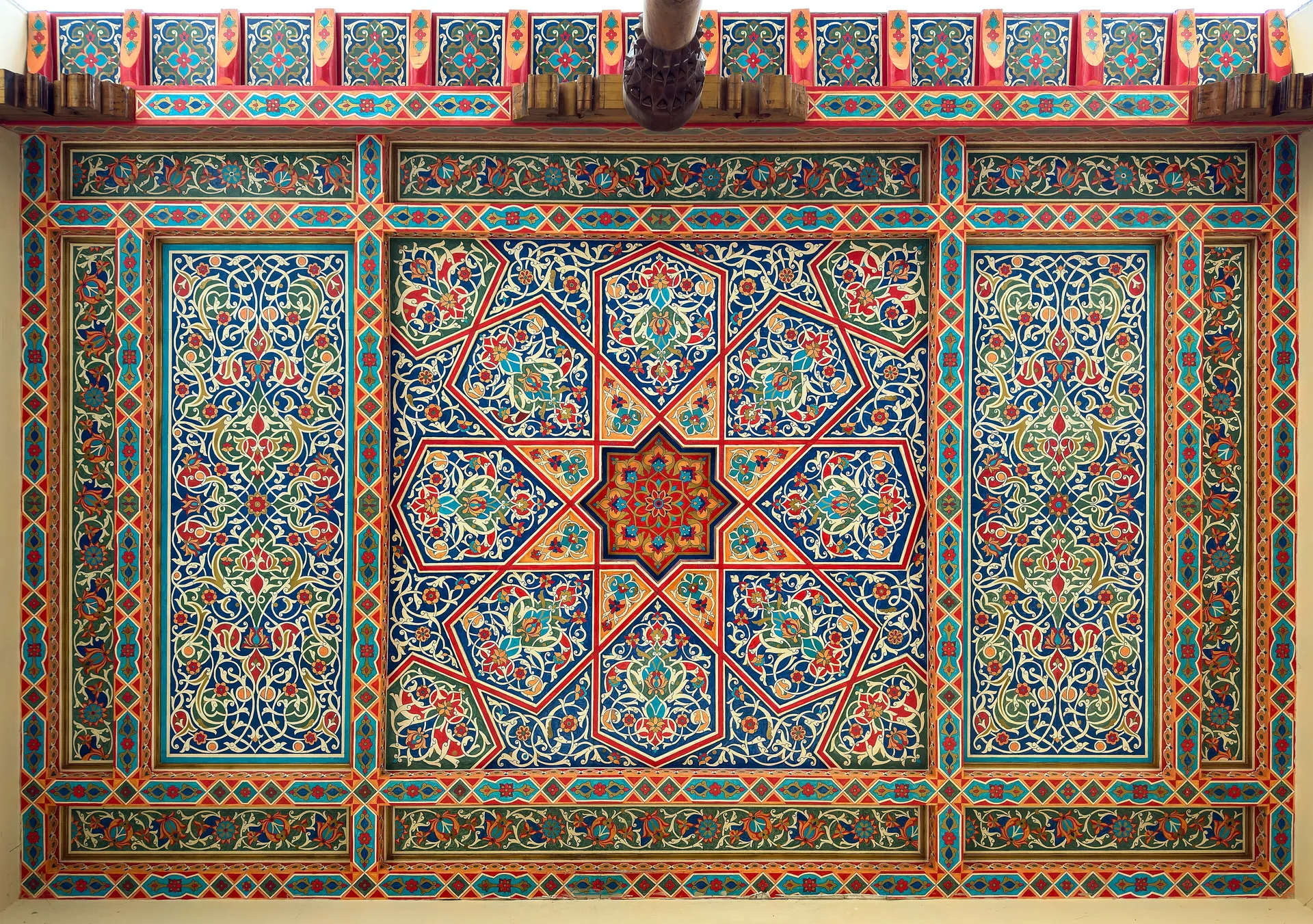
A painted ceiling
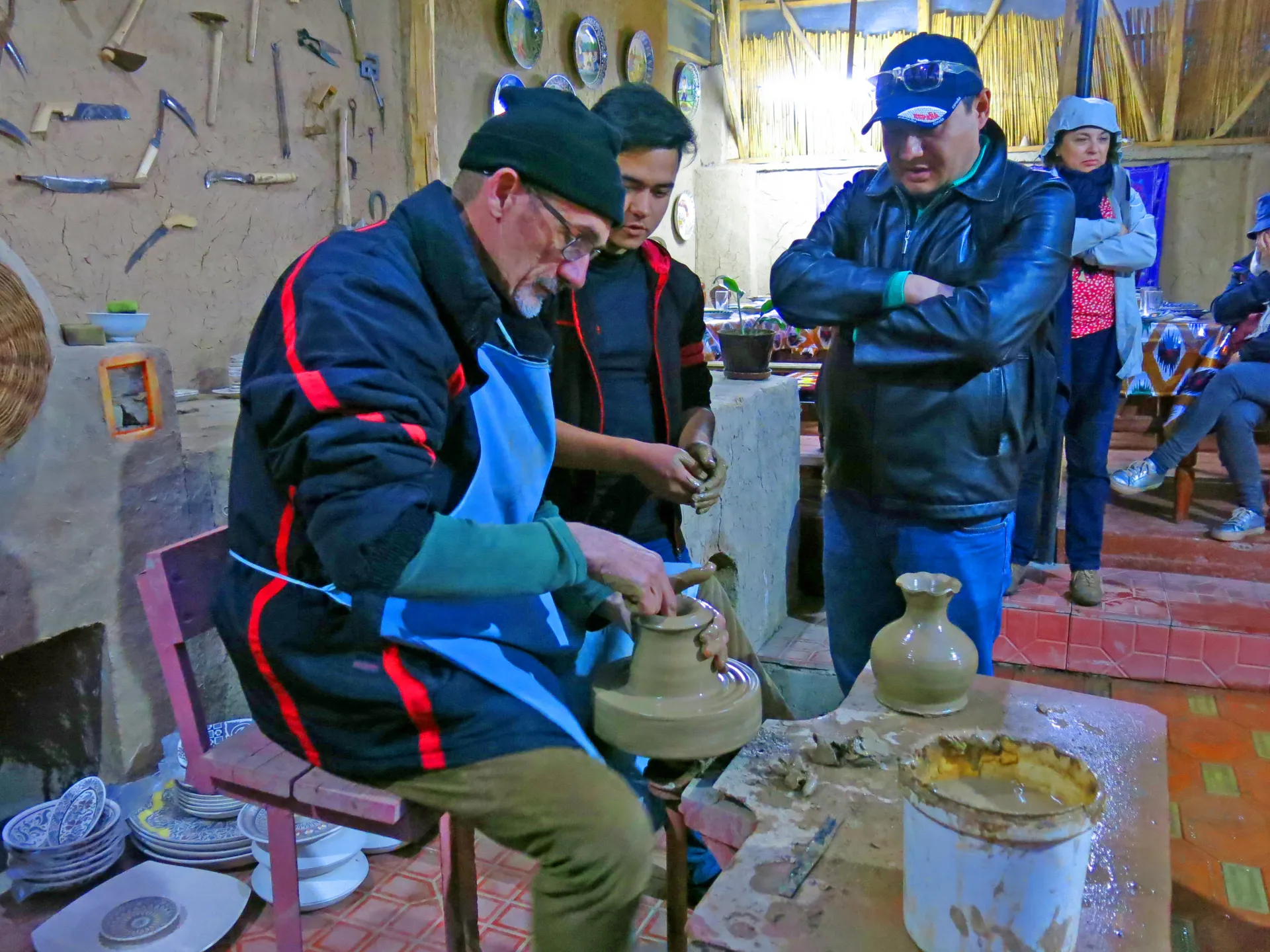
A Rishtan potter at the wheel
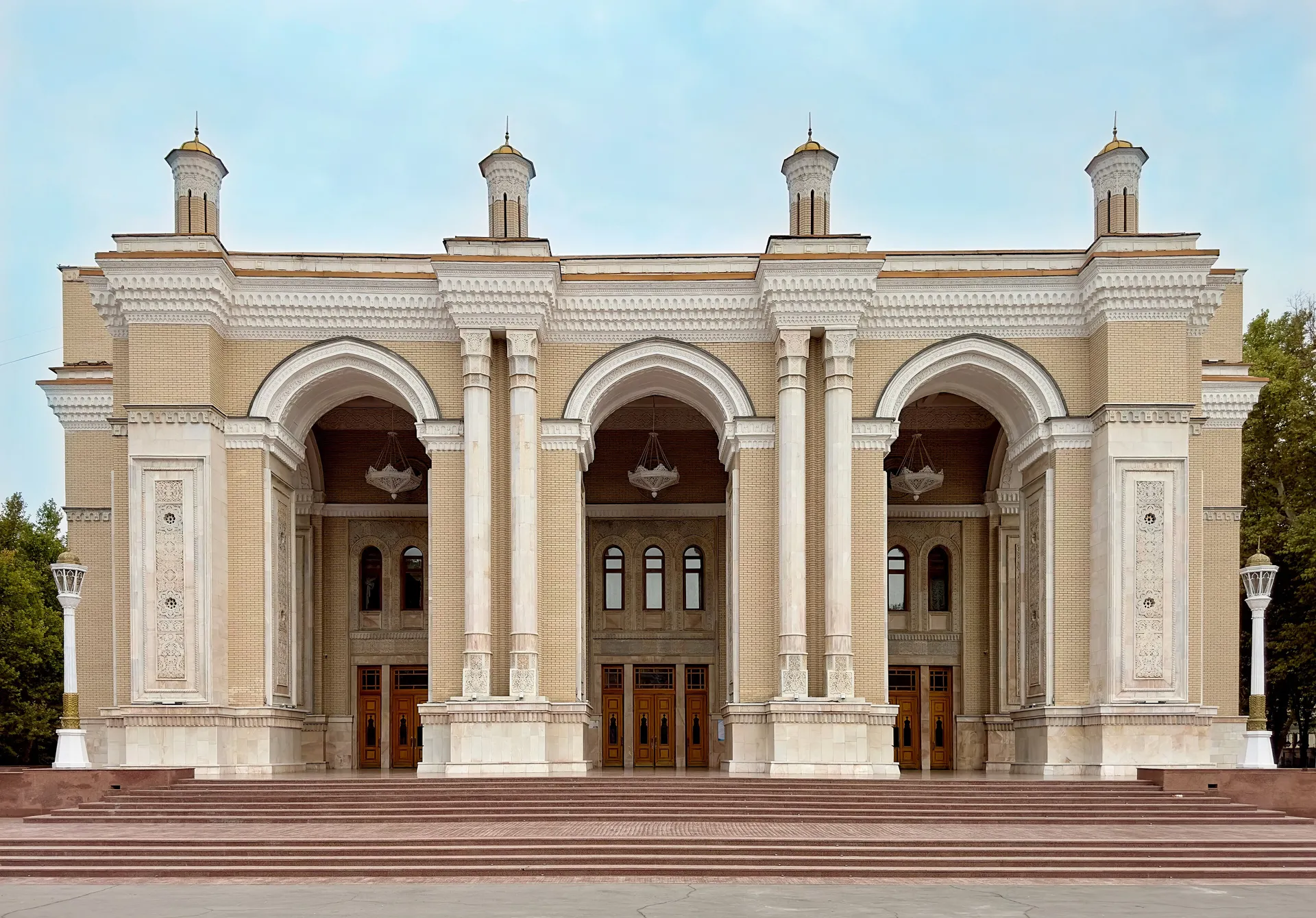
The Alisher Navoi Theatre
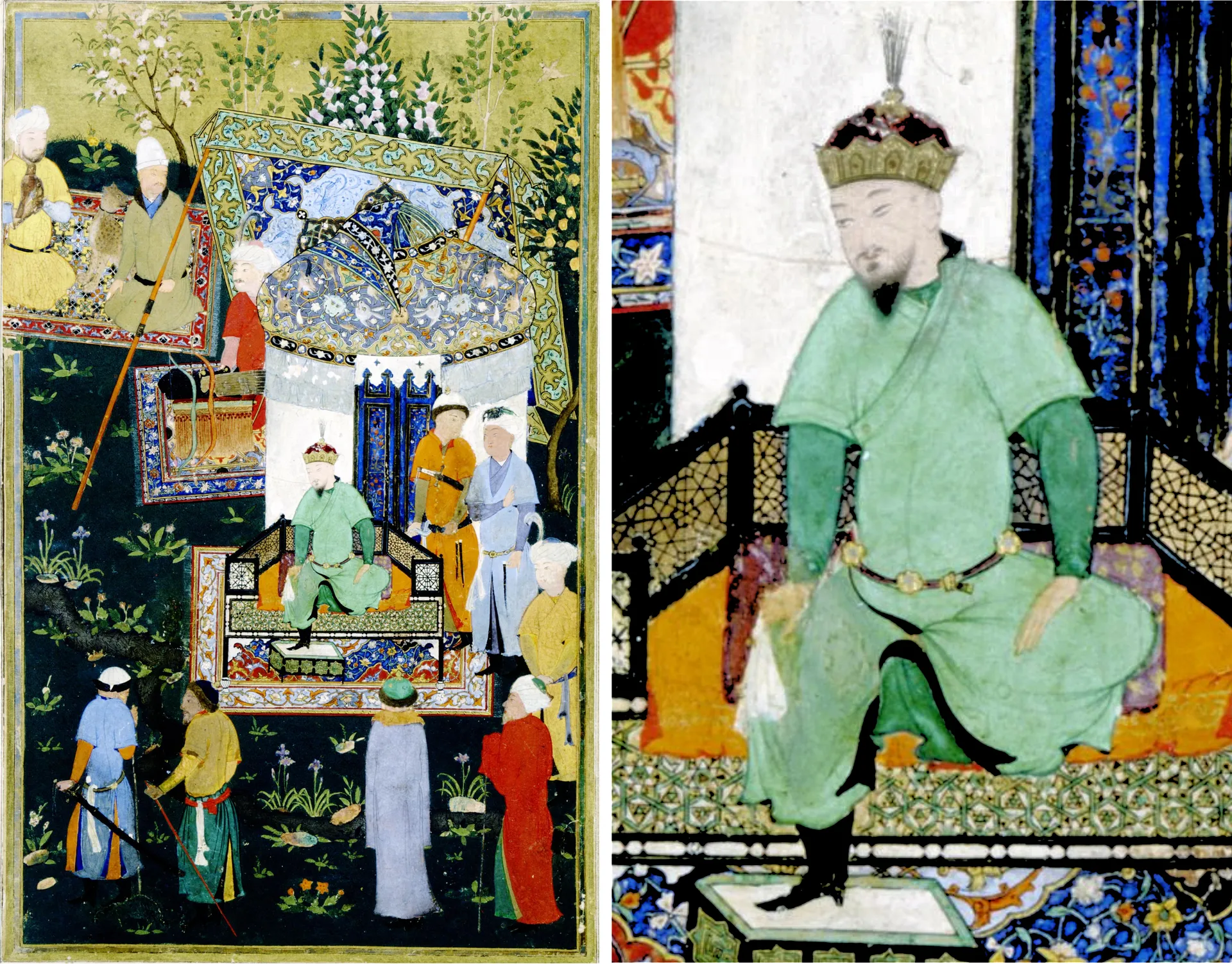
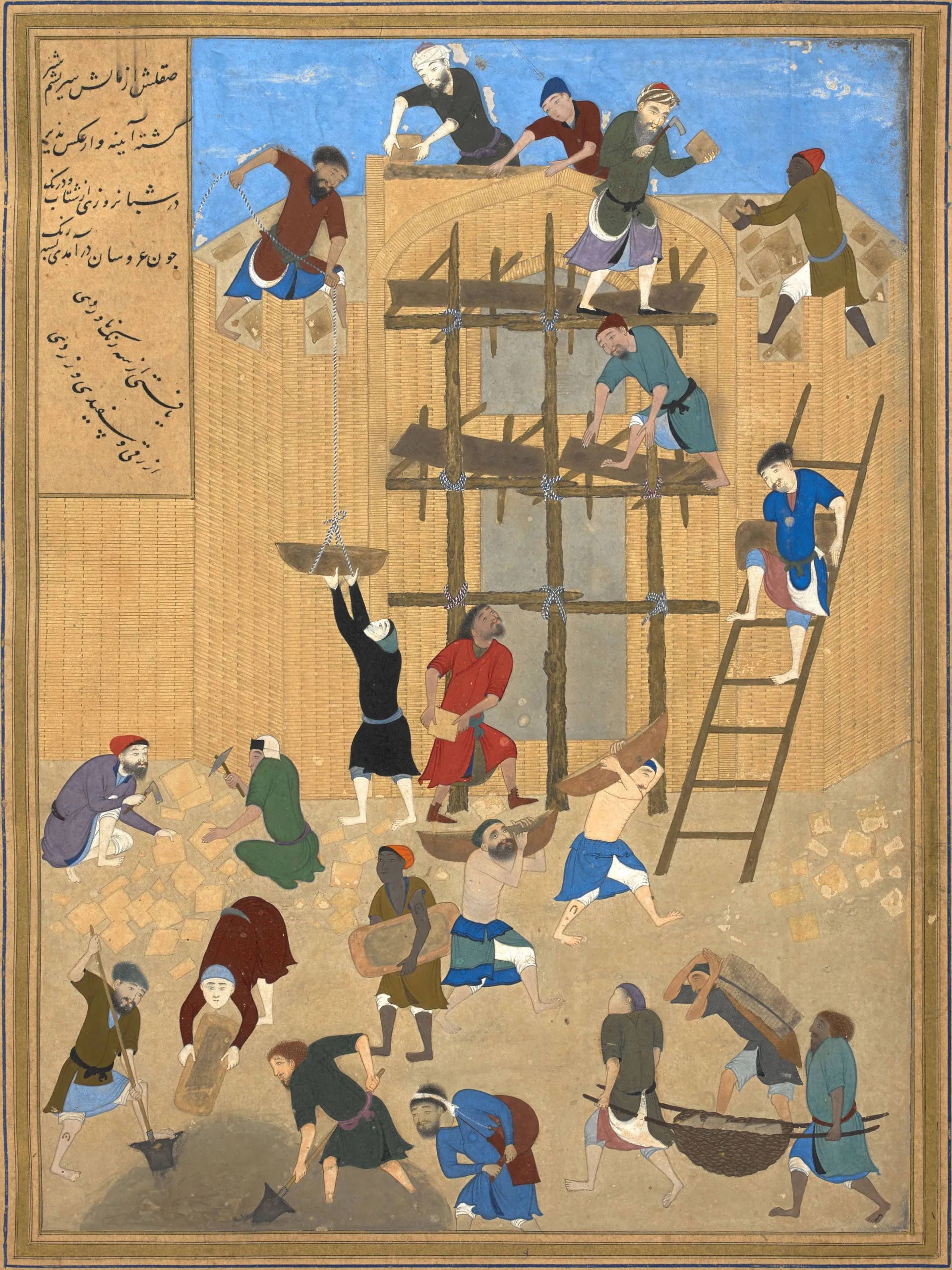
Timur's accession, a Timurid miniature
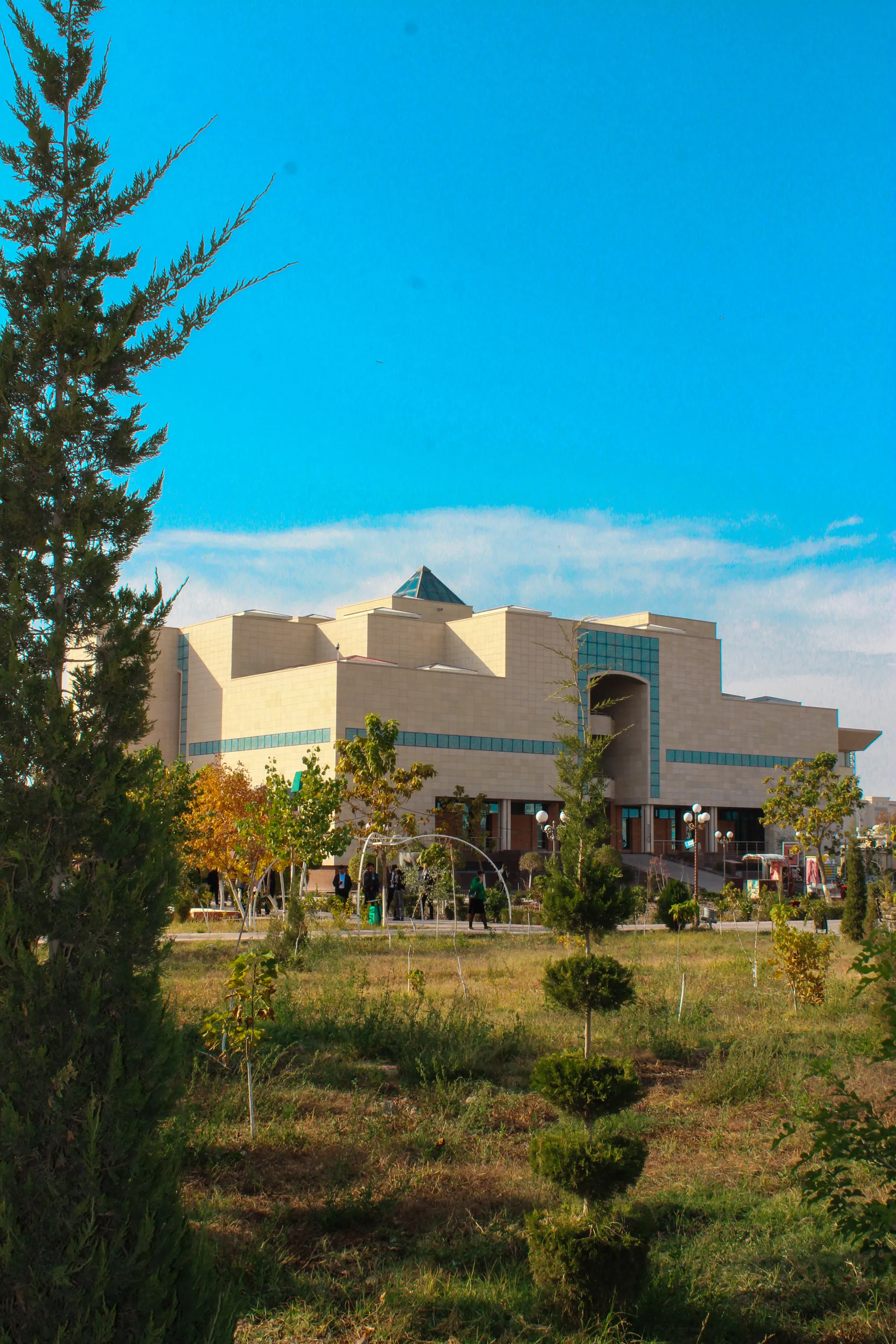
The Savitsky Museum, Nukus
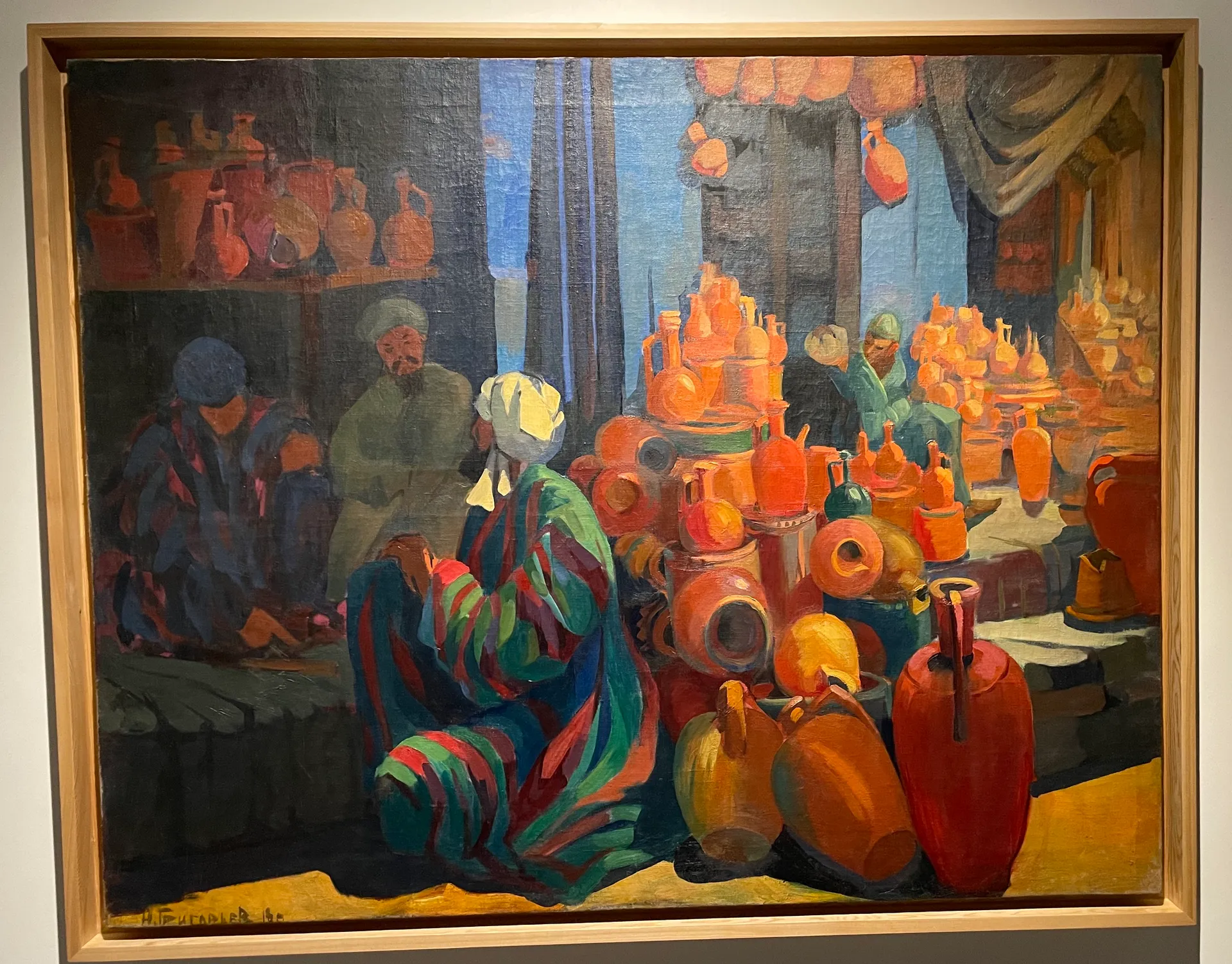
Market stalls in Samarkand, 1918
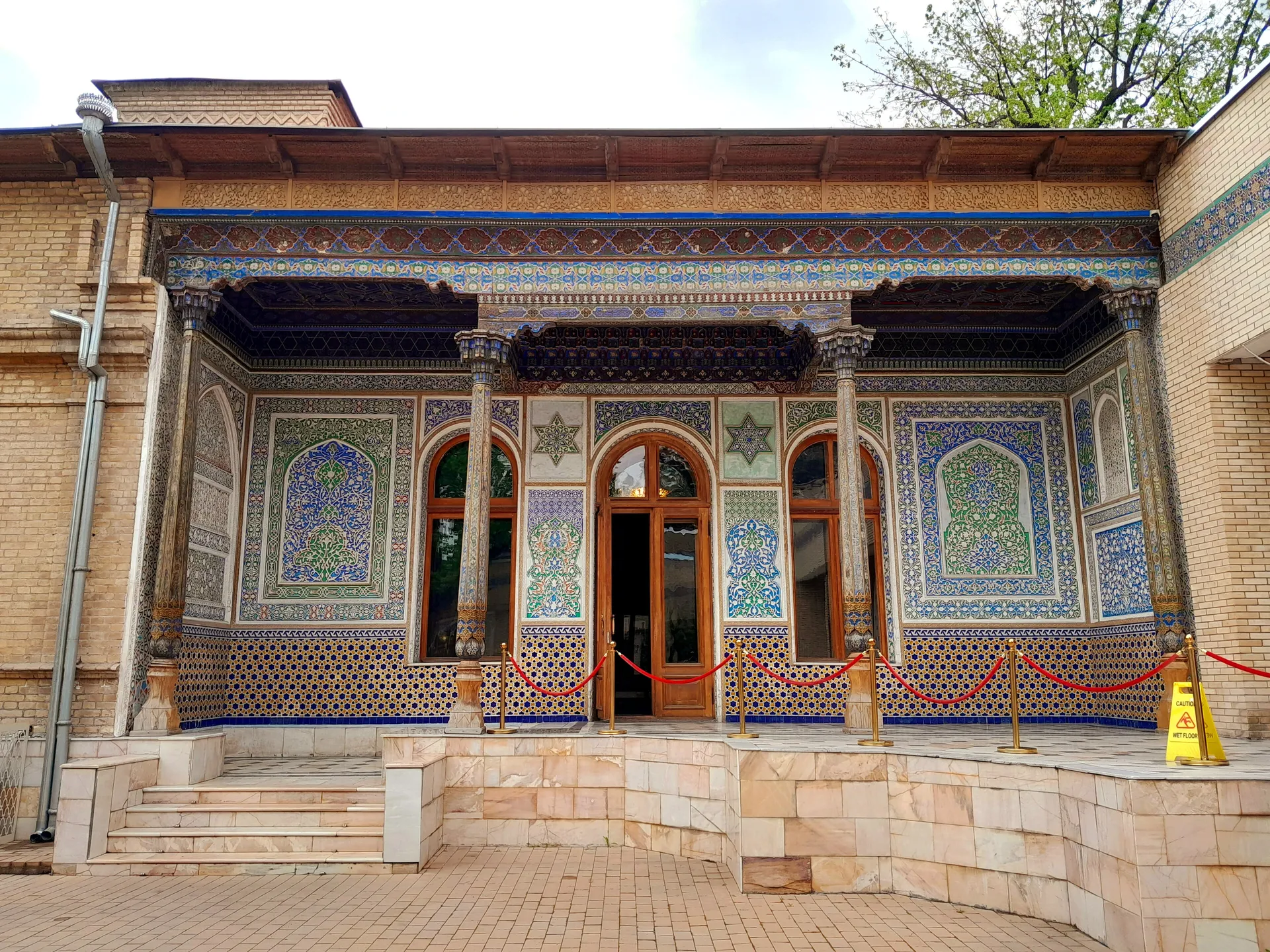
The Museum of Applied Arts, Tashkent
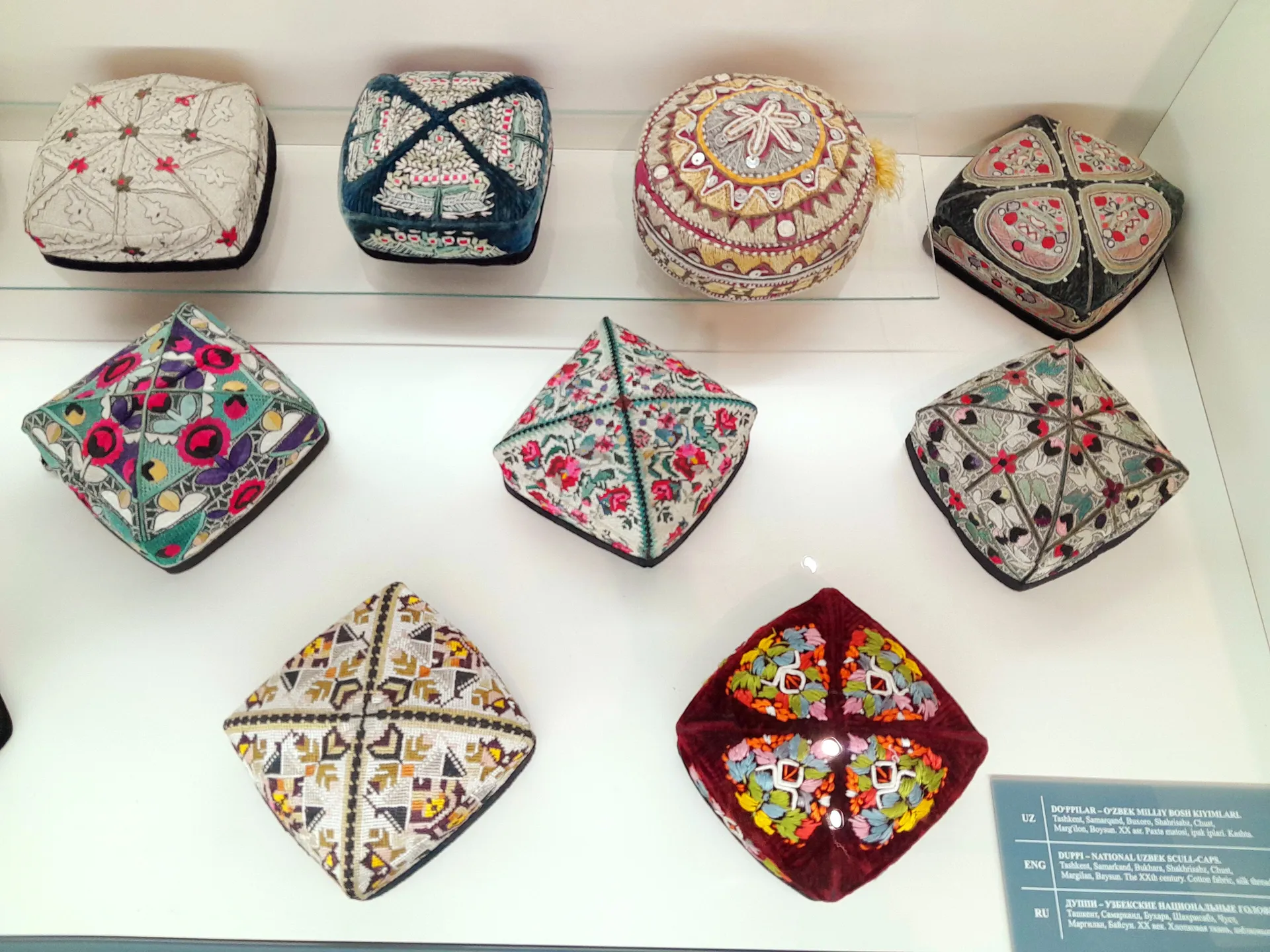
Doppi skullcaps
Words
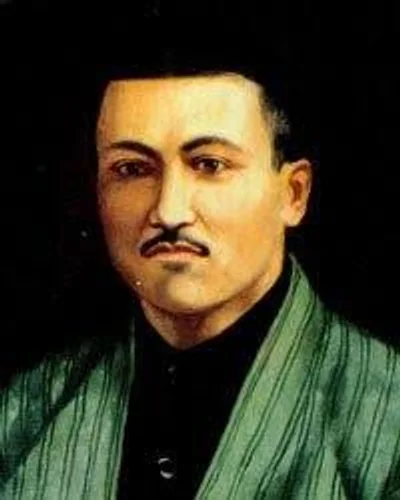
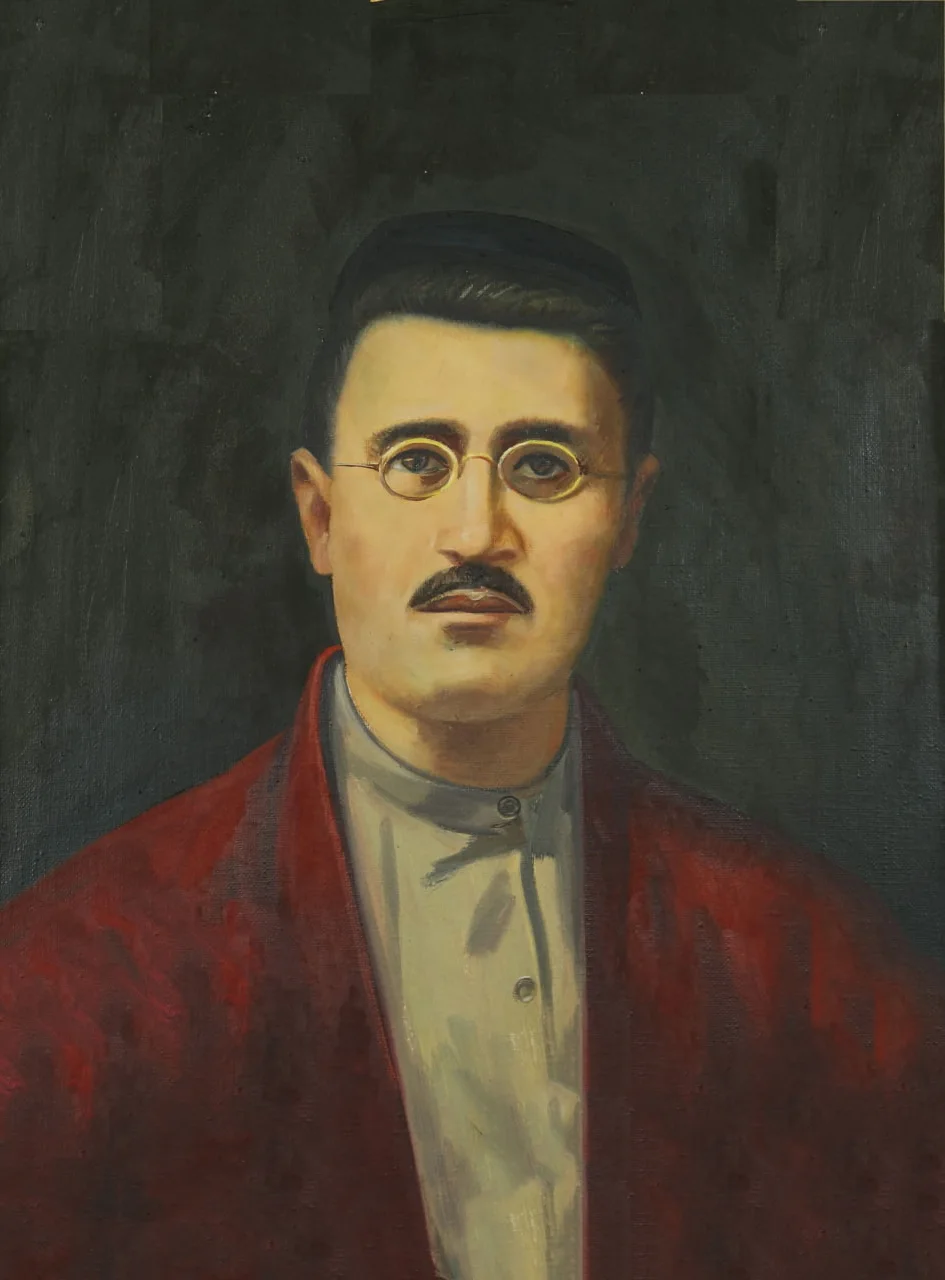
Navoi's Khamsa — five long narrative poems — answered the Persian classics on their own terms, and his Muhokamat al-Lughatayn ("Judgement of Two Languages") made the argument in prose. Babur's Baburnama, written a generation later, is something else entirely: a frank first-person memoir by a working king, unusual in world literature for how much he admits. In the twentieth century Abdulla Qodiriy's O'tkan kunlar established the Uzbek novel, and Cho'lpon's lyric poetry pulled the language toward the modern.
Sound and image
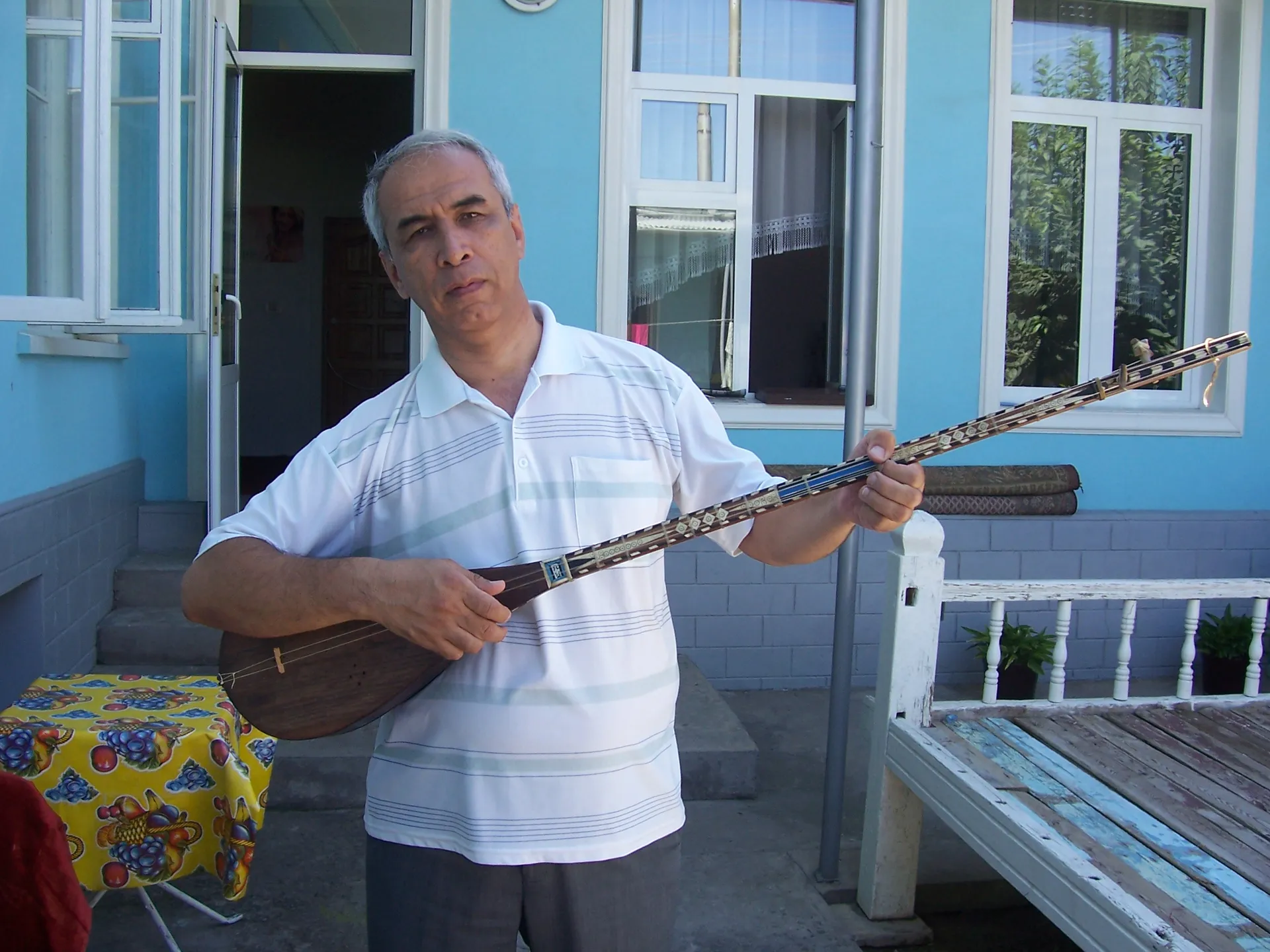
Shashmaqom — "six maqams" — is the classical court repertoire of Bukhara, a cycle of suites that takes years to learn and was added to UNESCO's lists in 2008. It is played on dutar, tanbur and doira. Separately, bakhshi epic singers recite Alpomish and other verse epics from memory, sometimes for hours. And in Nukus, far out in Karakalpakstan, Igor Savitsky assembled a museum of Soviet avant-garde painting that had been banned elsewhere — roughly 100,000 items, in the last place anyone would look.
Highlights
Navoi wrote Muhokamat al-Lughatayn specifically to argue that Turkic was the equal of Persian as a literary language
The Baburnama is among the earliest true autobiographies written in the Islamic world
Shashmaqom entered UNESCO's Intangible Cultural Heritage lists in 2008
The Savitsky Museum in Nukus holds one of the world's largest collections of Soviet avant-garde art